How Much Sunlight Do Yoshino cherry Need?
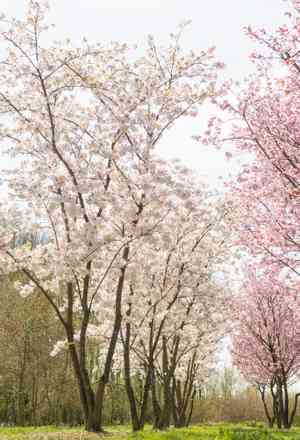
1
Yoshino cherry trees flourish optimally when receiving a minimum of 6 hours of unfiltered daylight daily.
2
They can endure some shaded conditions, though this might diminish the quality of their blossoms.
3
An illuminance meter is useful for precisely assessing the amount of light they receive.
Ideal Light Conditions for Yoshino Cherry
Full Sun vs. Partial Shade: Which is Optimal?
For growing a Yoshino cherry, the quantity of light it receives greatly affects its vitality and aesthetic appeal. These trees ideally prefer full sun, meaning they flourish best with a minimum of six hours of direct sunlight daily. Full sun encourages more vigorous development and an abundance of blossoms, making your tree a magnificent focal point in your garden.However, Yoshino cherry trees can also tolerate some partial shade. While this might be essential in particularly warm climates to prevent leaf burn, be aware that excessive shade can decrease the number of flowers and slow down the growth rate.
Daily Light Requirements
So, what daily light exposure does a Yoshino cherry require? The optimal range is at least six hours of direct sunlight. This exposure helps the tree generate the energy needed for growth and flower production. In colder regions, more than six hours of sunlight can be advantageous, whereas in warmer areas, you might need to strike a balance to shield the tree from extreme heat while still providing ample light.If you're planting a Yoshino cherry in your landscape, select a bright location with unhindered sun exposure for most of the day. This will ensure your tree obtains the light necessary for it to thrive.
Consequences of Insufficient Light on Yoshino Cherry
Typical Signs of Light Deficiency
Determining if your Yoshino cherry is not receiving enough sunlight is quite straightforward. Common indicators of light deprivation include pale or yellowing foliage, stunted development, and a sparse crown. The tree might appear weak and less vibrant.These symptoms indicate that the tree is not producing enough energy through photosynthesis, which can eventually lead to further health problems.
Impact on Flowering and Development
Insufficient sunlight can dramatically impact the blossoming and overall growth of a Yoshino cherry. Without adequate light, the tree may produce fewer flowers, resulting in a less impressive display in spring. Additionally, the growth rate could decrease, leading to a less dense and uneven canopy.Bloom quality is another concern. Flowers on trees in low-light conditions may be smaller and less colorful, diminishing the ornamental value of your tree. Ensuring your Yoshino cherry receives the correct amount of sunlight is vital for maintaining its beauty and health.
Monitoring and Adjusting Sunlight Exposure
Utilizing a Light Meter
If you are uncertain about the amount of sunlight your Yoshino cherry is receiving, a light meter can be a valuable aid. These tools measure the intensity of light in a specific area, providing you with precise data.Position the light meter at various points around the tree throughout the day to gain a comprehensive understanding of its light exposure. This information can help you make necessary alterations, such as relocating nearby plants or objects that might be casting too much shade.
Seasonal Light Adjustments
Sunlight patterns shift with the seasons, and it's crucial to adjust accordingly. During summer, when the sun is most intense, ensure the Yoshino cherry isn't exposed to strong afternoon sun, especially in hot climates. This might involve providing some partial shade.Conversely, during autumn and winter, ensure the tree gets as much sunlight as possible by removing any obstructing structures or pruning nearby plants. Managing the tree's exposure to changing light conditions can help maintain its health throughout the year.
Strategies for Maximizing Sunlight for Yoshino Cherry
Placement in the Garden
When planting a Yoshino cherry, appropriate positioning is essential. Select a spot in your garden that is open and receives the most sunlight throughout the day. Avoid planting too close to structures, walls, or large trees that can cast prolonged shadows.The southeast or southwest areas of your yard are often good choices as they typically receive the most sun. Planning your landscape with light exposure in mind can significantly enhance your Yoshino cherry's growth and bloom.
Pruning to Improve Light Penetration
Pruning is another effective method to ensure your Yoshino cherry gets sufficient sunlight. Regularly trim back any overgrown branches, especially those in the tree's interior, to allow more light to filter through the canopy.This not only helps all parts of the tree receive adequate sunlight but also promotes better air circulation, reducing the risk of fungal diseases. Make sure to prune during the dormant season to minimize stress on the tree.



