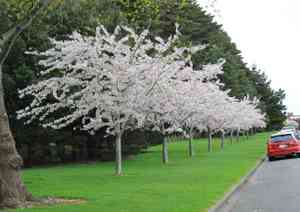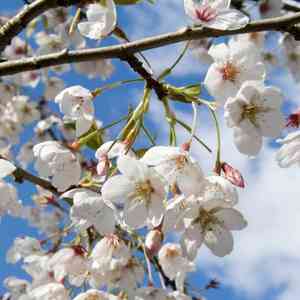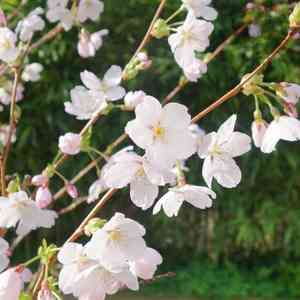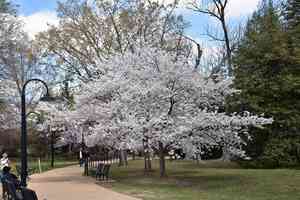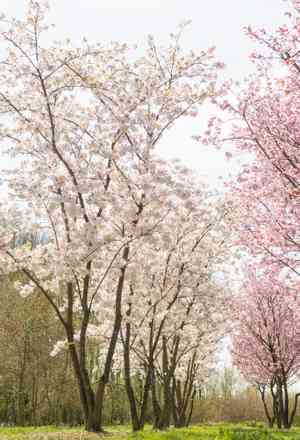
Yoshino cherry(Prunus × yedoensis)

Yoshino cherry (Prunus × yedoensis)

Also known as: Cherry blossom

The Yoshino cherry tree, native to Japan, is known for its distinctive white-pink blossoms and subtle almond-like scent. In 1912, these trees were famously gifted to the United States by the Tokyo government and now grace Washington D.C.

Attributes of Yoshino cherry

Lifespan
Perennial
Plant Type
Tree
Plant Height
12 m to 15 m
Spread
8 m to 12 m
Leaf Color
Yellow Green Orange
Flower Size
3 cm to 3.5 cm
Flower Color
White Pink

ForwardPlant - Identify plants with a snap

Identify and diagnose plants, get toxicity alerts, and explore safety guides for all types of fungi.

Try for Free

Images of Yoshino cherry

Yoshino cherry(Prunus × yedoensis)

Quickly Identify Yoshino cherry

1
Look for the tree's characteristic smooth grey bark, dark green serrated leaves, and prominent clusters of pale pink to white flowers in the spring. The flowers are typically five-petaled and fragrant.

Scientific Classification of Yoshino cherry

Phylum
Vascular plants
Class
Dicotyledons
Order
Roses, elms, figs, and allies
Family
Rose
Genus
Prunus
Species
Yoshino cherry

Planting and Growing of Yoshino cherry

Care Difficulty
Easy
Watering Schedule
Every 2 days
Sunlight Requirements
Full sun
Sunshine Duration
4-6 hours
Ideal Temperature
59-68℉
Soil Type
Potting Mix, Peat Mix
Soil pH
6.5-7.5
Fertilizer Type
Balanced
Pruning Season
Spring, Summer
Pruning Area
Branches, Leaves
Pruning Frequency
2 times a year
Repotting Season
Spring
Pot Type
Plastic, Ceramic

water icon How to Water Yoshino cherry?

The ideal amount of water for Prunus × yedoensis is around 300 milliliters per watering. Water thoroughly until the soil is evenly moist but not soggy. Ensure that excess water drains out to avoid waterlogging.
What are the symptoms of an underwatered Yoshino cherry?
What should I do if my Yoshino cherry is not getting enough water?
What are the symptoms of an overwatered Yoshino cherry?
How to save an overwatered Yoshino cherry?

sunlight icon What Are the Sunlight Requirements for Yoshino cherry?

Sunlight Requirements: Full sun, Partial sun
Duration of light: Six to eight hours daily
Prunus × yedoensis luxuriates in full sun to partial sun conditions. Adequate sunlight energizes the plant's photosynthesis process, enhancing its growth rate and boosting flower production for a more vibrant display.
Best time for sun exposure
Partial shade benefits
Seasonal adjustments
More About Sunlight Requirements Techniques

temperature icon What Is the Ideal Temperature Range for Yoshino cherry?

Ideal Temperature: 59 ~ 68℉
The ideal temperature range for Prunus × yedoensis, commonly known as the Yoshino cherry, is between 59°F and 68°F. This temperature range supports optimal flowering and growth conditions, providing the plant with a suitable environment for nutrient uptake and cellular processes. A stable temperature within this range can help minimize stress and enhance the overall health of the plant.

soil icon What Soil is Best for Yoshino cherry?

Soil type: Loam, Sandy loam
Soil PH: 6.5 ~ 7.5
Prunus × yedoensis thrives in soil that drains well, preventing standing water which can lead to root rot. This soil characteristic ensures that the tree receives adequate moisture without waterlogging, which is critical for its growth and flowering. While it is not overly demanding, Prunus × yedoensis favors soil that is moderately rich in organic matter. This supports healthy growth by providing essential nutrients, thus contributing to lush foliage and prolific blooms. The optimal soil for Prunus × yedoensis is consistently moist yet not overly wet. This balance is crucial for maintaining the plant’s vigor, ensuring that it neither dries out nor becomes waterlogged, both of which can impede growth.

fertilize icon How to Fertilize Yoshino cherry?

Fertilizer type: Balanced
For Prunus × yedoensis, use approximately half a cup (about 120 ml) of balanced fertilizer per plant. In the case of liquid fertilizers, dilute to half the strength recommended by the manufacturer to avoid over-fertilization. The amount can vary slightly depending on soil quality and climate conditions, so regular monitoring is recommended.

prune icon How to Prune Yoshino cherry?

Pruning Time: Spring, Summer
Begin by removing any suckers or basal shoots at the base of the tree. These can divert energy away from the main branches. Trim back any crossing or rubbing branches to promote an open structure. Thinning the canopy involves selectively removing branches to allow air circulation and light penetration. It prevents disease and encourages a more robust blooming period. Focus on removing excess branches without affecting the shape. More About Pruning Techniques

propagate icon How to Propagate Yoshino cherry plant?

Propagate Time: Spring, Early spring
1
Choose a healthy and disease-free parent plant from which to take cuttings. This ensures that the new plants will have the best chance of growth and will not inherit any diseases.
2
Use clean pruning shears to cut 6-8 inch sections of healthy branches with several leaf nodes. Cuttings should be taken from the current year's growth for the highest success rate.
3
Dip the cut end of each cutting into rooting hormone and plant them in a potting mix. Keep the medium moist and provide indirect sunlight until the roots establish.
More About Propagating Techniques

repot icon How to Repot Yoshino cherry plant?

Repotting frequency: Every 2-3 years
1
Yoshino cherry trees, Prunus × yedoensis, should be repotted when roots begin to circle the root ball or emerge through the drainage holes. Another signal is reduced growth, which indicates the plant is searching for more nutrients. Repotting in the recommended seasons helps prevent shocking the plant, as these periods allow for better recovery and acclimatization.
2
Opt for a pot that provides one to two inches of additional space around the current root ball. A pot with good drainage is essential to prevent waterlogging, which can lead to root rot. The material can vary based on preference, but consider going for clay or ceramic pots as they provide stability and contribute to evaporation, maintaining an optimal soil environment.
3
Use a well-draining, loamy soil mix enriched with organic matter. This choice is critical to balance moisture retention and drainage while providing necessary nutrients. The loamy consistency supports root health and overall tree vitality, encouraging healthy growth and blossom production.

ForwardPlant - Identify plants with a snap

Find the best spots for them to optimize their health, simply using your phone.

Try for Free

Toxicity of Yoshino cherry

Is Yoshino cherry toxic to humans?

The Yoshino cherry presents a moderate risk of toxicity to humans, mainly through ingestion. This plant contains cyanide, a highly potent toxin that can result in severe health consequences. Nearly all parts of the Yoshino cherry are toxic, except for the ripe flesh, which is safe to consume. If any toxic portion of the plant is ingested, it may lead to symptoms such as difficulty breathing, dizziness, headaches, and potentially even fatal respiratory failure. It is essential to prevent accidental consumption of the non-edible parts of the Yoshino cherry, as even minute quantities can lead to poisoning. People should be informed about the hazards linked to the Yoshino cherry and should take precautions to avoid unintentional ingestion, particularly in areas where this plant grows.

Is Yoshino cherry toxic to cat?

The Yoshino cherry exhibits a moderate degree of toxicity to cats and may result in poisoning if accidentally ingested. Except for the ripe flesh, the entire plant encompasses toxic components that are dangerous for felines. Should a cat ingest any portion of the Yoshino cherry, it might display signs of physical distress. The harmful reactions stem from cyanide, a toxic compound found within the plant. In instances of suspected poisoning, it is crucial to swiftly obtain professional veterinary assistance to safeguard the pet's well-being.

Is Yoshino cherry toxic to dog?

The yoshino cherry plant species is recognized for its moderate toxicity levels affecting dogs. Accidental consumption of any portion of this plant can result in poisoning in dogs. The toxic components include the entire plant, excluding only the ripe flesh. Ingesting these parts may cause various symptoms, such as struggles with breathing, profuse drooling, stomach pain, and possibly seizures, attributed to the cyanide present in the plant's tissues. Should a dog display any indicators of poisoning following exposure to the yoshino cherry, it is crucial to obtain urgent veterinary attention to safeguard their health and safety.

Identify toxic plants for your safety

Learn which plants are harmful to you and your pets, and make informed choices for a safer home!

Try for Free
WARNING
The judgment on toxicity and danger is for reference only. We DO NOT GUARANTEE any accuracy of such judgment. Therefore, you SHALL NOT rely on such judgment. It is IMPORTANT TO SEEK PROFESSIONAL ADVICE in advance when necessary.
More About Toxic Techniques