How to Transplant Alpine primrose?
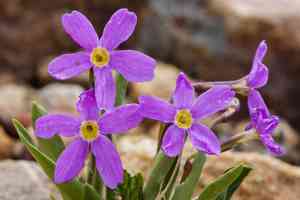
The optimal period for relocating alpine primrose is during the refreshing onset of early to mid-spring, given its preference for areas with good drainage and partial shade. This schedule guarantees reduced shock, allowing your perennial to prosper in its new environment with ease.
What Preparations are Needed Before Transplanting Alpine Primrose?
What is the Ideal Time for Transplanting Alpine Primrose?
The best time to move alpine primrose is in early to mid-spring, when the ground is damp and temperatures are moderate. This timing allows the plant to establish itself before summer heat and aligns with its natural growth cycle. Transplanting then promotes root development, leading to a healthier, more robust plant.
How Much Space Should You Leave Between Alpine Primrose Plants?
Alpine primrose should be spaced approximately 6-12 inches (15-30 cm) apart to provide adequate room for development and air circulation. This spacing helps prevent diseases and ensures each plant receives sufficient resources to flourish.
What is the Best Soil Mix for Alpine Primrose Transplanting?
Prepare the soil by ensuring it drains well, is fertile, and slightly acidic. Mix in organic matter or compost to enhance nutrient content. A balanced base fertilizer will give alpine primrose a strong start.
Where Should You Relocate Your Alpine Primrose?
Alpine primrose thrives best in a spot that gets full sun to partial shade. Make sure the chosen location receives about 4-6 hours of sunlight daily to maintain the plant's health and encourage good blooming.
What Equipments Should You Prepare Before Transplantation Alpine Primrose?
Gardening Gloves
To protect your hands while handling soil and plants.
Spade or Shovel
For digging up and lifting the plant from its original spot.
Watering Can or Hose
To water the plant before and after moving it.
Trowel
Useful for excavating smaller holes in the new planting area.
Garden Fork
To gently loosen the soil surrounding the plant.
Bucket or Container
For transporting the plant if necessary.
How Do You Remove Alpine Primrose from the Soil?
How Do You Remove Alpine Primrose from the Soil?
From Ground: First, water the alpine primrose plant to moisten the soil. Then, dig a wide trench around the plant using a shovel or spade, making sure the plant's root ball stays intact. Carefully work the spade beneath the root ball to lift the plant from its original location.From Pot: Water the alpine primrose plant thoroughly. Gently tap the sides of the pot to loosen the soil. Carefully invert the pot while supporting the plant with your other hand and slide the plant out.From Seedling Tray: Water the alpine primrose seedlings lightly. Use a trowel or your fingers to gently lift each seedling, ensuring you take as much of the root system as possible. Be careful not to harm the delicate roots.
Step-by-Step Guide for Transplanting Alpine Primrose
Prepration
Water the alpine primrose plant in its current location the day before transplanting to ensure the soil is damp.
Digging Hole
In the new planting area, dig a hole that is twice as wide and the same depth as the alpine primrose plant's root ball.
Adding Compost
Mix some organic compost into the excavated soil to enrich it and help the plant establish quickly.
Placing Plant
Place the alpine primrose plant in the new hole, ensuring it is at the same depth as it was in its original location. The top of the root ball should be level with the surrounding soil.
Backfilling Soil
Refill the hole with the enriched soil, pressing down gently to eliminate air pockets.
Watering In
Water the alpine primrose plant deeply after transplanting to help settle the soil around the roots.
How Do You Care For Alpine Primrose After Transplanting?
Watering
Keep the soil around the alpine primrose consistently moist, but not waterlogged, for the initial few weeks post-transplant to aid in strong root establishment.
Mulching
Apply a layer of mulch around the base of the alpine primrose plant to help retain soil moisture and regulate temperature.
Monitoring
Observe for signs of transplant shock, such as wilting or yellowing leaves, and provide additional care if necessary.
Protection
If transplanting during warmer months, consider providing some shade to help the alpine primrose adapt to its new environment.
Troubleshooting Common Issues with Alpine Primrose Transplantation.
When is the best time to transplant alpine primrose?
The ideal period for transplanting alpine primrose is early to mid-spring when the weather is mild.
How much space should be between alpine primrose plants?
Ensure a spacing of 6-12 inches (15-30 cm) between alpine primrose plants for optimal growth.
How do I prepare the soil for alpine primrose transplanting?
Enrich the soil with organic matter and ensure it is well-draining to support alpine primrose roots.
What should I do if alpine primrose wilts after transplanting?
Wilted alpine primrose? Water deeply and provide shade to help the plant recover from transplant shock.
How much water does alpine primrose need after transplanting?
Water alpine primrose thoroughly but avoid overwatering. Keep the soil consistently moist, not soggy.
What type of light is best for transplanted alpine primrose?
Alpine primrose thrives in partial shade, so avoid direct, scorching sunlight immediately after transplanting.
How can I prevent leaf burn on newly transplanted alpine primrose?
Providing partial shade and avoiding excessive sun exposure will prevent leaf burn on alpine primrose.
Is mulching necessary for newly transplanted alpine primrose?
Yes, mulching around alpine primrose retains soil moisture and regulates temperature, aiding in the settling in process.
How do I know if alpine primrose is successfully transplanted?
Look for new growth and healthy foliage within a few weeks to ensure successful alpine primrose transplanting.
What should I avoid when transplanting alpine primrose?
Avoid transplanting alpine primrose during extreme temperatures or drought conditions to minimize stress on the plant.



