How to Prune Alpine primrose?
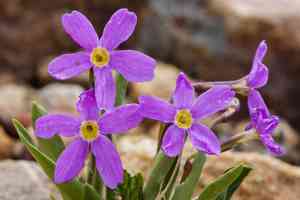
Alpine primrose is a small, resilient perennial recognized for its vivid, early-season blossoms. The ideal period for trimming is from late winter to early spring, coinciding with its natural development. Eliminate any withered or compromised leaves to foster robust growth and improve air movement. Deadhead faded flowers to extend the blooming period. Consistent trimming boosts vigor and encourages a denser, more robust specimen. Always employ sanitized, sharp implements to avert illness and guarantee precise incisions.
What Are the Benefits of Pruning Alpine Primrose?
What Are the Benefits of Pruning Alpine Primrose?
Trimming alpine primrose offers advantages such as fostering robust development, preserving its form, enhancing bloom production, and boosting resistance to pests and illnesses. Consistent trimming promotes vigorous growth and manages size, ensuring the plant remains manageable and visually appealing.
What Is the Best Time for Pruning Alpine Primrose?
What Is the Best Time for Pruning Alpine Primrose?
The optimal time for pruning alpine primrose is in early spring or late winter, prior to its active growth period. During this phase, alpine primrose is still dormant, which minimizes stress and aids in quicker recovery. Pruning before new growth emerges also encourages a more robust and prolific blooming season. Furthermore, trimming at these times reduces the chance of exposing fresh cuts to pests or harsh weather, which can occur at other points in the year.
What Tools Do I Need to Prune Alpine Primrose?
Bypass Pruners
Ideal for deadheading and minor trimming, bypass pruners enable precise cuts on the delicate stems of alpine primrose. Their sharp, scissor-like blades ensure clean cuts that minimize harm to living tissue.
Snips
Perfect for detailed and intricate trimming tasks, such as removing spent blooms or dead leaves on alpine primrose. Snips offer greater control for fine adjustments.
Pruning Shears
Useful for slightly thicker stems, pruning shears help maintain the overall shape and health of alpine primrose by making clean cuts that prevent disease.
Pruning Knife
A pruning knife can be useful for cutting back old growth and for revitalizing the plant. Its sharp blade ensures precise cuts on small, tender stems.
How to Prune Alpine Primrose
Inspect
Start by carefully examining alpine primrose for any indications of diseased or withered foliage. Ensure adequate lighting to clearly identify affected areas.
Sanitize
Before proceeding, disinfect pruning tools with a solution of one part bleach to nine parts water to prevent the spread of disease.
Remove Diseased Leaves
Use sharp, sanitized scissors or pruning shears to cut off any diseased leaves at their base. Ensure to cut into healthy tissue, leaving no stubs.
Remove Withered Leaves
Carefully trim away any withered leaves, making clean cuts close to the stem without damaging healthy parts of the plant.
Dispose
Responsibly dispose of the removed diseased and withered leaves, ideally in a sealed bag to prevent spreading disease to other plants.
Common Pruning Mistakes with Alpine Primrose
Improper Technique
A frequent error is using incorrect tools or cutting at an improper angle. Dull or unsuitable tools can harm the plant, making it vulnerable to disease.
Over-pruning
Removing too much foliage can stress alpine primrose and hinder its growth and flowering. It's important to prune sparingly to maintain its health and vitality.
Pruning at the Wrong Time
While not focusing on the season here, it's crucial to avoid pruning during the plant's active growth phase, as this can reduce blooming and lead to plant stress.
Removing Healthy Growth
Gardeners often mistakenly remove healthy leaves and stems, believing them to be excess. Keeping healthy foliage ensures the plant has enough energy for photosynthesis and growth.
Ignoring Hygiene
Failing to disinfect pruning tools between cuts can spread diseases from one plant to another. Always clean your tools to prevent this.
Common Pruning Tips for Alpine Primrose
Use Sharp, Clean Tools
Always use sharp and sterilized tools to make clean cuts, which heal faster and reduce the risk of disease.
Prune Lightly
Only remove damaged, dead, or diseased parts of alpine primrose. Light pruning encourages air circulation and light penetration, which helps the plant stay healthy.
Identify the Right Parts
Focus on removing old flower stems and browning leaf edges. This helps redirect the plant's energy towards producing new flowers and fresh growth.
Cut at an Angle
Make cuts at a 45-degree angle away from the bud or main stem. This angle helps prevent water from collecting on the cut surface, which can lead to rot.
Disinfect Tools Regularly
Dip your pruning shears in a solution of one part bleach to nine parts water between cuts to prevent the spread of disease.



