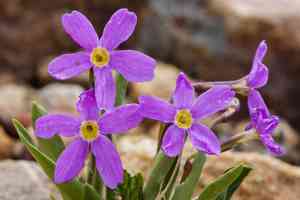
Alpine primrose (Primula angustifolia)
Also known as: Narrow-leaved Primrose, Narrowleaf Primrose
The Alpine primrose (Primula alpinа) is a resilient perennial characterized by its compact rosettes of oval, slightly toothed leaves. Adapted to alpine and subalpine environments, it thrives in well-drained, rocky soils with partial shade. Unlike some other primroses, its flowers are typically pink to purple, blooming predominantly from late spring to early summer (May to July). This plant's hardy, low-growing form helps it endure the challenging conditions of high altitudes, making it a unique member of its genus.
In This Article
Attributes of Alpine primrose
Lifespan
Perennial
Plant Type
Herb
Plant Height
0 mm to 30 cm
Spread
N/A (typically forms clumps rather than a defined crown)
Leaf Color
Green
Flower Size
1-2 cm
Flower Color
Pink, Purple
Images of Alpine primrose
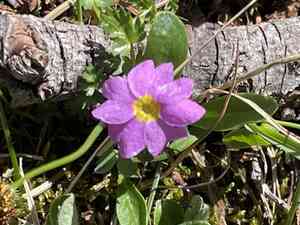
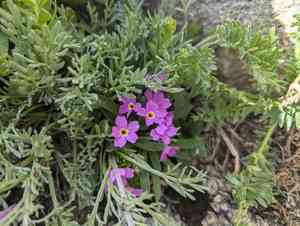
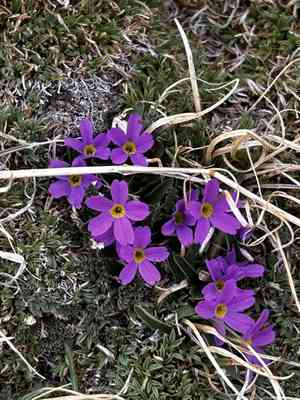
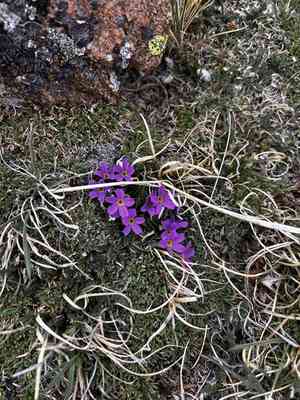
Quickly Identify Alpine primrose
1
Identify Primula angustifolia by its narrow, lanceolate leaves and clusters of bell-shaped flowers. The flowers typically appear in spring and are usually pink to purple in color. The plant is relatively low-growing and often found in alpine environments.
Scientific Classification of Alpine primrose
Phylum
Vascular plants
Class
Dicotyledons
Order
Ericales
Family
Primrose
Genus
Primroses
Species
Alpine primrose
Planting and Growing of Alpine primrose
Care Difficulty
Moderate
Watering Schedule
Every 2 days
Sunlight Requirements
Partial sun
Sunshine Duration
4-8 hours
Ideal Temperature
50-65℉
Soil Type
Potting Mix, Peat Mix
Soil pH
6.5-7.5
Fertilizer Type
Balanced
Pruning Season
Spring, Summer
Pruning Area
Branches, Leaves
Pruning Frequency
2 times a year
Repotting Season
Spring
Pot Type
Plastic, Ceramic
 How to Water Alpine primrose?
For Primula angustifolia, watering should be sufficient to keep the soil moist but not waterlogged. It is crucial to pour 200 ml each time, ensuring that the water reaches deep into the soil, encouraging healthy root growth while avoiding excess water accumulation.
What are the symptoms of an underwatered Alpine primrose?
›
What should I do if my Alpine primrose is not getting enough water?
›
What are the symptoms of an overwatered Alpine primrose?
›
How to save an overwatered Alpine primrose?
›
 What Are the Sunlight Requirements for Alpine primrose?
Primula angustifolia prefers partial to full sun exposure. Ideal light promotes lush growth and prolific blooming, ensuring the plant maintains its ornamental appeal and optimal health.
What is the best light condition?
›
How to ensure the plant gets ideal lighting?
›
Benefits of ideal lighting?
›
 What Is the Ideal Temperature Range for Alpine primrose?
Primula angustifolia thrives best in a controlled temperature environment between 50 to 65°F. This range accommodates its physiological processes optimally, enhancing growth and blooming conditions. Maintaining this temperature range can simulate its natural alpine conditions, providing the necessary balance for photosynthesis and respiration.
 What Soil is Best for Alpine primrose?
Primula angustifolia thrives in well-drained soil that prevents waterlogging and ensures adequate air circulation around the roots. This characteristic is crucial as it helps the plant to avoid root rot, which can be detrimental to its health. To flourish, this plant prefers soil that is moderately fertile. The presence of essential nutrients like nitrogen, phosphorus, and potassium in the soil aids in robust growth and vibrant blooms, bolstering the plant's overall vitality. While well-drained, Primula angustifolia's soil should have good moisture retention properties. This ensures the plant remains hydrated without being saturated, allowing it to maintain its lush appearance even during dry spells.
 How to Fertilize Alpine primrose?
For Primula angustifolia, it is recommended to use a balanced fertilizer with a low nitrogen content. Apply liquid fertilizer at a dilution rate of 1/4 teaspoon per gallon of water to prevent over-fertilization. Each plant should receive about half a cup of this solution during each application.
 How to Prune Alpine primrose?
Start by inspecting your Primula angustifolia for any dead or damaged foliage. Use sharp, clean scissors or garden shears to trim away these unwanted parts. Focus on old bloom stalks to encourage new growth. Cut at a 45-degree angle just above a leaf node to promote fast recovery. Make sure to remove any spent flowers to prolong flowering time.
More About Pruning Techniques→
 How to Propagate Alpine primrose plant?
1
Begin by cleaning and drying seeds before sowing. They may require cold stratification, so consider chilling them in a refrigerator for several weeks to mimic natural winter conditions.
2
Sow the seeds thinly on the surface of a seed-starting mix. Do not cover them, as primulas need light to germinate. Keep the mix moist but not waterlogged.
3
During early spring or late summer, dig up mature plants once they become large enough. Carefully separate the root clumps using your hands or a sharp knife, ensuring each division has roots and shoots.
 How to Repot Alpine primrose plant?
1
You should consider repotting Primula angustifolia when you notice roots creeping out of the drainage holes or the plant significantly outgrowing its current pot. Another sign is if the soil becomes compacted and does not retain moisture well. Spring is the best season for repotting to ensure optimal recovery and growth.
2
Select a pot that is one size larger than the current one, with excellent drainage to prevent root rot. Ensure the pot's material suits your environment; terracotta pots can help regulate moisture and provide roots with a breathable environment, reducing the risk of overwatering.
3
Opt for a well-draining soil mix, such as a blend of peat, perlite, and sand. This ensures that the roots get adequate aeration and the soil does not retain excessive moisture, safeguarding your plant against root rot while providing a stable environment for growth.
Learn More About Alpine primrose Diseases
Anthracnose
Bacterial Leaf Spot
Bacterial Soft Rot
Bacterial Wilt
Damping-off
Downy Mildew
Drought Stress
Fusarium Wilt
Gray Mold
Leaf Spot
Mosaic
Nutrient Deficiency
Nutrient Toxicity
Powdery Mildew
Root Rot
Root-knot Nematode
Rusts
Sooty Mold
Spider Mites
Temperature Stress
Thrips Damage
White Mold



