How to Transplant Prairie burnet?
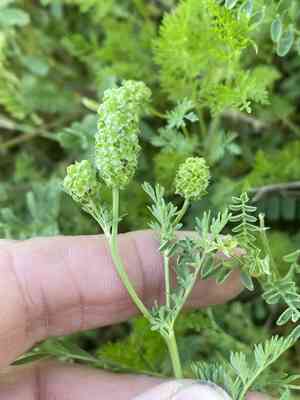
Prairie burnet flourishes when relocated during the vibrant spring season, as this period offers ideal circumstances for root development. Select a sunny spot with good drainage for optimal outcomes. Provide a moderate amount of water and refrain from excessive disturbance to foster robust growth.
What Preparations are Needed Before Transplanting Prairie Burnet?
What is the Ideal Time for Transplanting Prairie Burnet?
Prairie burnet, both an annual and perennial, flourishes when moved in early to mid-spring. This timing allows for optimal root development prior to summer heat, supporting vigorous growth and flowering. The mild temperatures and increased soil moisture in spring offer perfect conditions for successful relocation, enhancing overall plant vitality and resilience.
How Much Space Should You Leave Between Prairie Burnet Plants?
Before relocating prairie burnet, ensure a gap of 12-18 inches (30-45 cm) between each plant. This spacing will help the plants grow healthily without competing for resources.
What is the Best Soil Mix for Prairie Burnet Transplanting?
Prepare well-draining soil mixed with a base fertilizer rich in organic matter for prairie burnet. A balanced, all-purpose fertilizer will do wonders, ensuring the soil is nutrient-rich for optimal growth.
Where Should You Relocate Your Prairie Burnet?
Select a sunny location for moving prairie burnet. This plant thrives in full sunlight, requiring at least 6 hours of direct sun daily for healthy development.
What Equipments Should You Prepare Before Transplantation Prairie Burnet?
Gardening Gloves
To shield your hands while handling soil and plants.
Shovel or Spade
For digging and preparing the new planting spot, as well as for extracting the plant from its original location.
Trowel
Useful for smaller digging tasks and working around the plant's roots.
Garden Hose or Watering Can
To hydrate the plant before removal and after replanting.
Secateurs or Pruning Shears
To trim any damaged roots or stems.
Wheelbarrow or Large Container
For moving the plant if it's being relocated a significant distance.
How Do You Remove Prairie Burnet from the Soil?
How Do You Remove Prairie Burnet from the Soil?
From Ground: First, water the prairie burnet plant to moisten the soil. Then, dig a wide trench around the plant using a shovel or spade, ensuring the plant's root ball remains intact. Carefully work the spade under the root ball to lift the plant from its original location.From Pot: Gently squeeze the sides of the pot to loosen the soil and roots. Turn the pot upside down, supporting the plant's stem with your other hand, and carefully slide the plant out. If the plant is root-bound, you may need to gently tease the roots loose.From Seedling Tray: Use a trowel or small scoop to gently lift the plant from the seedling tray. Be careful to keep as much of the root system intact as possible. If the roots are intertwined with others, gently untangle them.
Step-by-Step Guide for Transplanting Prairie Burnet
Site Preparation
Choose a new planting spot with suitable conditions for prairie burnet and clear any weeds or debris. Dig a hole that is twice as wide and slightly deeper than the plant's root ball.
Plant Inspection
Examine the prairie burnet plant for any damaged or diseased roots and trim them with secateurs if necessary. This promotes healthy growth in the new location.
Transplanting the Plant
Place the prairie burnet plant in the prepared hole, ensuring it sits at the same depth as it was in its original location. Fill the hole with soil, firming it gently around the base of the plant.
Watering After Transplanting
Water the plant thoroughly right after transplanting to help settle the soil around the roots. Ensure the soil is moist but not waterlogged.
How Do You Care For Prairie Burnet After Transplanting?
Watering
Keep the soil around the prairie burnet consistently moist, but not soggy, for the first few weeks after transplanting to help establish strong roots.
Mulching
Apply a layer of mulch around the base of the plant to retain moisture and regulate soil temperature.
Monitoring
Regularly check the prairie burnet plant for signs of stress, such as wilting or yellowing leaves, and adjust care as necessary.
Weed Control
Keep the area around the prairie burnet plant free of weeds to reduce competition for nutrients and water.
Troubleshooting Common Issues with Prairie Burnet Transplantation.
When is the best time to transplant prairie burnet?
Relocate prairie burnet in early to mid-spring for optimal growth and establishment.
How far apart should prairie burnet plants be spaced?
Space prairie burnet plants 12-18 inches (30-45 cm) apart to allow for proper growth.
How do I prepare the soil for prairie burnet?
Ensure well-draining soil, enriched with organic matter, to reduce transplant shock for prairie burnet.
How much water does prairie burnet need immediately after transplanting?
Water prairie burnet thoroughly right after transplanting and maintain consistent moisture for the next few weeks.
How deep should the planting hole be for prairie burnet?
Make the planting hole as deep as the root ball and twice as wide.
Can I transplant prairie burnet during an unexpected frost?
Avoid transplanting prairie burnet during frost; wait until temperatures are consistently above 50°F (10°C).
How to handle prairie burnet roots when transplanting?
Gently loosen the roots of prairie burnet before planting to encourage new growth.
What type of mulch is best for newly transplanted prairie burnet?
Use organic mulch like straw or bark to retain moisture and regulate soil temperature.
Should I fertilize prairie burnet immediately after transplanting?
Avoid fertilizing prairie burnet immediately after transplanting; wait a few weeks to reduce stress.
How to protect transplanted prairie burnet from pests?
Use physical barriers or organic pesticides to safeguard young prairie burnet plants from pests.



