How to Propagate Prairie burnet?
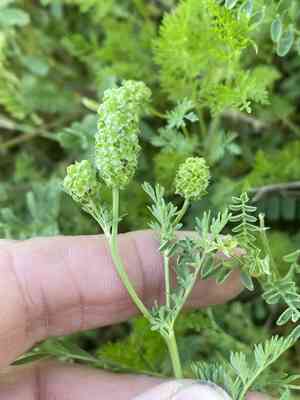
Cultivating prairie burnet is efficiently achieved via direct seeding. Position the seeds in thoroughly prepared, sufficiently hydrated soil. Before planting, it is beneficial to gently abrade the seed coats to improve sprouting success. Sustain steady hydration during the initial phases of growth, and offer abundant sunlight to encourage vigorous maturation. This technique supports strong development, guaranteeing a flourishing stand of prairie burnet.
Optimal Time for Prairie Burnet Propagation
Propagation Method
Seeding
Propagation Period
Spring
Tools for Prairie Burnet Propagation
Seed Trays
Seed trays are crucial for germinating prairie burnet seeds. They offer a controlled setting for sprouting, ensuring proper hydration and temperature. Their uniform design also simplifies monitoring seedling development.
Seedling Heat Mats
Seedling heat mats help keep the soil at an ideal temperature for prairie burnet seed germination. Consistent warmth accelerates sprouting and enhances the overall germination rate, especially for species with specific temperature needs.
Spray Bottle
A spray bottle is useful for maintaining appropriate moisture levels in seed trays without dislodging seeds, by delivering a gentle mist. This tool ensures prairie burnet's germinating seeds stay consistently and evenly hydrated.
Labeling Sticks
Labeling sticks are essential for tracking various sowing dates and seed types. Accurate labeling prevents confusion and assists in monitoring prairie burnet's growth, ensuring each seed receives customized care.
Moisture Meter
A moisture meter aids in precisely measuring the soil's moisture content in seed trays. This device ensures prairie burnet gets sufficient moisture without the risk of over or under-watering, both of which can impede germination and growth.
Seed Starting Mix
A premium seed starting mix offers a well-draining, nutrient-rich medium for prairie burnet. Its fine texture supports delicate root growth, boosting seedling development and fostering robust, healthy plants.
Humidity Dome
A humidity dome, placed over seed trays, creates a miniature greenhouse effect that traps moisture and maintains high humidity. This environment is perfect for prairie burnet germination, as it prevents seeds from drying out.
Transplanting Tools
Transplanting tools, such as dibbers and small hand trowels, are necessary for moving prairie burnet seedlings into larger containers or garden beds once they are strong enough. These tools minimize root disturbance and ensure a smooth transition for the seedlings, promoting continued healthy growth.
How to Propagate Prairie Burnet?
Propagation Type
Simple
Caring for Newly Propagated Prairie Burnet
Caring for Newly Propagated Prairie Burnet
Post-transplant, ensure prairie burnet receives ample sunlight, ideally full sun. Maintain consistent soil moisture, but avoid waterlogging. If needed, fertilize with a balanced, slow-release product. Regularly check for pests and diseases, and prune as required for healthy growth. Mulching around the base can help retain soil moisture and control weeds.
Common Mistakes to Avoid When Propagating Prairie Burnet
Overwatering
Excessive moisture can lead to root rot and fungal issues, impeding root development and overall plant health.
Incorrect Soil Type
Using dense or compacted soil can hinder root growth and drainage, leading to poor plant establishment.
Improper Light Conditions
Providing insufficient or excessive light can stress the plant, impacting its growth and photosynthesis.
Neglecting Pest Control
Ignoring pests can result in infestations that weaken or kill young plants before they can properly establish.
Ignoring Spacing Requirements
Planting too close can cause competition for resources, stunted growth, and poor air circulation, which can encourage disease.
Tips For Propagating Prairie Burnet
Soil Preference
Utilize well-draining soil rich in organic matter to support robust root growth and supply essential nutrients.
Watering Routine
Maintain a consistent yet moderate watering schedule, ensuring the soil stays moist but not saturated.
Light Exposure
Position in a spot with partial to full sun to support optimal growth and development.
Pest Management
Regularly inspect for pests and treat promptly to prevent infestations from harming young plants.
Adequate Spacing
Ensure sufficient space between plants to promote good air circulation, reduce competition, and minimize disease spread.



