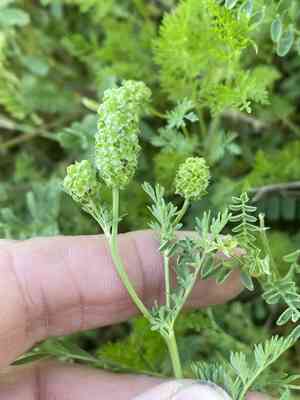
Prairie burnet (Poteridium annuum)
Also known as: none
Prairie burnet (Sanguisorba annua) is a herbaceous perennial recognized for its feathery, fern-like leaves and red-tinged, slender stems. It typically grows in moist, open habitats such as marshes and wet meadows, preferring damp soils. The plant's small, clustered flowers range from green to reddish hues, and it flourishes in full sun to partial shade conditions. This species is well-adapted to its wet environment, making it a popular choice for natural landscaping and wetland restoration projects.
In This Article
Attributes of Prairie burnet
Lifespan
Annual, Perennial
Plant Type
Herb
Plant Height
none
Spread
none
Leaf Color
none
Flower Size
none
Flower Color
none
Images of Prairie burnet
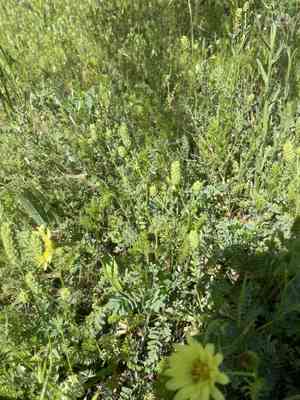
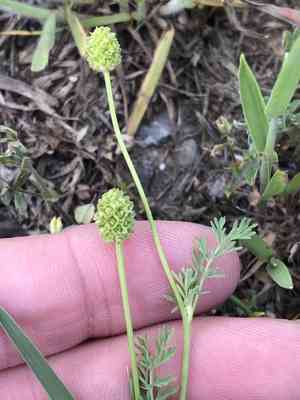
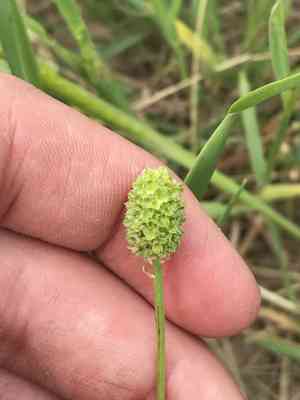
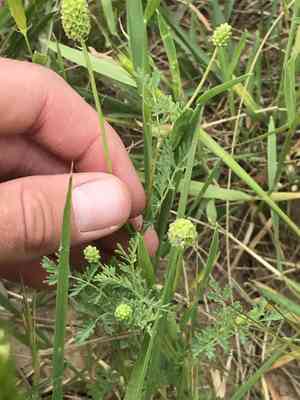
Quickly Identify Prairie burnet
1
none
Scientific Classification of Prairie burnet
Phylum
Vascular plants
Class
Dicotyledons
Order
none
Family
Rose
Genus
Poteridium
Species
Prairie burnet
Planting and Growing of Prairie burnet
Care Difficulty
Moderate
Watering Schedule
Every 3 days
Sunlight Requirements
Full sun
Sunshine Duration
6-10 hours
Ideal Temperature
68-77℉
Soil Type
Potting Mix, Peat Mix
Soil pH
6.5-7.5
Fertilizer Type
Balanced
Pruning Season
Spring, Summer
Pruning Area
Branches, Leaves
Pruning Frequency
2 times a year
Repotting Season
Spring
Pot Type
Plastic, Ceramic
 How to Water Prairie burnet?
Poteridium annuum demands a balanced approach to watering—just enough to keep the soil evenly moist without waterlogging. Generally, 250 milliliters per watering session is sufficient, ensuring the soil is moist up to a depth of 1 inch. This moderation prevents root rot while supporting healthy growth.
What are the symptoms of an underwatered Prairie burnet?
›
What should I do if my Prairie burnet is not getting enough water?
›
What are the symptoms of an overwatered Prairie burnet?
›
How to save an overwatered Prairie burnet?
›
 What Are the Sunlight Requirements for Prairie burnet?
Poteridium annuum thrives in full sun to partial sun, receiving 6-8 hours of sunlight. Ideal lighting encourages vigorous growth, colorful blooms, and significantly supports its metabolic processes.
Best Placement for Sunlight
›
Avoid Overexposure
›
Signs of Ideal Light Environment
›
 What Is the Ideal Temperature Range for Prairie burnet?
For optimal growth, Poteridium annuum thrives best in a temperature range of 68 to 77 degrees Fahrenheit. This range ensures proper metabolic processes and healthy development. Maintaining temperatures within this range helps the plant perform photosynthesis efficiently, leading to vibrant leaf color and robust flowering.
 What Soil is Best for Prairie burnet?
Poteridium annuum thrives in soil that retains nutrients well, offering essential minerals that boost growth. This requirement ensures the plant receives a steady supply of nutrients for robust health. Well-draining soil is crucial for preventing root rot. Sandy loam or loamy soils are ideal as they strike a balance between moisture retention and drainage, ensuring the roots remain healthy and well-aerated. While this plant doesn't need constant watering, maintaining a soil moisture balance is essential. Loamy soils hold sufficient moisture without becoming waterlogged, providing the right environment for optimal growth.
 How to Fertilize Prairie burnet?
For Poteridium annuum, a balanced approach is required when it comes to fertilizing this plant. Usually, the recommended amount for liquid fertilizer is about 1 teaspoon per gallon of water, ensuring that the mixture is diluted enough to prevent any potential root burn. For slow-release granules, 2-3 tablespoons per square foot is ample, providing steady nutrition throughout the growing season.
 How to Prune Prairie burnet?
Begin by sterilizing your pruning tools to prevent infection. Focus on removing dead, damaged, or diseased branches first. Make clean cuts at a 45-degree angle to encourage healthy regrowth. Be sure to prune just above a leaf node to stimulate new shoots. To shape the plant, selectively trim back overly long stems to a uniform height, enhancing its bushiness and overall appearance. Constantly monitor the symmetry to ensure a balanced shape, which is crucial for maintaining equal sunlight distribution across the foliage.
More About Pruning Techniques→
 How to Propagate Prairie burnet plant?
1
Fill the seed tray with a moist potting mix. Ensure the soil is evenly damp but not waterlogged. Create small divots in the soil for each seed using a pencil or a similar tool.
2
Place seeds into the prepared divots, one per hole, and gently cover them with a thin layer of potting mix. Ensure they are covered and press lightly to secure the seeds in place.
3
Water the seeds gently with a fine mist to avoid disturbing them. Place the seed tray in a warm, bright location, ensuring it receives consistent sunlight, which is essential for germination.
 How to Repot Prairie burnet plant?
1
Poteridium annuum signals the need for repotting through visible root-bound conditions, where roots start to circle at the base of the container. It's best to repot when the growth rate slows down despite favorable care conditions, or when the plant appears stressed due to the lack of space.
2
Select a pot that is 2-3 inches larger in diameter than the current one. Ensure it has multiple drainage holes to prevent waterlogging. The right size promotes healthy root growth and minimizes the risk of transplant shock.
3
Opt for a well-draining loam mix enriched with organic matter. This type of soil mimics the plant's natural habitat, ensuring proper aeration and moisture retention, which are crucial for healthy development and nutrient absorption.
Toxicity
Ingestion, Skin contact
WARNING
The judgment on toxicity and danger is for reference only. We DO NOT GUARANTEE any accuracy of such judgment. Therefore, you SHALL NOT rely on such judgment. It is IMPORTANT TO SEEK PROFESSIONAL ADVICE in advance when necessary.
Learn More About Prairie burnet Diseases
Anthracnose
Bacterial Leaf Spot
Bacterial Soft Rot
Bacterial Wilt
Black Spot
Chemical Injury
Cyst Nematode
Damping-off
Downy Mildew
Drought Stress
Fusarium Wilt
Gray Mold
Leaf Curl
Leaf Spot
Mosaic
Nutrient Deficiency
Nutrient Toxicity
Powdery Mildew
Root Rot
Root-knot Nematode
Rusts
Sooty Mold
Spider Mites
Temperature Stress
Thrips Damage
White Mold



