How to Transplant High mountain cinquefoil?
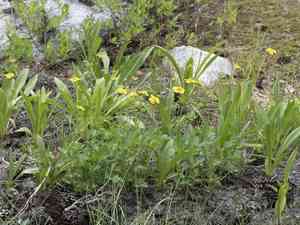
Relocating high mountain cinquefoil is most successful when performed after the ground thaws or prior to the initial freezeâgenerally from early to late spring and from mid-autumn to early winter. Select a location featuring soil that drains effectively and receives partial sunlight. Careful handling assists in root development.
What Preparations are Needed Before Transplanting High Mountain Cinquefoil?
What is the Ideal Time for Transplanting High Mountain Cinquefoil?
Choosing a period with mild and consistent weather, the optimal time for relocating high mountain cinquefoil is from early to late spring or from mid-autumn to the start of winter. Establishing in their new location during these seasons allows high mountain cinquefoil to develop roots in moderate conditions, ensuring a vigorous start in spring or proper settling before winter's cold. Careful timing provides high mountain cinquefoil the best chance to thrive, showcasing your commitment to a vibrant garden.
How Much Space Should You Leave Between High Mountain Cinquefoil Plants?
To allow your high mountain cinquefoil to flourish, plant them with approximately 18-24 inches (45-60 cm) of space between each. This provides ample room for development, ensuring each plant receives necessary resources without crowding.
What is the Best Soil Mix for High Mountain Cinquefoil Transplanting?
Prepare a planting area with soil that drains well and is rich in organic material. Incorporate a balanced, slow-release fertilizer to nourish your high mountain cinquefoil as they become established in their new environment.
Where Should You Relocate Your High Mountain Cinquefoil?
Select a sunny location for your high mountain cinquefoil, as they thrive in direct sunlight. Ensure the chosen spot receives at least 6 hours of direct sun daily, which is crucial for their healthy growth and abundant flowering.
What Equipments Should You Prepare Before Transplantation High Mountain Cinquefoil?
Gardening Gloves
To safeguard your hands while handling soil and plants.
Shovel or Spade
For digging and lifting the plant from its original spot.
Garden Fork
Useful for loosening the soil around the plant's root system prior to transplanting.
Watering Can
To hydrate the plant before and after transplanting, ensuring adequate moisture.
Pruning Shears
To trim any dead or damaged roots or foliage before the transplant process.
Wheelbarrow or Garden Cart
For moving the plant from one site to another.
Mulch
To aid in retaining soil moisture and regulating temperature post-transplant.
Stake or Plant Support
To offer stability to the plant if needed.
How Do You Remove High Mountain Cinquefoil from the Soil?
How Do You Remove High Mountain Cinquefoil from the Soil?
From Ground: First, water the high mountain cinquefoil plant to moisten the soil. This reduces plant stress and helps keep the root ball intact. Using a shovel or spade, dig a wide circle around the plant, ensuring you are far enough away to avoid cutting through roots. Gently work the tool beneath the root ball and carefully lift the plant from its original position.From Pot: Begin by watering the high mountain cinquefoil to facilitate its removal and protect the root ball. Turn the pot on its side and gently tap or roll it to loosen the plant. Hold the base of the plant and carefully slide it out of the pot, supporting the root ball as you do so.From Seedling Tray: Water the seedlings to keep their roots intact during transfer. Use a small implement, such as a fork or a dibber, to carefully lift the high mountain cinquefoil seedlings from their compartments, taking care not to harm the delicate roots.
Step-by-Step Guide for Transplanting High Mountain Cinquefoil
Preparation
Ensure the chosen location for the high mountain cinquefoil has been prepared as previously instructed. Clear the area of any weeds and debris.
Digging Hole
Excavate a hole twice the width of the root ball and at the same depth as the plant was previously growing. This encourages root expansion.
Placing Plant
Gently position the high mountain cinquefoil plant into the prepared hole, being careful to set it at the same level it was growing at before, which should be visible from the soil line on the stem.
Refilling Hole
Backfill the hole with soil around the root ball, gently firming it down with your hands to eliminate air pockets without overly compacting the soil.
Watering
Water thoroughly immediately after planting to help settle the soil around the root ball and provide essential hydration for your high mountain cinquefoil.
Adding Mulch
Apply a layer of mulch around the plant to help retain soil moisture and suppress weeds, avoiding piling mulch against the stem to prevent rot.
Staking
If your high mountain cinquefoil plant is tall or in a windy area, insert a stake on the prevailing wind side and loosely tie the plant for support.
How Do You Care For High Mountain Cinquefoil After Transplanting?
Monitoring Plant Health
Regularly inspect the plant for indications of stress or disease. Yellowing leaves can signal over- or under-watering, while wilted leaves suggest the high mountain cinquefoil may not be receiving enough water.
Ongoing Watering
Maintain a consistent watering schedule to keep the soil moist, but allow the top inch to dry out slightly before the next watering. Over time, reduce watering frequency to promote robust root development.
Additional Support
Adjust the stake or support as the high mountain cinquefoil grows to provide stability without constricting the plant.
Pruning
Trim any dead or damaged growth to encourage healthy new growth and maintain the desired form.
Observing Growth
Look for new growth as an indication of successful transplantation. Be patient as some high mountain cinquefoil plants may require time to adapt to their new location.
Troubleshooting Common Issues with High Mountain Cinquefoil Transplantation.
When is the best time to transplant high mountain cinquefoil?
Transplant high mountain cinquefoil during early to late spring or mid-fall to early winter for optimal root establishment.
How far apart should I space high mountain cinquefoil when transplanting?
Aim for a spacing of 18-24 inches (45-60 cm) to give high mountain cinquefoil ample room to grow and flourish.
What should I do if high mountain cinquefoil wilts after transplanting?
Ensure adequate watering without over-saturating; mulch can help retain moisture and protect the roots.
How deeply should I plant high mountain cinquefoil's root ball?
The root ball should be planted at the same depth it was grown previously to prevent stem rot.
Can I transplant high mountain cinquefoil on a hot, sunny day?
It's best to transplant during cooler, overcast days or late afternoons to prevent transplant shock.
What soil conditions does high mountain cinquefoil prefer for transplanting?
Use well-draining soil rich in organic matter; high mountain cinquefoil thrives in conditions that replicate its native habitat.
How much should I water high mountain cinquefoil after transplanting?
Water deeply to encourage new root growth, then maintain consistent moisture, especially in the first few weeks.
Why are high mountain cinquefoil's leaves turning yellow after transplanting?
Yellow leaves may indicate over-watering, under-watering, or nutrient deficiency; adjust care accordingly.
When can I expect high mountain cinquefoil to bloom after transplanting?
With proper care, high mountain cinquefoil may bloom the following season as it takes time to establish.
Should I fertilize high mountain cinquefoil right after transplanting?
Wait a few weeks before fertilizing to prevent burning the roots; let high mountain cinquefoil acclimate to its new spot first.



