How to Prune High mountain cinquefoil?
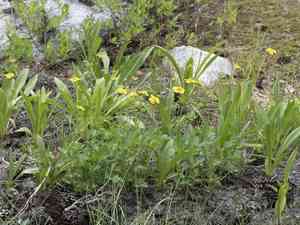
This enduring woody plant, distinguished by its compact habit and lobed foliage, thrives in elevated, mountainous regions. For high mountain cinquefoil, undertake a gentle trimming in spring to eliminate any lifeless or compromised branches and stimulate fresh development. During the summer, you might need to snip off faded blossoms to extend the flowering period. Appropriate pruning guarantees a dense form and vigorous well-being. The seasonal schedule corresponds with the periods following flowering and preceding new growth to optimize the plant's inherent rhythm.
What Are the Benefits of Pruning High Mountain Cinquefoil?
What Are the Benefits of Pruning High Mountain Cinquefoil?
Trimming high mountain cinquefoil promotes vitality and preserves its dense shape. Consistent cutting fosters robust health and prevents excessive growth, enhancing high mountain cinquefoil's appearance and preventing it from overshadowing nearby plants.
What Is the Best Time for Pruning High Mountain Cinquefoil?
What Is the Best Time for Pruning High Mountain Cinquefoil?
Pruning high mountain cinquefoil from late spring to early summer is ideal due to factors related to its growth and development cycle. After winter, high mountain cinquefoil enters an active growth phase, making this a suitable time to prune without causing undue stress. Pruning during this period ensures the plant has ample time to recover before winter, minimizing the risk of disease or cold damage. Furthermore, since high mountain cinquefoil typically blooms on new growth, late spring pruning allows for shaping without significant loss of flowers. Summer pruning should be done carefully to maintain high mountain cinquefoil's health and avoid hindering flower production. This timing encourages vigorous growth and the development of strong, healthy branches for the next season's blooms.
What Tools Do I Need to Prune High Mountain Cinquefoil?
Hand Pruners
Perfect for making clean cuts on high mountain cinquefoil's smaller stems and branches, which encourages healthy development and prevents illness.
Pruning Shears
These are suitable for shaping high mountain cinquefoil by clipping off unwanted branches and can easily manage the plant's delicate texture.
Garden Scissors
Excellent for deadheading and minor shaping of high mountain cinquefoil, offering precision for maintaining its aesthetic appeal.
Loppers
Useful for reaching into the denser areas of high mountain cinquefoil's growth and cutting thicker branches that hand pruners cannot handle.
How to Prune High Mountain Cinquefoil
Disinfect tools
Before pruning high mountain cinquefoil, clean and sanitize all pruning implements to prevent the spread of pathogens.
Remove diseased leaves
Carefully inspect high mountain cinquefoil for any affected foliage. Use your disinfected pruning shears to remove these leaves at their base without harming healthy sections.
Trim withered leaves
Identify dried or dead leaves on high mountain cinquefoil and snip them off at the base to encourage healthy growth and air circulation.
Cut diseased stems
Examine high mountain cinquefoil for diseased stems. Make precise cuts to remove these stems well below the affected areas, ensuring you do not leave stubs that could harbor pests or diseases.
Cleanup
After pruning high mountain cinquefoil, gather all removed plant material and dispose of it away from healthy plants to reduce the risk of disease transmission.
Common Pruning Mistakes with High Mountain Cinquefoil
Over pruning
Cutting back high mountain cinquefoil excessively can result in weakened plants that produce fewer flowers. Aim to remove only one-third of the growth to maintain vigor and flowering potential.
Improper cutting technique
Making cuts too far from a bud or node can leave stubs that invite disease. Cuts should be made at a 45-degree angle approximately 1/4 inch above an outward-facing bud to promote proper, disease-free growth.
Pruning healthy growth
Removing healthy growth indiscriminately can limit high mountain cinquefoil's ability to thrive. Focus pruning efforts on dead, damaged, or diseased stems, along with any that are crossing or rubbing against each other.
Neglecting tool maintenance
Using dull or dirty tools can cause jagged cuts and introduce pathogens. Ensure that your pruning tools are sharp and sterilized before use to make clean cuts and reduce disease risk.
Common Pruning Tips for High Mountain Cinquefoil
Selective pruning
Identify and remove only the woody, old stems that no longer produce flowers, which allows new, healthy growth to emerge and thrive.
Maintaining shape
Prune high mountain cinquefoil by considering its natural form. Aim to maintain an attractive, balanced shape while facilitating light penetration and air circulation within the plant.
Encouraging new growth
To stimulate new growth and increase flowering, cut back the stems that have just finished blooming.
Moderate thinning
Thin out crowded areas by removing some of the stems at their base. This helps to open up the plant, allowing light and air to reach the center and promote healthy growth without causing undue stress to high mountain cinquefoil.
Immediate deadheading
Remove spent flowers regularly to encourage high mountain cinquefoil to produce more blooms and direct energy away from seed production.



