How to Transplant Large-leaf pondweed?
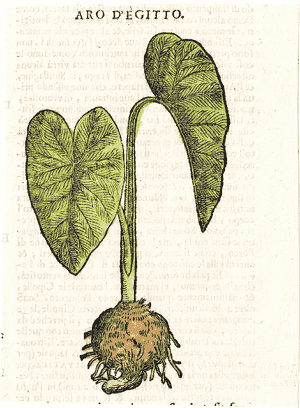
Large-leaf pondweed flourishes most effectively when relocated during the prime periods of early to late spring or early to late winter. Select a bright spot featuring clear, moving water. This timeframe facilitates root development and reduces the stress of transplantation.
What Preparations are Needed Before Relocating Large-leaf Pondweed?
What is the Ideal Time for Relocating Large-leaf Pondweed?
The best period for moving large-leaf pondweed, a perennial plant, spans from early to late spring or early to late winter. Relocating during these seasons ensures the plant is dormant, minimizing shock from the move, and allows roots to establish before active growth. This timing boosts survival rates and encourages vigorous development.
How Much Space Should You Leave Between Large-leaf Pondweed Plants?
For optimal development, position each large-leaf pondweed 18-24 inches (45-60 cm) apart. This provides ample room for their expansive foliage and prevents overcrowding.
What is the Best Soil Mix for Large-leaf Pondweed Relocation?
Utilize a rich, loamy soil enriched with compost to supply vital nutrients. Before planting, incorporate a balanced, slow-release fertilizer into the soil to give large-leaf pondweed a strong start.
Where Should You Relocate Your Large-leaf Pondweed?
Select a site that receives full to partial sunlight. Large-leaf pondweed thrives in areas that get 4-6 hours of sun daily. A sunny location ensures robust and healthy growth.
What Equipments Should You Prepare Before Relocating Large-leaf Pondweed?
Gardening Gloves
To shield your hands while handling soil and the plant.
Shovel or Spade
For excavating around the plant and preparing the new planting spot.
Trowel
For more precise digging and managing smaller root systems.
Bucket or Container
For temporarily holding the plant and safeguarding roots during the move.
Watering Can or Hose
To hydrate the plant before and after its relocation.
Mulch
To help retain soil moisture and regulate temperature around the newly moved plant.
How Do You Remove Large-leaf Pondweed from the Soil?
How Do You Remove Large-leaf Pondweed from the Soil?
From Ground: First, moisten the large-leaf pondweed plant to dampen the soil. Then, dig a wide trench around the plant using a shovel or spade, ensuring the plant's root ball stays intact. Carefully work the spade beneath the root ball to lift the plant from its original spot.From Pot: Water the large-leaf pondweed plant thoroughly, then gently tip the pot and tap its sides to loosen the soil. Carefully slide the plant out, making sure to support the root ball to prevent it from breaking apart.From Seedling Tray: Water the seedlings in the tray before removal. Use a trowel to gently loosen the soil surrounding each seedling. Carefully lift each seedling out by supporting the root ball and avoiding damage to the delicate stems and roots.
Step-by-Step Guide for Relocating Large-leaf Pondweed
Preparation
Gather all necessary tools and supplies. Ensure the new location is ready for the plant's move.
Digging Hole
Excavate a hole in the new spot that is twice the width and depth of the large-leaf pondweed plant's root ball.
Watering Hole
Moisten the hole in the new location to create a damp environment for the large-leaf pondweed's roots.
Placing Plant
Gently position the large-leaf pondweed plant into the hole, making sure it sits at the same depth as it was previously.
Filling Hole
Backfill the hole with soil, being careful to eliminate air pockets by gently pressing down the soil around the root ball.
Watering Plant
Water the large-leaf pondweed plant thoroughly after relocation to help settle the soil and reduce shock.
Application Mulch
Apply a layer of mulch around the base of the large-leaf pondweed to retain moisture and regulate soil temperature.
How Do You Care For Large-leaf Pondweed After Relocation?
Watering
Keep the soil around the large-leaf pondweed consistently moist, but not waterlogged, for the initial weeks post-relocation to aid in root establishment.
Monitoring
Observe for signs of relocation shock, such as wilting or yellowing leaves, and provide extra water if needed.
Protection
Shield the large-leaf pondweed from extreme temperatures and strong winds by offering shade or using barriers when necessary.
Fertilizing
Avoid fertilizing immediately after relocation. Wait a few weeks until the plant shows signs of new growth before applying a mild, balanced fertilizer.
Troubleshooting Common Issues with Large-leaf Pondweed Relocation.
When is the best time to relocate large-leaf pondweed?
Move large-leaf pondweed between early and late spring or early and late winter for optimal outcomes.
How should I space relocated large-leaf pondweed plants?
Space large-leaf pondweed plants approximately 18-24 inches (45-60 cm) apart to ensure healthy development.
What should the soil condition be when relocating large-leaf pondweed?
Use nutrient-rich, loamy soil with good drainage to ensure optimal growth for large-leaf pondweed.
How deep should I plant large-leaf pondweed during relocation?
Plant large-leaf pondweed at the same depth it was growing before, typically 4-6 inches (10-15 cm) deep.
Should I water large-leaf pondweed immediately after relocating?
Yes, water large-leaf pondweed thoroughly right after relocation to help settle the soil around the roots.
What temperature should the soil be for relocating large-leaf pondweed?
Ensure soil temperature is between 50-70°F (10-21°C) when relocating large-leaf pondweed for best results.
Can I use fertilizer when relocating large-leaf pondweed?
Use a balanced, slow-release fertilizer to support root development during the relocation of large-leaf pondweed.
How can I protect large-leaf pondweed from relocation shock?
Water regularly and apply mulch around large-leaf pondweed to retain moisture and protect from temperature changes.
What is the best way to transport large-leaf pondweed for relocation?
Transport large-leaf pondweed with moist, wrapped roots to maintain hydration and prevent damage before relocation.
How do I know if large-leaf pondweed is successfully relocated?
Large-leaf pondweed will show new growth and remain upright, indicating successful relocation and healthy root establishment.



