How to Prune Large-leaf pondweed?
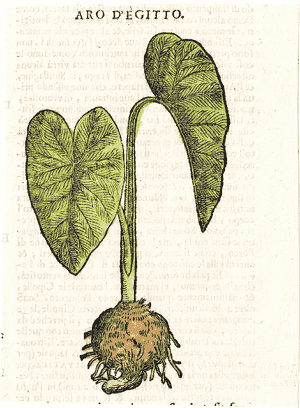
Broad-leaved pondweed, recognized for its expansive, vibrant foliage, thrives with trimming to sustain vitality and encourage robust development. The most effective periods for pruning are in early spring or late winter, prior to the plant's vigorous growth stage. Eliminate deceased or deteriorating stalks to improve water flow and the plant's well-being. Trimming additionally aids in managing dimensions and averts excessive density, fostering superior light access. Verify that implements are sanitized to avert the spread of pathogens. Consistent trimming can lead to a more resilient and visually appealing aquatic environment.
What Are the Benefits of Pruning Large-leaf Pondweed?
What Are the Benefits of Pruning Large-leaf Pondweed?
Trimming large-leaf pondweed encourages robust development and maintains its form. It prevents excessive density, fosters healthy growth, and lowers disease risk. Regular trimming ensures controlled expansion, enhancing both the plant's well-being and visual appeal.
What Is the Best Time for Pruning Large-leaf Pondweed?
What Is the Best Time for Pruning Large-leaf Pondweed?
Trimming large-leaf pondweed in early spring or late winter is optimal as it coincides with the plant's dormant phase. During these periods, large-leaf pondweed is less active, making it less susceptible to harm and reducing disease potential. Pruning before the active growth cycle allows the plant to recover and promotes strong growth in the upcoming season. Furthermore, this timing avoids disrupting the plant's blooming and fruiting cycles, thereby preserving its health and reproductive success.
What Tools Do I Need to Prune Large-leaf Pondweed?
Aquatic Pruning Rake
Perfect for clearing larger sections and debris without harming the plant. Specifically designed for water plants, it can effectively reach and manage submerged growth.
Long-handled Pruning Shears
Useful for precisely cutting back overgrown stems and leaves from the water's surface. The extended handle offers reach and control, vital for managing large-leaf pondweed's growth habit.
Aquatic Plant Scissors
Crucial for delicate tasks and detailed trimming near the base. These scissors enable gardeners to shape and trim large-leaf pondweed without causing undue damage to the plant.
How to Prune Large-leaf Pondweed
Inspection
Examine large-leaf pondweed closely to identify any diseased or withered leaves that may require removal. Look for signs of discoloration, damage, or decay.
Sterilize Tools
Sanitize your pruning tools with a solution of one part bleach to nine parts water to prevent the spread of disease to large-leaf pondweed. Ensure all tools are clean and sharp.
Remove Diseased Leaves
Carefully cut off any diseased leaves from large-leaf pondweed, making precise cuts just above the base of the leaf stem. Ensure all affected areas are removed to prevent disease spread.
Remove Withered Leaves
Trim the withered leaves by cutting them just above the base of the leaf stem. Removing these will prevent unnecessary stress on large-leaf pondweed and encourage healthier growth.
Disposal and Cleaning
Dispose of the trimmed leaves away from water bodies or compost to avoid pathogen spread. Clean your tools again to ensure they are ready for future use.
Common Pruning Mistakes with Large-leaf Pondweed
Over-pruning
Removing too much of the plant can lead to stress and hinder growth. Large-leaf pondweed requires a delicate balance; excessive trimming can cause more harm than good.
Improper Cutting Technique
Using dull or unsuitable tools can damage stems and leaves, exposing the plant to disease and reducing its overall health.
Pruning at the Wrong Time
Although the specific season is excluded, ensuring the timing aligns with the plant's growth cycle is crucial. Ignoring this can impede large-leaf pondweed's growth and flowering.
Neglecting Diseased or Damaged Areas
Failing to identify and remove diseased or dead portions of large-leaf pondweed can further spread the problem and impact the plant's overall health.
Ignoring the Plant's Natural Shape
Pruning without considering the natural growth habit of large-leaf pondweed can result in an unattractive and unbalanced appearance.
Common Pruning Tips for Large-leaf Pondweed
Use Clean, Sharp Tools
Always use clean, sharp pruning shears or scissors. This ensures precise cuts and minimizes the risk of infection or damage to large-leaf pondweed.
Start with Dead or Diseased Material
Begin by removing any dead, damaged, or diseased leaves and stems. This supports the overall health and vitality of large-leaf pondweed.
Prune Conservatively
Only remove what is necessary to maintain shape and health. For large-leaf pondweed, less is often more; excessive removal can be detrimental.
Mind the Growth Habit
Large-leaf pondweed has a specific growth pattern. Follow this natural structure when pruning to ensure the plant retains its ornamental appeal.
Promote Air Circulation
Prune in a way that improves air circulation within the foliage. This helps prevent mold and other moisture-related issues, crucial for large-leaf pondweed's health.



