How to Transplant Paraguayan purslane?
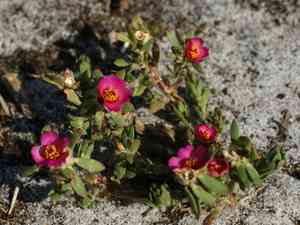
Relocate paraguayan purslane during the vibrant period of spring when its development is robust. Select a bright spot featuring soil that drains effectively. Careful manipulation is crucial—tend to the roots to guarantee a smooth integration into their new environment.
What Preparations are Needed Before Transplanting Paraguayan Purslane?
What is the Ideal Time for Transplanting Paraguayan Purslane?
The optimal period for moving paraguayan purslane is after the last frost, typically during the gentle warmth of spring. This timing encourages vigorous development by avoiding winter's cold or summer's intense heat. Shifting paraguayan purslane at this time ensures strong root establishment, thriving with the extended daylight hours spring offers. Relocating in this mild season allows paraguayan purslane to settle in moderate conditions, setting the stage for a vibrant display as temperatures rise.
How Much Space Should You Leave Between Paraguayan Purslane Plants?
To allow your paraguayan purslane ample room to thrive, position them approximately 6-8 inches (15-20 cm) apart. This spacing provides sufficient area for their foliage to expand and flourish without competing for essential nutrients.
What is the Best Soil Mix for Paraguayan Purslane Transplanting?
Prepare a suitable bed for your paraguayan purslane using soil that drains effectively. Mix in some organic compost to provide nourishment. A balanced, slow-release fertilizer will give them an excellent start. Aim for a pH level that is neutral to slightly acidic.
Where Should You Relocate Your Paraguayan Purslane?
Locate a sunny spot in your garden where your paraguayan purslane can receive at least 6-8 hours of direct sunlight daily. They thrive in warmth and light, so an area bathed in sun would be perfect for them.
What Equipments Should You Prepare Before Transplantation Paraguayan Purslane?
Gardening Gloves
To safeguard your hands while handling soil and plants.
Shovel or Spade
For excavating and lifting the plant's root mass.
Garden Trowel
Useful for smaller digging tasks and refining the planting cavity.
Watering Can or Hose
To hydrate the plant before and after its relocation.
Pruners or Sharp Scissors
For trimming any damaged roots or foliage.
Wheelbarrow or Garden Cart
To move the plant and soil efficiently.
Measuring Tape
To ensure correct spacing between transplanted specimens.
How Do You Remove Paraguayan Purslane from the Soil?
How Do You Remove Paraguayan Purslane from the Soil?
From Ground: Start by watering your paraguayan purslane to ensure the soil is damp. Carefully dig around the plant using a shovel or spade, creating a wide perimeter around the root ball. Once a sufficient trench is made, slide the spade beneath the root ball and gently lift the plant, aiming to keep the soil around the roots intact.From Pot: Hydrate the paraguayan purslane prior to beginning. Turn the pot on its side and gently tap the edges and bottom to loosen the soil. Carefully slide the plant out, supporting the root ball with your hand. If the plant resists, you may need to cut the pot away.From Seedling Tray: Water the seedlings thoroughly. Gently push the paraguayan purslane from the bottom of the tray or use a tool like a dibber to ease them out. Hold the seedlings by their leaves to prevent stem damage, and carefully separate the roots if they have grown through the tray's base.
Step-by-Step Guide for Transplanting Paraguayan Purslane
Transplant Timing
Identify the most suitable time of year for transplanting paraguayan purslane, aiming for cooler parts of the day to minimize heat stress.
Preparing the New Location
Excavate a hole in the ground slightly larger than the root ball of your paraguayan purslane. Loosen the soil within the planting hole to allow roots to spread easily.
Root Preparation
Examine the paraguayan purslane's roots. Trim any broken or excessively long roots to encourage new growth. If the roots are pot-bound (tightly circling the root ball), gently untangle them so they can extend into the soil.
Planting Depth and Orientation
Position paraguayan purslane in the new hole at the same depth it was in its original spot. Ensure it faces the same direction if it was previously accustomed to the sun's pattern.
Soil Refilling
Carefully backfill the hole with soil around the root ball of paraguayan purslane, taking care not to compact the soil too much. Create a small depression around the base to aid water absorption.
Watering After Transplanting
Water your paraguayan purslane thoroughly once it's in place to settle the soil and remove air pockets. This will also provide essential hydration for the plant to recover from transplant shock.
How Do You Care For Paraguayan Purslane After Transplanting?
Monitoring
Observe your paraguayan purslane for indications of transplant shock, such as wilting, leaf drop, or discoloration. If these signs appear, continue providing tender loving care and track its progress.
Mulching
Apply a layer of organic mulch around the base of paraguayan purslane to help retain moisture, regulate soil temperature, and suppress weed growth.
Support
If paraguayan purslane is a taller variety or exposed to windy conditions, you might need to stake it for support until its roots become established.
Pruning
Trim any damaged or dead leaves and stems to help your paraguayan purslane direct energy towards establishing new growth and recovery.
Troubleshooting Common Issues with Paraguayan Purslane Transplantation.
Why are my paraguayan purslane seedlings wilting after transplanting?
Post-transplant wilting can result from root shock or insufficient watering. Ensure gentle handling during transplant and maintain consistently moist soil.
What is the best time to transplant paraguayan purslane?
The ideal time for transplanting paraguayan purslane is in early to mid-spring, once the season has begun, for optimal establishment.
How much space should I leave between paraguayan purslane plants?
Allow approximately 6-8 inches (15-20 cm) between plants. This provides room for growth and adequate air circulation.
How deep should I plant paraguayan purslane seedlings?
Plant paraguayan purslane at the same depth they were in their original container, ensuring roots are fully covered but not excessively deep.
What if leaves of paraguayan purslane turn yellow after transplanting?
Yellow leaves might indicate overwatering or a nutrient deficiency. Adjust watering practices and consider a balanced, slow-release fertilizer.
Should I harden off my paraguayan purslane seedlings before transplanting?
Absolutely, gradually acclimate your paraguayan purslane to outdoor conditions over a week to minimize transplant shock and strengthen them.
Can I transplant paraguayan purslane on a hot, sunny day?
It's best to transplant on a cooler, overcast day or in the late afternoon to reduce stress and moisture loss.
How do I know if the soil is right for transplanting paraguayan purslane?
Ensure the soil drains well yet retains moisture. Loamy soil enriched with organic matter is perfect for paraguayan purslane.
What should I do if paraguayan purslane doesn't seem to grow post-transplant?
Verify adequate sunlight, water, and nutrients. Patience is crucial; paraguayan purslane may be establishing roots before showing top growth.
Why is spacing important when transplanting paraguayan purslane?
Proper spacing, 6-8 inches (15-20 cm) apart, ensures each paraguayan purslane receives sufficient sunlight, nutrients, and air flow for healthy development.



