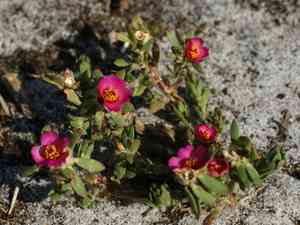
Paraguayan purslane (Portulaca amilis)
Also known as: Tropical Purslane, Paraguayan Purslane
Portulaca, commonly known as moss rose, is a succulent groundcover that flourishes in hot, dry climates. It features fleshy, oval to spoon-shaped leaves and vibrant flowers that open in sunlight, helping it conserve moisture. This hardy plant, with its spreading, mat-like growth, is perfect for adding color to rockeries or sandy soils, thanks to its drought-resistant nature.
In This Article
Attributes of Paraguayan purslane
Lifespan
Annual
Plant Type
Herb, Succulent
Plant Height
15 cm
Spread
15 cm
Leaf Color
Green
Flower Size
1-2 cm
Flower Color
Pink, Purple
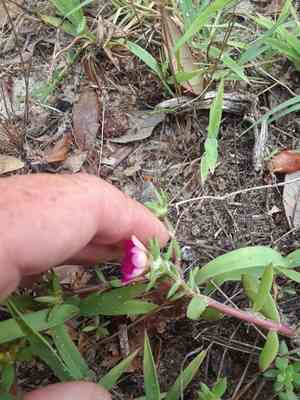
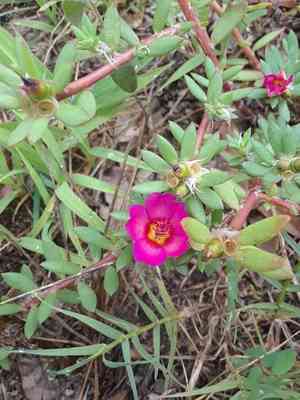
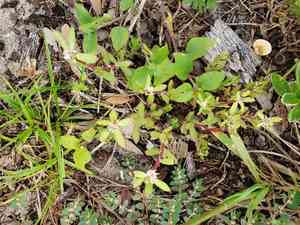
Images of Paraguayan purslane

Quickly Identify Paraguayan purslane
1
Identify Portulaca amilis by its succulent stems, small obovate leaves, and brightly colored, five-petaled flowers that are usually pink or purple. The plant often forms a dense mat on the ground.
Scientific Classification of Paraguayan purslane
Phylum
Vascular plants
Class
Dicotyledons
Order
Caryophyllales
Family
Purslane
Genus
Purslanes
Species
Paraguayan purslane
Planting and Growing of Paraguayan purslane
Care Difficulty
Easy
Watering Schedule
Every 3 days
Sunlight Requirements
Full sun
Sunshine Duration
4-8 hours
Ideal Temperature
65-80℉
Soil Type
Potting Mix, Peat Mix
Soil pH
6-7.5
Fertilizer Type
Balanced
Pruning Season
Spring, Summer
Pruning Area
Branches, Leaves
Pruning Frequency
2 times a year
Repotting Season
Spring
Pot Type
Plastic, Ceramic
 How to Water Paraguayan purslane?
For Portulaca amilis, it is important to mimic its natural habitat by ensuring the soil is moderately moist, but never soggy. This typically means providing around 250ml of water per session. The soil should be allowed to dry out slightly between waterings, ensuring efficient drainage to avoid waterlogging.
What are the symptoms of an underwatered Paraguayan purslane?
›
What should I do if my Paraguayan purslane is not getting enough water?
›
What are the symptoms of an overwatered Paraguayan purslane?
›
How to save an overwatered Paraguayan purslane?
›
 What Are the Sunlight Requirements for Paraguayan purslane?
Portulaca amilis benefits from full sun to partial sun exposure, ideally receiving 6-8 hours of direct sunlight. Adequate light ensures vibrant blooms and robust growth, essential for a healthy plant.
What is the ideal lighting condition for Portulaca amilis?
›
How can I ensure Portulaca amilis receives its ideal light exposure?
›
What are the benefits of providing ideal lighting conditions for Portulaca amilis?
›
 What Is the Ideal Temperature Range for Paraguayan purslane?
Portulaca amilis thrives best in environments where the temperature consistently remains between 65°F and 80°F. These temperatures promote optimal growth by supporting photosynthesis and other metabolic processes. When the temperature stays within this range, you'll notice vibrant foliage and abundant flowering.
 What Soil is Best for Paraguayan purslane?
Portulaca amilis thrives best in well-drained soil. Ensuring proper drainage prevents root rot and promotes overall plant health, allowing it to flourish with vibrant blooms. While not overly demanding, a slightly nutrient-rich soil enhances the lushness of Portulaca amilis foliage. Utilizing compost can provide necessary nutrients, boosting its growth and flowering potential. Portulaca amilis prefers a light, airy soil texture, which facilitates oxygen flow to the roots. This condition prevents compacted soil, promoting robust and healthy growth.
 How to Fertilize Paraguayan purslane?
For Portulaca amilis, use a balanced liquid fertilizer diluted to half strength. Generally, apply about 10-15 ml of fertilizer per plant during its active growing period. Be cautious not to overdo it as this plant thrives in less enriched conditions.
 How to Prune Paraguayan purslane?
Start by removing dead or yellowing leaves, which helps prevent disease. Use clean and sharp scissors or pruning shears to make precise cuts at a 45-degree angle. Trim back overgrown stems and ensure that no unwanted branches overshadow other parts of the plant. Remember to sterilize your cutting tools before and after pruning to prevent the spread of infection. To maintain a neat appearance, focus on shaping the plant by trimming excess growth and ensuring an even structure. Portulaca amilis benefits from a compact form, so prune selectively to create a balanced look. This helps in channeling the plant's energy into producing more flowers and maintaining a robust structure.
More About Pruning Techniques→
 How to Propagate Paraguayan purslane plant?
1
Harvest seeds from mature Portulaca amilis plants once the seed pods have fully dried on the plant. Ensure that the seeds are collected in a dry environment to prevent mold.
2
Cut healthy stems from the mother plant using pruning shears. Ensure each cutting is 3-4 inches long and has at least one pair of leaves at the top.
3
Once seeds have germinated and seedlings are large enough to handle, transplant them into individual pots or directly into the garden, spacing them appropriately.
 How to Repot Paraguayan purslane plant?
1
Portulaca amilis should be repotted when you observe roots growing out of the drainage holes or when the plant becomes root-bound, evidenced by slow growth or a decline in its overall vigor. These signs indicate it's time for a new pot.
2
Select a pot that is one size larger than the current one, offering 1-2 inches more in diameter. A pot with good drainage is crucial to prevent waterlogging, which can lead to root rot. Ensure the material of the pot allows the soil to breathe.
3
Opt for a sandy, well-draining soil mix that mimics the plant's natural environment. A cacti or succulent mix with some added perlite ensures excellent drainage, reducing the risk of root rot and promoting healthy growth.



