How to Prune Paraguayan purslane?
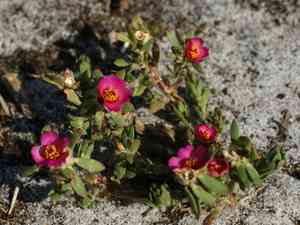
Paraguayan purslane, a robust groundcover featuring fleshy foliage, flourishes with little attention. Encourage denser development by snipping off the ends of stems, preferably during its vigorous growth periods: from spring to autumn. Consistent trimming deters excessive spreading, stimulates branching, and preserves a neat form. This plant reacts favorably to pruning, which can revitalize its development and improve its thick, verdant look. To achieve the best outcomes, sanitize your implements to avoid spreading pathogens.
What Are the Benefits of Pruning Paraguayan Purslane?
What Are the Benefits of Pruning Paraguayan Purslane?
Trimming paraguayan purslane encourages robust development and assists in maintaining its desired form. This results in a healthier, more visually appealing plant with controlled dimensions suitable for its environment.
What Is the Best Time for Pruning Paraguayan Purslane?
What Is the Best Time for Pruning Paraguayan Purslane?
Trimming paraguayan purslane in spring allows for the removal of any winter frost damage and helps stimulate new growth as the plant enters its active development phase. Early summer is also suitable, especially after the initial growth spurt, to shape the plant and promote further density. Autumn pruning is beneficial as it prepares paraguayan purslane for dormancy by eliminating dead or diseased parts, reducing the likelihood of pests and diseases during colder months. These periods are considered optimal because they align with paraguayan purslane's natural growth cycle while minimizing stress and maximizing recovery and flowering potential.
What Tools Do I Need to Prune Paraguayan Purslane?
Bypass Pruners
Perfect for making precise cuts on paraguayan purslane, bypass pruners inflict minimal harm to the delicate stems during trimming.
Gardening Scissors
Due to paraguayan purslane's slender stems, gardening scissors are appropriate for snipping off unwanted branches without harming the plant.
Hand Shears
For shaping paraguayan purslane or managing its spread, hand shears can be utilized to cut multiple stems quickly and effectively.
Pruning Snips
Pruning snips are ideal for deadheading or removing spent flowers from paraguayan purslane with precision and minimal effort.
How to Prune Paraguayan Purslane
Disinfect Tools
Before beginning the trimming process for paraguayan purslane, clean and sanitize pruning shears or scissors to prevent the spread of diseases to the plant. Use a solution of one part bleach to nine parts water to sterilize the tools. Allow them to air dry before use.
Identify Damaged
Examine paraguayan purslane closely to pinpoint withered or dead leaves that require trimming. Ensure you are targeting only the unhealthy sections to prevent unnecessary stress to the plant.
Clean Cut
Make a clean, sharp cut to remove the withered leaves from paraguayan purslane. Cut close to the base of the leaf but avoid damaging the main stem or adjacent healthy leaves.
Dispose Wastes
After trimming, gather all the cut withered leaves and dispose of them properly. Do not leave them around paraguayan purslane as they can attract pests or facilitate the spread of disease.
Watering Check
Following pruning, check the soil moisture around paraguayan purslane and water if necessary. Trimming can stimulate growth, and paraguayan purslane will require adequate water to support new development.
Common Pruning Mistakes with Paraguayan Purslane
Over Pruning
Cutting back paraguayan purslane too severely can shock the plant, hinder its growth, and diminish its flowering capacity. Paraguayan purslane is a succulent ground cover and only needs light trimming.
Incorrect Technique
Using dull or dirty pruning tools can harm the tender tissues of paraguayan purslane, leading to unnecessary damage and potential disease introduction.
Pruning Active Growing Tips
Removing actively growing tips can limit the proliferation of paraguayan purslane and discourage its natural spreading and flourishing habits.
Ignoring Dead Or Damaged Areas
Failing to remove dead, dying, or damaged areas can invite pests and diseases, and also detracts from the aesthetic appeal of paraguayan purslane.
Inconsistent Pruning
Trimming paraguayan purslane inconsistently can result in an uneven and untidy appearance, as well as the potential for imbalanced growth.
Common Pruning Tips for Paraguayan Purslane
Sharp Clean Tools
Ensure that the tools used are sharp and clean to make precise cuts and prevent infection in paraguayan purslane.
Light Touch
Trim paraguayan purslane with a gentle approach, focusing on cutting back only what is essential to maintain the plant's shape and encourage healthy growth.
Encouraging Bushiness
Pinching back the tips can help to encourage paraguayan purslane to become denser and fuller rather than leggy.
Removing Dead Sections
Regularly inspect and gently remove any dead, damaged, or diseased foliage to keep paraguayan purslane healthy and prevent the spread of pests and diseases.
Judicious Reshaping
While paraguayan purslane does not typically require heavy pruning, careful reshaping can stimulate growth and improve air circulation within the plant.



