How to Transplant Anderson's holly fern?
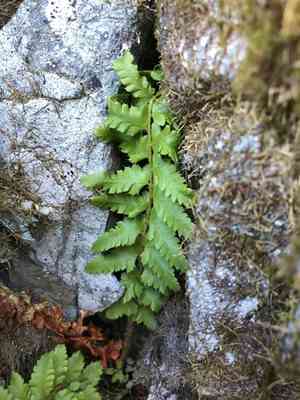
Anderson's holly fern flourishes most effectively when relocated between late spring and early summer, as this timeframe reduces shock. Select a site that is shaded, damp, and drains properly for peak development. Should it be required, supply plenty of water right after the move to guarantee successful rooting.
Preparations Required Before Relocating Anderson's Holly Fern
Optimal Period for Relocating Anderson's Holly Fern?
Relocate anderson's holly fern from late spring to early summer; this timeframe promotes excellent root development and robust growth. Warmer ground temperatures and extended daylight hours allow the fern to adapt and flourish. This timing reduces transplant shock, ensuring the perennial establishes well before harsh weather arrives.
Recommended Spacing Between Anderson's Holly Fern Plants?
When replanting anderson's holly fern, ensure a distance of 18-24 inches (45-60 cm) between them. This spacing provides ample room for growth and guarantees sufficient air circulation, which helps prevent disease.
Ideal Soil Blend for Anderson's Holly Fern Relocation?
Utilize a soil mixture that drains well and is rich in organic material for anderson's holly fern. Incorporating compost or aged manure will enhance soil fertility. A balanced, slow-release base fertilizer will give your young plants an excellent start.
Preferred Location for Your Anderson's Holly Fern?
Select a shaded to partially shaded spot for anderson's holly fern, as they thrive best in low light conditions. Excessive direct sunlight can harm their delicate fronds. An area with filtered light or consistent shade throughout the day is perfect.
Equipment to Prepare Before Relocating Anderson's Holly Fern
Gardening Gloves
To safeguard your hands while handling soil and plants.
Trowel or Spade
For excavating around and beneath the plant's root ball.
Watering Can or Hose
To thoroughly hydrate the plant before and after its move.
Pruning Shears
To trim any damaged or excess roots.
Transplanting Fertilizer
To supply nutrients that will aid the plant's establishment in its new site.
Wheelbarrow or Garden Cart
To move the plant if it is large or heavy.
How to Extract Anderson's Holly Fern from the Soil?
How to Extract Anderson's Holly Fern from the Soil?
From Ground: First, moisten the soil around the anderson's holly fern plant by watering it. Next, dig a wide trench around the plant with a trowel or spade, ensuring the root ball remains intact. Carefully work the spade beneath the root ball to lift the plant from its original spot.From Pot: Water the anderson's holly fern plant thoroughly several hours prior to transplanting. Gently tap the pot's sides to loosen the soil. Hold the plant's base, turn the pot sideways, and slide the plant out, supporting the root ball with your hand.From Seedling Tray: Water the anderson's holly fern seedlings to keep the soil damp but not overly wet. Carefully use a trowel to lift the seedlings from the tray, ensuring the root systems remain as intact as possible.
Step-by-Step Guide for Relocating Anderson's Holly Fern
Site Preparation
Before relocating, prepare the ground at the new site. Dig a hole twice as wide but only as deep as the anderson's holly fern's root ball. Adjust the size if needed to ensure the root ball fits snugly without being cramped.
Transporting the Plant
Carefully move the anderson's holly fern to its new location, using a wheelbarrow or garden cart if necessary. Handle the plant gently to prevent root damage.
Planting
Position the anderson's holly fern in the center of the prepared hole. The top of the root ball should be level with or slightly above the surrounding soil. Orient the plant straight, then gently backfill with soil, lightly patting it down to remove air pockets.
Watering
Thoroughly water the relocated anderson's holly fern immediately after planting. Ensure the water reaches the root zone to help settle the soil around the roots.
Fertilizing
Apply a transplanting fertilizer according to the manufacturer's directions to provide essential nutrients that will support root establishment and growth.
Post-Relocation Care for Anderson's Holly Fern
Watering
Maintain consistent moisture in the soil around the anderson's holly fern, avoiding sogginess, for the initial weeks after relocation to aid in strong root development.
Mulching
Apply a layer of mulch around the plant's base to retain soil moisture, stabilize temperature, and reduce weed competition.
Monitoring
Observe the plant for indications of transplant shock, such as wilting, yellowing foliage, or stunted growth. Adjust care practices as needed, like providing more water or shade.
Pruning
As the anderson's holly fern establishes itself in its new spot, trim any damaged or dead fronds to encourage healthy growth and lessen plant stress.
Resolving Common Issues with Anderson's Holly Fern Relocation.
When is the best time to relocate anderson's holly fern?
The ideal period to relocate anderson's holly fern is in late spring or early summer for optimal outcomes.
What spacing should I maintain between anderson's holly fern plants?
Ensure a distance of 18 to 24 inches (45 to 60 cm) between each anderson's holly fern plant.
What soil conditions are necessary for anderson's holly fern?
Anderson's holly fern thrives in well-draining, slightly acidic to neutral soil. Amend soil if required.
How should I prepare the soil for anderson's holly fern relocation?
Loosen the soil to a depth of approximately 10 inches (25 cm) and incorporate compost for nutrients.
How can I prevent transplant shock for anderson's holly fern?
Water thoroughly before and after relocation. Minimize root disturbance during the process.
Anderson's holly fern leaves are wilting after relocation. What should I do?
Ensure the plant is adequately watered and shielded from direct sunlight until it recovers.
How do I safeguard anderson's holly fern from pests after relocation?
Utilize organic mulch and inspect regularly for pests. Manually remove any pests discovered.
Is pruning necessary for anderson's holly fern after relocation?
Pruning is generally not required, but you can remove any damaged fronds to stimulate new growth.
What is the optimal depth for relocating anderson's holly fern?
Plant anderson's holly fern at the same depth it was in its original container to prevent stress.
How frequently should I water anderson's holly fern after relocation?
Water anderson's holly fern consistently, keeping the soil moist but not waterlogged, especially during the initial weeks.



