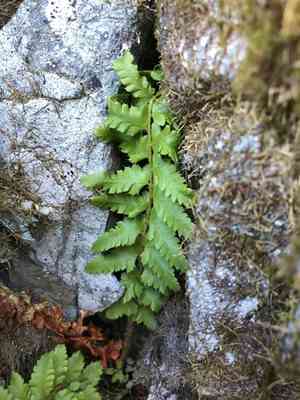
Anderson's holly fern (Polystichum andersonii)
Also known as: Anderson's shield fern
The **Anderson's holly fern** is a hardy perennial that prospers in the dappled light of temperate forests. Its fronds, which can grow up to a meter long, form an elegant vase-like shape. The dark green, lance-shaped fronds have small overlapping leaflets, with the underside featuring rows of spore-producing sori. This resilient fern thrives in the cool forest undergrowth, enhancing the diversity of the forest's understory.
In This Article
Attributes of Anderson's holly fern
Lifespan
Perennial
Plant Type
Fern
Plant Height
60-120 cm
Spread
60-90 cm
Leaf Color
Dark green
Flower Size
N/A - does not produce flowers
Flower Color
N/A - does not produce flowers
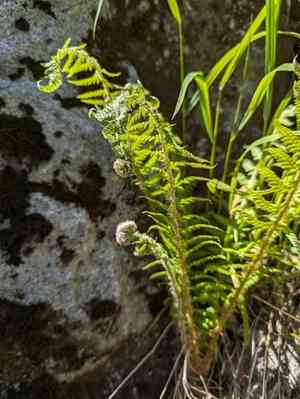
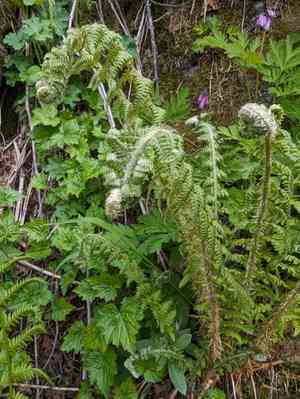
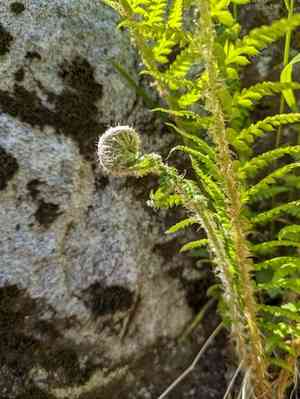
Images of Anderson's holly fern
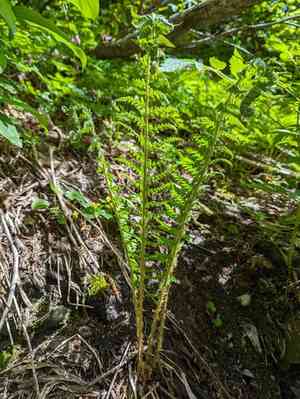
Quickly Identify Anderson's holly fern
1
To identify Polystichum andersonii, look for its distinctive fronds which are pinnately divided and have glossy, dark green foliage. The sori (spore clusters) are typically found on the underside of the fronds and are covered by round, peltate indusia.
Scientific Classification of Anderson's holly fern
Phylum
Vascular plants
Class
Ferns
Order
Polypodiales
Family
Wood fern
Genus
christmas dagger
Species
Anderson's holly fern
Planting and Growing of Anderson's holly fern
Care Difficulty
Moderate
Watering Schedule
Every 2 days
Sunlight Requirements
Partial sun
Sunshine Duration
4-8 hours
Ideal Temperature
60-75℉
Soil Type
Potting Mix, Peat Mix
Soil pH
6-7.5
Fertilizer Type
Balanced
Pruning Season
Spring, Summer
Pruning Area
Branches, Leaves
Pruning Frequency
2 times a year
Repotting Season
Spring
Pot Type
Plastic, Ceramic
 How to Water Anderson's holly fern?
When watering Polystichum andersonii, provide approximately 250 ml of water. This amount ensures that the soil becomes evenly moist without becoming waterlogged. The goal is to mimic natural rainfall, ensuring the water reaches the roots but doesn't pool excessively, which can lead to issues.
What are the symptoms of an underwatered Anderson's holly fern?
›
What should I do if my Anderson's holly fern is not getting enough water?
›
What are the symptoms of an overwatered Anderson's holly fern?
›
How to save an overwatered Anderson's holly fern?
›
 What Are the Sunlight Requirements for Anderson's holly fern?
Polystichum andersonii benefits from partial sun to full shade, ensuring robust growth and deeper green foliage. Proper light balance enhances resilience and pest resistance.
What is the ideal light level for Polystichum andersonii?
›
How to achieve ideal sunlight conditions?
›
Benefits of optimal light conditions?
›
 What Is the Ideal Temperature Range for Anderson's holly fern?
Polystichum andersonii thrives best in temperatures ranging from 60°F to 75°F. This range provides optimal conditions for photosynthesis and overall growth, ensuring the plant maintains its vitality and lush appearance. Maintaining consistent temperatures within this range helps prevent stress and encourages healthy development.
 What Soil is Best for Anderson's holly fern?
Polystichum andersonii thrives in soil that retains moisture efficiently. The presence of loam and sandy loam aids in maintaining adequate moisture levels, preventing the plant from drying out quickly, which is crucial for its lush, green appearance. This plant benefits greatly from soil rich in organic matter. Loamy soils provide a balanced mix of sand, silt, and clay, offering essential nutrients that help in robust growth and vibrant foliage. Soil with good aeration ensures roots receive ample oxygen, vital for Polystichum andersonii's health. Sandy loam, in particular, facilitates excellent air exchange within the root zone, supporting optimal growth conditions.
 How to Fertilize Anderson's holly fern?
For Polystichum andersonii, the appropriate amount of fertilizer is crucial to ensure its healthy growth. Generally, you should apply a balanced, all-purpose liquid fertilizer at half the strength recommended on the label. This approach minimizes the risk of over-fertilizing, which can damage the plant's delicate roots.
 How to Prune Anderson's holly fern?
Begin by identifying any fronds that are yellowing, brown, or damaged. These should be your primary targets for removal, as they can sap nutrients from healthier parts of the plant. Gently trace each frond to its attachment point at the base. Cut fronds close to the base but ensure not to damage the new growth. Follow the natural curve of the frond to make a clean cut that mirrors its growth. This helps maintain the plant's aesthetic and minimizes stress. If the fern becomes too dense, thin out some of the lesser healthy fronds to improve air circulation. This allows sunlight to penetrate the plant evenly and decreases the risk of mold and mildew developing.
More About Pruning Techniques→
 How to Propagate Anderson's holly fern plant?
1
Water the fern thoroughly the day before you plan to divide it. This ensures the plant is hydrated and increases the resilience of the roots during division.
2
Using a garden fork or spade, carefully dig around the base of the plant and lift it from the ground, taking care not to damage its root system.
3
Use a sharp knife to divide the plant into sections, each containing healthy fronds and a portion of the root system. Ensure each division remains intact and undamaged.
 How to Repot Anderson's holly fern plant?
1
Polystichum andersonii should be repotted when roots start poking out from the bottom or the plant appears root-bound. Typically, this occurs every 2 to 3 years or when growth seems stunted. Repotting during active growth seasons like spring or early summer can help the plant recover swiftly.
2
Select a pot that is a couple of inches larger in diameter than the current one to provide ample space for growth. It's crucial that the pot has drainage holes to prevent waterlogging, which could lead to root rot. The material of the pot should allow some breathability, like terracotta, which helps in regulating moisture.
3
Use a well-draining, rich mix that mimics the plant’s natural forest floor habitat. A combination of peat, perlite, and compost works well. Such a blend ensures good drainage while providing essential nutrients, helping Polystichum andersonii thrive in its new environment.



