How to Propagate Anderson's holly fern?
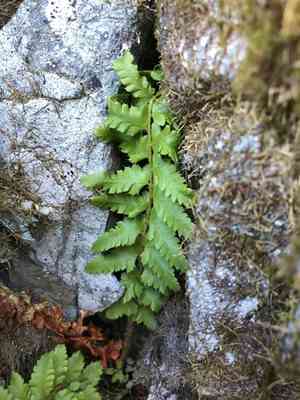
Originating from the Pacific Northwest, anderson's holly fern flourishes in dim locations with adequately draining, damp earth. For propagation, employ separation during the plant's inherent resting phase to guarantee peak development. Every separated portion ought to possess a robust root structure and multiple leaves. Replant without delay in comparable ground conditions, ensuring the new sections are suitably distanced to accommodate full-sized growth.
When Is the Best Time to Propagate Anderson's Holly Fern?
Propagation Type
Division
Propagation Season
Spring,Autumn
What Tools Are Used in Anderson's Holly Fern Propagation?
Sharp Spade or Shovel
A sharp spade or shovel is crucial for dividing anderson's holly fern. It's used to carefully dig up and separate fern clumps without harming roots. Its sharp edge ensures clean cuts, vital for minimizing stress and potential infection points on divided segments.
Gardening Gloves
Gardening gloves are important for protecting hands while handling anderson's holly fern. They provide a good grip and prevent injuries from spade mishandling or root friction during division. Additionally, gloves help keep hands free from dirt and possible irritants found in the soil.
Pruning Shears
Pruning shears are used to trim any damaged or dead fronds from anderson's holly fern before and after division. This maintains plant health by ensuring only strong, healthy fronds contribute to the plant's energy needs, thus supporting robust new growth.
Root Division Knife
A root division knife is a specialized tool for dividing root systems of plants like anderson's holly fern. This tool makes precise cuts through tough roots, aiding in clean, effective separation of the clump into viable new plants. It reduces root trauma, promoting quicker recovery and growth.
Watering Can with Fine Rose
Ensuring that divided anderson's holly fern plants are adequately watered without soil erosion is critical. A watering can with a fine rose delivers a gentle, even spray that helps settle the soil around the newly planted divisions and encourages root establishment without washing away the soil.
Sterilizing Solution
To prevent disease spread, it's important to sterilize tools before and after use. A sterilizing solution cleans tools like spades, knives, and shears, ensuring they're free of pathogens that could infect anderson's holly fern during the delicate propagation process.
Mulching Material
Mulch is applied around the base of divided anderson's holly fern plants to retain moisture, regulate soil temperature, and suppress weeds. This helps create a stable environment that supports the growth and health of the new divisions.
Pots or Containers
If propagating anderson's holly fern in pots, choose containers with good drainage. They are necessary for housing the newly divided plants, providing a controlled environment where the plants can establish roots before being transplanted into the garden. Ensure each container is appropriately sized for the segment.
How to Propagate Anderson's Holly Fern?
Propagation Type
Easy
How to Care for Your Newly Propagated Anderson's Holly Fern?
How to Care for Your Newly Propagated Anderson's Holly Fern?
After propagating anderson's holly fern, ensure new plants are kept in a shaded or partially shaded location to mimic their natural forest understory habitat. Maintain consistent soil moisture, avoid direct sunlight, and regularly check for pest infestations such as slugs. Fertilize lightly during the growing season with a balanced fertilizer to support new growth, and prune any damaged fronds to encourage healthy development.
Common Mistakes to Avoid When Propagating Anderson's Holly Fern
Incorrect Soil Type
Using soil that is too heavy or not well-draining can cause root rot, stunting the plant's growth and propagation.
Overwatering
Providing too much water can lead to root rot and other water-related diseases, hindering successful propagation.
Wrong Light Conditions
Placing anderson's holly fern in direct sunlight can scorch its leaves, as it prefers shaded or partially shaded environments.
Improper Division
Dividing the plant incorrectly or too aggressively can damage the roots, making it harder for the new plants to establish.
Ignoring Humidity
Failing to maintain adequate humidity levels can cause the fern to dry out, affecting its overall health and propagation success.
Tips For Propagating Anderson's Holly Fern
Use Well-Draining Soil
Select a light, well-draining soil mix to prevent water stagnation and root rot, ensuring healthier plant development.
Maintain Optimal Moisture
Keep the soil evenly moist but not waterlogged, using moderate watering practices to support steady growth.
Provide Filtered Light
Place anderson's holly fern in a spot with filtered light or partial shade for optimal growth, avoiding direct sunlight which can damage the foliage.
Careful Division
When propagating by division, use clean, sharp tools and ensure that each division has a healthy portion of rhizome and leaves to support new growth.
Increase Humidity
Use a humidity tray or a room humidifier to maintain a high humidity level around the plant, preventing the leaves from drying out and ensuring better propagation success.



