How to Transplant Beardless rabbit's-foot grass?
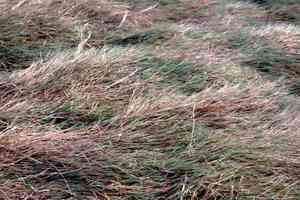
For beardless rabbit's-foot grass, transplanting between early and late spring, when its growth is most vigorous and severe weather subsides, guarantees optimal rooting. Select locations with sufficient hydration. Should it be required, amend the soil to enhance its health after moving.
What Preparations are Needed Before Transplanting Beardless Rabbit's-foot Grass?
What is the Ideal Time for Transplanting Beardless Rabbit's-foot Grass?
The optimal period for relocating beardless rabbit's-foot grass is during the vigorous growth phase of early to late spring. This timing allows roots to establish before intense heat. It's when nature awakens, making it perfect for beardless rabbit's-foot grass to acclimate to new spots. By selecting this season, you provide beardless rabbit's-foot grass with the full advantage of spring's mild temperatures and increasing daylight, which greatly aids strong root development and plant resilience. Moving beardless rabbit's-foot grass now enables it to flourish, promising a season of lush beauty.
How Much Space Should You Leave Between Beardless Rabbit's-foot Grass Plants?
When arranging your beardless rabbit's-foot grass, aim for a separation of approximately 6-8 inches (15-20 cm) between each plant. This will provide them sufficient room to thrive without competing for nutrients!
What is the Best Soil Mix for Beardless Rabbit's-foot Grass Transplanting?
For your beardless rabbit's-foot grass, well-drained loamy soil is most suitable. Enriching the planting area with a balanced, slow-release fertilizer will help your plant get a strong start. Incorporate it into the soil prior to transplanting!
Where Should You Relocate Your Beardless Rabbit's-foot Grass?
Your beardless rabbit's-foot grass will flourish in an area that receives partial to full sunlight. Ensure the spot gets a good balance of sun and shade throughout the day for optimal growth.
What Equipments Should You Prepare Before Transplantation Beardless Rabbit's-foot Grass?
Gardening Gloves
To safeguard your hands while handling soil and plants.
Shovel or Spade
To excavate around and beneath the plant's root ball for removal.
Watering Can
To pre-moisten the plant before extraction and for post-transplant irrigation.
Measuring Tape
To assist in determining the appropriate depth and width for the new hole where beardless rabbit's-foot grass will be relocated.
Wheelbarrow or Garden Cart
To transport the dug-up beardless rabbit's-foot grass to its new site.
Gardening Trowel
For detailed digging and planting tasks, especially useful in confined areas.
Pruning Shears
To trim any damaged roots or foliage if necessary.
Mulch
To apply around the base of the beardless rabbit's-foot grass after transplanting to maintain soil moisture.
How Do You Remove Beardless Rabbit's-foot Grass from the Soil?
How Do You Remove Beardless Rabbit's-foot Grass from the Soil?
From Ground: Start by thoroughly hydrating the beardless rabbit's-foot grass to facilitate its removal. Dig a circular trench around the plant with your shovel or spade, leaving ample space to avoid harming the root ball. Once the trench is complete, angle your tool under the root ball and gently lift to extract the plant from the ground.From Pot: Gently tap the pot's sides to loosen the soil. Carefully invert the pot while supporting the beardless rabbit's-foot grass at its base with your other hand. Ease the root ball out of the pot, taking care not to yank the plant, which could damage the roots.From Seedling Tray: Moisten the soil in the tray to prevent root breakage. Use a gardening trowel or your fingers to gently separate the individual beardless rabbit's-foot grass seedling from its compartment, ensuring the roots and surrounding soil remain intact.
Step-by-Step Guide for Transplanting Beardless Rabbit's-foot Grass
Preparation
Gather all your implements and ensure the new location is ready beforehand to minimize the time beardless rabbit's-foot grass spends out of the ground. Have enough water available to hydrate the plant before removal and after planting it in its new spot.
Root Ball Protection
When extracting beardless rabbit's-foot grass from its current position, make sure to keep the root ball as intact as possible. This lessens stress on the plant and ensures a smoother transition to its new home.
Hole Dimensions Excavation
Dig a hole at the new site that is twice the root ball's width and equally deep. This will provide beardless rabbit's-foot grass's roots ample space to spread and ensures it will be planted at the same level it was previously growing.
Plant Transplantation
Position beardless rabbit's-foot grass in the center of the new hole, spread the roots out evenly, and backfill with soil. Gently firm the soil around the plant to eliminate air pockets, but avoid compacting it, as this can hinder root growth.
Watering Immediately
Water beardless rabbit's-foot grass thoroughly right after transplanting. This will help settle the soil and remove any remaining air pockets. It also supplies essential moisture for the roots.
Support Installation
If beardless rabbit's-foot grass is particularly tall or top-heavy, consider installing a stake or support to help it remain upright until its roots have taken hold and can adequately support the plant on their own.
How Do You Care For Beardless Rabbit's-foot Grass After Transplanting?
Monitoring
Regularly check on beardless rabbit's-foot grass, especially during the initial weeks, to ensure it is adapting well to its new location. Look for any signs of distress, such as wilting or discolored leaves, which could indicate an issue needing attention.
Gentle Feeding
After approximately one month, you can apply a mild, balanced fertilizer to encourage healthy growth. Avoid doing this immediately after transplanting, as the roots are still delicate and adjusting.
Mulching
Apply a layer of mulch around the base of beardless rabbit's-foot grass to help retain soil moisture, regulate soil temperature, and reduce weed competition. Be careful not to pile the mulch against the plant's stem, as this can cause rot.
Regular Watering
Maintain consistent moisture (without overwatering) to support beardless rabbit's-foot grass as it establishes in its new location. Check the soil moisture frequently, as needs may vary depending on weather conditions.
Troubleshooting Common Issues with Beardless Rabbit's-foot Grass Transplantation.
What's the best time to transplant beardless rabbit's-foot grass?
Optimal times are during the mild warmth of early to late spring, promoting vigorous growth.
How far apart should I space beardless rabbit's-foot grass when transplanting?
Aim for a leaf's length apart, about 6-8 inches (15-20 cm), to give each plant ample room.
Can beardless rabbit's-foot grass be transplanted in strong sunlight?
Relocate beardless rabbit's-foot grass on an overcast day or in the cooler evening to prevent sun shock.
What soil type is best for transplanting beardless rabbit's-foot grass?
Select a well-draining soil, rich in organic matter to provide beardless rabbit's-foot grass a healthy start.
How deep should the hole be for transplanting beardless rabbit's-foot grass?
Dig a hole twice the root ball's width and the same depth to ensure stability and growth.
How should I water beardless rabbit's-foot grass after transplanting?
Water generously right after transplanting to settle the soil and reduce transplant stress.
What should I do if beardless rabbit's-foot grass wilts post-transplant?
Provide shade and keep the soil moist for a few days to help beardless rabbit's-foot grass recover.
Should I fertilize beardless rabbit's-foot grass immediately after transplanting?
Wait until beardless rabbit's-foot grass is established before fertilizing to avoid overwhelming the roots.
What signs of overwatering should I look for in beardless rabbit's-foot grass?
Yellowing leaves and soggy soil are clear indicators; allow the soil to dry out slightly between watering.
Can I transplant beardless rabbit's-foot grass when it's flowering?
Transplant before flowering for less stress on beardless rabbit's-foot grass, ensuring better establishment in the new location.



