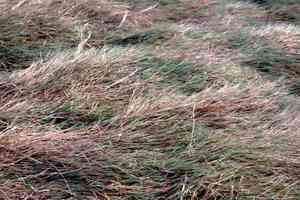
Beardless rabbit's-foot grass (Polypogon viridis)
Also known as: Water beard grass, Annual beardgrass
Polypogon viridis, also known as beardless rabbitsfoot grass, is a perennial grass species native to Eurasia and North Africa. It has been widely introduced to North America. This grass thrives in wet environments, commonly establishing itself in marshy or sandy soils.
In This Article
Attributes of Beardless rabbit's-foot grass
Lifespan
Perennial
Plant Type
Grass
Plant Height
10 cm to 75 cm
Spread
Not typically applicable as this is a grass, but can spread more horizontally in dense clumps
Leaf Color
Green
Flower Size
1 mm
Flower Color
Yellow Green Brown
Images of Beardless rabbit's-foot grass
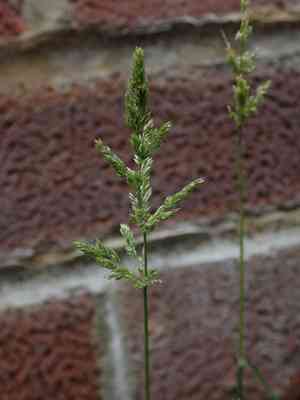
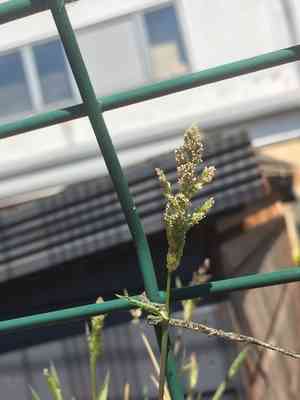
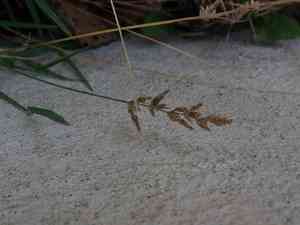
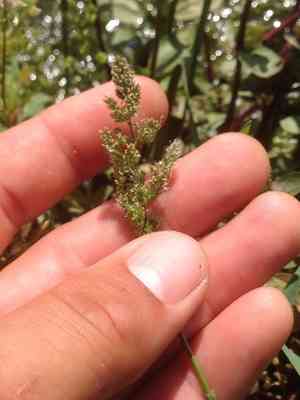
Quickly Identify Beardless rabbit's-foot grass
1
Polypogon viridis can be identified by its green to greenish-yellow inflorescences that form dense, spike-like clusters. The grass has slender, smooth stems and narrow leaves. The panicles are often densely packed with small spikelets.
Scientific Classification of Beardless rabbit's-foot grass
Phylum
Vascular plants
Class
Monocotyledons
Order
Poales
Family
Grass
Genus
Beard grasses
Species
Beardless rabbit's-foot grass
Planting and Growing of Beardless rabbit's-foot grass
Care Difficulty
Easy
Watering Schedule
Every 4 days
Sunlight Requirements
Partial sun
Sunshine Duration
4-6 hours
Ideal Temperature
59-77℉
Soil Type
Potting Mix, Peat Mix
Soil pH
6.5-7.5
Fertilizer Type
Balanced
Pruning Season
Spring, Summer
Pruning Area
Branches, Leaves
Pruning Frequency
2 times a year
Repotting Season
Spring
Pot Type
Ceramic, Plastic
 How to Water Beardless rabbit's-foot grass?
For Polypogon viridis, water it thoroughly until it begins to drain from the bottom of the pot. This usually equates to approximately 200ml of water per session, depending on the pot size and soil retention. Use the 'finger test' to check moisture two inches deep to determine if the next watering is needed.
What are the symptoms of an underwatered Beardless rabbit's-foot grass?
›
What should I do if my Beardless rabbit's-foot grass is not getting enough water?
›
What are the symptoms of an overwatered Beardless rabbit's-foot grass?
›
How to save an overwatered Beardless rabbit's-foot grass?
›
 What Are the Sunlight Requirements for Beardless rabbit's-foot grass?
Partial sun involves half-day exposure, offering Polypogon viridis balanced light conditions for optimal growth and foliage development, reducing risks of sun stress or light deprivation.
Optimal Sunlight Hours
›
Location for Planting
›
Seasonal Adjustments
›
 What Is the Ideal Temperature Range for Beardless rabbit's-foot grass?
The ideal temperature range for Polypogon viridis is between 59°F and 77°F. This range provides optimal conditions for growth and photosynthesis, ensuring the plant's cellular processes function efficiently. Maintaining this temperature helps in promoting healthy and vigorous growth.
 What Soil is Best for Beardless rabbit's-foot grass?
Polypogon viridis thrives best in well-drained soil, allowing excess water to drain away from the roots. Ensuring proper drainage helps prevent root rot and enhances the plant's overall health and growth vigor. This plant benefits greatly from a nutrient-rich soil composition. Providing organic matter enriches the soil’s fertility, thereby supporting the plant’s robust development and enhancing its resistance to diseases. While drainage is important, maintaining adequate soil moisture is key for Polypogon viridis. A balance of moisture retention without waterlogging helps the plant remain hydrated, particularly during dry spells.
 How to Fertilize Beardless rabbit's-foot grass?
For Polypogon viridis, use a balanced liquid fertilizer at the rate recommended on the label, typically around 5 ml per liter of water, for best results. Avoid over-fertilizing as it can lead to salt buildup in the soil.
 How to Prune Beardless rabbit's-foot grass?
Before pruning, analyze the plant's structure to ensure you cut only unnecessary or unhealthy parts. Clear away any obstructive elements to get a clear view. Begin by removing any dead, damaged, or diseased parts of the plant. This encourages healthy growth by directing energy toward the sprightly sections. Aim to shape the plant by trimming it to your desired height while ensuring you do not cut more than one-third of its total growth at any one time. Assess your work for balance and symmetry, making the final green corrections and tidies as needed to enhance the plant's overall appearance.
More About Pruning Techniques→
 How to Propagate Beardless rabbit's-foot grass plant?
1
Collect mature seeds from Polypogon viridis and gently clean them. Then, treat the seeds with a fungicide to prevent rot and ensure healthy germination.
2
Fill seed trays with a quality mix and sow seeds evenly across the surface. Lightly cover with soil and water gently to ensure good contact with the soil.
3
When the plant is mature, carefully dig it up and use a sharp knife to divide the root mass into several smaller sections, ensuring each section has roots and shoots. Replant immediately.
 How to Repot Beardless rabbit's-foot grass plant?
1
Polypogon viridis should be repotted when you notice roots coming out of the drainage holes or if the plant becomes root-bound. Signs like these typically suggest that the plant has outgrown its current container. This generally occurs every 1 to 2 years. Additionally, if the soil compacts or shows signs of nutrient depletion, it's a cue for repotting.
2
Select a pot that is one size larger than the current one, with ample drainage holes. A slightly bigger pot allows the roots to spread comfortably and helps prevent overwatering by facilitating proper drainage. Opting for a well-ventilated pot, like terracotta, can also help the soil dry out between waterings, beneficial for preventing root rot.
3
Use a well-draining potting mix to repot Polypogon viridis. A blend that incorporates sand or perlite will provide good aeration and prevent waterlogging, thus ensuring the roots remain healthy. The excellent drainage properties of the soil also help in maintaining an optimal moisture level, essential for the plant's growth.



