The Beardless rabbit's-foot grass Plant Advantage: Maximizing Home and Office Appeal and Wellness
1
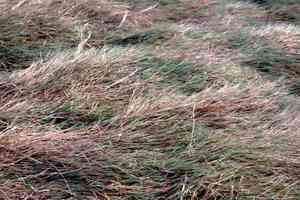
Beardless rabbit's-foot grass aids in securing soil because of its robust root structure.
2
This species is superb for decorative uses and garden planning.
3
Beardless rabbit's-foot grass thrives in moist conditions, making it suitable for saturated zones.
What Makes Beardless rabbit's-foot grass Special?
Adaptability to Various Environments
Beardless rabbit's-foot grass is renowned for its capacity to adjust to diverse environmental settings, particularly damp and waterlogged locales. This trait renders it an invaluable plant for areas experiencing heavy rainfall or poor drainage. Its ability to flourish in both full sun and partial shade further enhances its versatility.
Aesthetic Appeal
A prominent characteristic of Beardless rabbit's-foot grass is its visual charm. Frequently utilized in decorative gardens and landscapes, this plant's rich green foliage and graceful growth pattern make it a favored option for adding natural beauty to any environment. Its appealing look can elevate the aesthetic quality of gardens, making it a top choice among landscape designers.
Environmental Benefits
Soil Stabilization
Beardless rabbit's-foot grass plays a vital role in stabilizing soil. Its robust root system binds the earth, preventing erosion, especially in areas prone to water runoff. This makes it an excellent choice for eco-friendly landscaping projects aimed at preserving topsoil and maintaining land integrity.
Ecosystem Support
Beyond stabilizing soil, Beardless rabbit's-foot grass contributes to supporting local ecosystems. The plant offers habitat and sustenance for various insects and small organisms, thereby fostering biodiversity. Its continued growth and presence can enhance the ecological balance of the region.
How Can You Utilize Beardless rabbit's-foot grass in Your Garden?
Landscaping and Ornamental Use
Given its attractive structure and growth habits, Beardless rabbit's-foot grass is frequently employed in decorative gardening. It can be integrated into borders, pathways, and garden beds to establish a lush, green backdrop. The plantâs buoyant appearance adds a graceful element to landscape designs, making it ideal for enhancing aesthetic value.
Wetland Restoration Projects
Beardless rabbit's-foot grass is also an excellent selection for wetland restoration initiatives. Its capacity to thrive in moist conditions means it can be used to effectively rehabilitate soggy or poorly-drained areas. Planting Beardless rabbit's-foot grass in such regions helps manage excess water and restore the natural water balance, making it a valuable component in ecological landscaping.
Practical Tips for Growing Beardless rabbit's-foot grass
Ideal Growing Conditions
Beardless rabbit's-foot grass prefers moist to wet soil conditions, making it well-suited for areas with ample water supply. While it can adapt to various light conditions, providing it with partial shade can help optimize its growth. Regular watering and occasional fertilization can enhance its health and appearance.
Maintenance
Maintaining Beardless rabbit's-foot grass is relatively straightforward. It requires minimal pruning and can be allowed to grow naturally. However, periodic trimming can help maintain its form and prevent it from becoming too invasive. Monitoring for pests and diseases is also advisable to ensure the plant remains healthy.
Why Choose Beardless rabbit's-foot grass for Sustainable Landscaping?
Low Maintenance
A primary reason for selecting Beardless rabbit's-foot grass for sustainable landscaping is its minimal maintenance requirement. Once established, it needs little intervention, making it a cost-effective option for long-term landscaping projects. Its natural resilience reduces the need for frequent upkeep.
Environmental Responsibility
Incorporating Beardless rabbit's-foot grass into your landscaping is a step towards environmental responsibility. Its benefits, such as soil stabilization and ecosystem support, contribute to a healthier environment. Using this plant in your garden or landscape project demonstrates a commitment to sustainability and ecological preservation.



