How to Transplant Sea knotgrass?
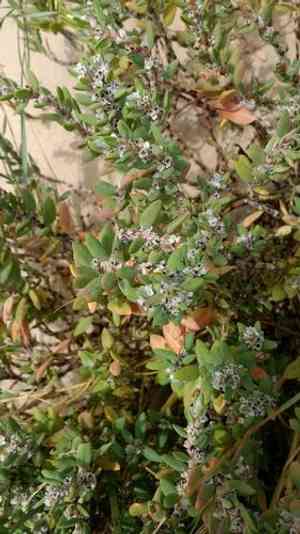
The optimal period for relocating sea knotgrass is from the gentle warmth of late spring into the lively stretch of early summer. Select a bright spot with soil that drains effectively. At this time, sea knotgrass can establish a strong root system, ensuring a higher likelihood of vigorous development.
What Preparations are Needed Before Transplanting Sea Knotgrass?
What is the Ideal Time for Transplanting Sea Knotgrass?
The perfect time for moving sea knotgrass is at the start of spring, transitioning into summer. This period utilizes the mild weather, ensuring roots establish before hot periods. This timing gives the plant a good chance to flourish, benefiting from longer days for photosynthesis and moderate temperatures for easy adjustment. The warmth promotes root development while the soil remains damp, which is crucial for sea knotgrass's successful relocation and subsequent growth.
How Much Space Should You Leave Between Sea Knotgrass Plants?
Hello, gardening enthusiast! When preparing to rehome your sea knotgrass, aim for a spacing of approximately 6-12 inches (15-30 cm) between them. This comfortable distance allows them to thrive without becoming overly crowded.
What is the Best Soil Mix for Sea Knotgrass Transplanting?
Your sea knotgrass is quite the coastal plant! Prepare a sandy loam or well-draining soil, incorporating a balanced slow-release fertilizer to give your sea knotgrass an excellent start. Consider it a nourishing welcome package for your plant's root system.
Where Should You Relocate Your Sea Knotgrass?
Remember, sea knotgrass loves soaking up the sun, much like a sunbather by the ocean! Select a location where it can receive full sunlight for the majority of the day. Your sea knotgrass will reward you with robust growth and vibrant health.
What Equipments Should You Prepare Before Transplantation Sea Knotgrass?
Shovel or Spade
For excavating the sea knotgrass from its current spot and also for preparing the new planting hole.
Gardening Gloves
To safeguard your hands while handling soil and the plant.
Watering Can or Hose
To hydrate the sea knotgrass before and after relocation to lessen transplant shock.
Wheelbarrow or Plant Sled
To move the sea knotgrass from its original position to the new planting site if the specimen is large.
Pruning Shears
To trim any dead or damaged portions of the sea knotgrass either before or after transplanting.
How Do You Remove Sea Knotgrass from the Soil?
How Do You Remove Sea Knotgrass from the Soil?
From Ground: First, moisten the soil around the sea knotgrass plant. Then, dig a wide trench around the plant using a shovel or spade, ensuring the plant's root ball stays intact. Carefully work the spade beneath the root ball to lift the plant from its original spot.From Pot: Water the sea knotgrass in its container to make the root ball damp and easier to extract. Gently tap the sides and bottom of the pot to loosen the soil. Turn the pot sideways or upside-down, supporting the sea knotgrass as you carefully slide it out.From Seedling Tray: Begin by watering the soil in the tray to ensure the seedlings can be removed easily. Using a spoon or a small tool, gently separate individual sea knotgrass seedlings from their cells, taking care not to harm the delicate roots.
Step-by-Step Guide for Transplanting Sea Knotgrass
Digging the Hole
At the new site, excavate a hole wider than the sea knotgrass's root ball to allow roots to spread. The hole should be as deep as the root ball is tall to prevent the plant's base from sitting too low in the ground.
Inspecting the Root Ball
Examine the sea knotgrass's root ball for any damaged or circling roots and trim as needed to encourage outward growth.
Placing the Plant
Position the sea knotgrass in the center of the hole. The top of the root ball should be level with the ground surface. Backfill around the roots with the excavated soil, pressing gently to remove air pockets.
Watering After Transplant
Thoroughly water the sea knotgrass after planting to settle the soil around the roots and help reduce transplant shock.
Adding Support if Necessary
If the sea knotgrass is large or top-heavy, use stakes and ties to provide support and keep it upright while its roots establish.
How Do You Care For Sea Knotgrass After Transplanting?
Observation
Closely monitor the sea knotgrass for indications of stress such as wilting or discoloration. Adjust care as necessary to resolve any emerging issues.
Watering
Maintain a consistent watering schedule to keep the soil around the sea knotgrass moist, but not waterlogged, as new roots develop.
Mulching
Apply a layer of mulch around the base of the sea knotgrass to retain soil moisture and stabilize soil temperature.
Pruning
Trim any dead or damaged growth to direct the sea knotgrass's energy towards establishing new roots and healthy shoots.
Protection
Shield the sea knotgrass from strong winds or potential threats like pets or wildlife until it is firmly established in its new location.
Troubleshooting Common Issues with Sea Knotgrass Transplantation.
Why is my sea knotgrass wilting after transplanting?
Post-transplant wilting may signal shock from root disturbance or insufficient water. Gently firm the soil and water thoroughly.
What's the best time of year to transplant sea knotgrass?
Relocate sea knotgrass during the mild warmth of late spring to early summer when the soil is warm.
How much space does sea knotgrass need when transplanting?
Allow a comfortable distance of 6-12 inches (15-30 cm) between each sea knotgrass to ensure adequate room for growth.
How deep should the hole be for transplanting sea knotgrass?
Dig a hole twice as wide and the same depth as the root ball to comfortably accommodate sea knotgrass.
What if sea knotgrass leaves turn yellow after transplanting?
Yellow leaves could indicate watering problems or a lack of nutrients. Adjust irrigation and consider a mild fertilizer.
Can sea knotgrass be transplanted on a hot, sunny day?
For a successful transplant, choose an overcast day or evening to prevent stress from intense sun.
Should I prune sea knotgrass before transplanting?
Trimming sea knotgrass can lessen stress on the roots. A light prune will be effective!
Why is my sea knotgrass not growing after transplanting?
Give it some time! Sea knotgrass might be establishing its roots. Ensure proper care and be patient.
What kind of soil is best for transplanting sea knotgrass?
Sea knotgrass thrives in well-draining soil. Incorporate some organic matter to welcome it to its new home.
How often should I water sea knotgrass after transplanting?
Water deeply after transplanting, then maintain moisture without over-saturating. A weekly drink should suffice, depending on weather.



