How to Prune Sea knotgrass?
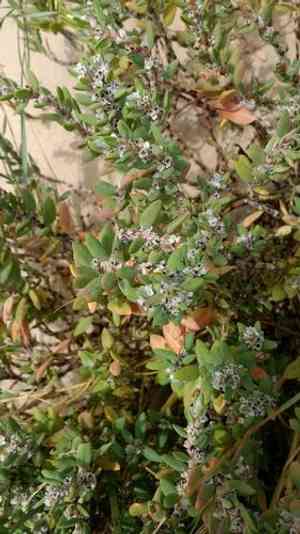
A resilient seaside species, sea knotgrass flourishes in sandy substrates. Perform pruning in late winter or early spring prior to the emergence of new shoots. Snip off any withered or compromised leaves to preserve the plant's vigor and form. Eliminate spent flower stems to foster subsequent flowering. Trimming encourages more compact development, boosts sea knotgrass's resilience to saline conditions, and curtails excessive proliferation. Refrain from severe cutting to safeguard the inherent dune-building characteristic of sea knotgrass.
What Are the Benefits of Pruning Sea Knotgrass?
What Are the Benefits of Pruning Sea Knotgrass?
Trimming sea knotgrass promotes vigorous development and maintains its desired shape. This aids in fostering a robust structure, enabling the plant to flourish and adapt to its coastal habitat.
What Is the Best Time for Pruning Sea Knotgrass?
What Is the Best Time for Pruning Sea Knotgrass?
Trimming or cutting back sea knotgrass during late winter or early spring is considered ideal as it coincides with the plant's dormant phase. During this period, sea knotgrass is not actively growing, making it less susceptible to stress from pruning. This timing allows gardeners to shape the plant and remove any dead or damaged growth without hindering new spring development. It also minimizes the risk of disease or pest infestation, as these are less active in colder months. Furthermore, pruning before the onset of spring growth helps ensure the plant's energy is directed towards producing healthy new foliage and, if applicable, blooms. This encourages a strong growth cycle and contributes to the overall vitality and aesthetic appeal of sea knotgrass.
What Tools Do I Need to Prune Sea Knotgrass?
Bypass Pruners
Perfect for making precise cuts on sea knotgrass, enabling gardeners to selectively trim away dead or overgrown stems without harming the plant's structure.
Garden Scissors
Sea knotgrass may possess smaller, finer stems that require delicate handling, so sharp garden scissors can be utilized for accurate snipping.
Hand Shears
For shaping and managing the growth of sea knotgrass, hand shears offer a good blend of precision and strength, simplifying the management of the plant's mat-forming habit.
How to Prune Sea Knotgrass
Cleanliness
Sanitize pruning implements before starting to prevent the spread of disease to sea knotgrass.
Removal diseased parts
Carefully remove any diseased leaves or branches from sea knotgrass, using sharp shears to make clean cuts without tearing the plant tissue.
Eliminate dead material
Trim away all withered leaves and dead branches from sea knotgrass to encourage healthy growth and improve air circulation.
Thinning
Thin out overcrowded areas by selectively pruning diseased branches to allow light and air to reach the interior of sea knotgrass.
Disposal
Dispose of all removed material far from sea knotgrass to prevent any potential spread of disease or reinfestation.
Common Pruning Mistakes with Sea Knotgrass
Overpruning
A frequent error is removing too much foliage at once, which can stress sea knotgrass and result in weak growth.
Incorrect technique
Using dull or dirty tools can cause jagged cuts that can become infected, hindering sea knotgrass's recovery.
Not pruning at all
Neglecting to prune can lead to sea knotgrass becoming leggy and overgrown, diminishing its overall health and vigor.
Tearing stems
Improperly tearing the stems instead of using a clean cut may damage sea knotgrass more than help it.
Common Pruning Tips for Sea Knotgrass
Sharp tools
Always use sharp, clean pruning shears to ensure clean cuts that sea knotgrass can heal from quickly and efficiently.
Selective thinning
Focus on removing only the necessary stems to shape sea knotgrass and improve air circulation, which helps prevent disease.
Prune for structure
Carefully select which stems to prune to maintain a strong structure and healthy development of sea knotgrass.
Encourage new growth
Light pruning can stimulate new growth, keeping sea knotgrass dense and vibrant.



