How to Transplant Seneca snakeroot?
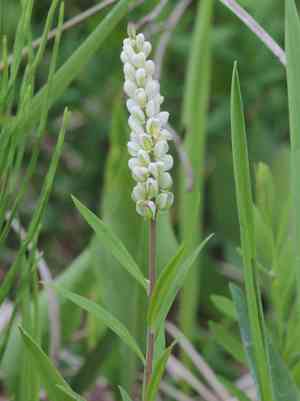
The ideal period for relocating seneca snakeroot is from late spring to early summer, as this provides consistent conditions for establishment. Select a site featuring adequately drained earth and dappled sunlight. It is advisable to amend the substrate prior to transplanting to ensure optimal initial development in its new environment.
What Preparations are Needed Before Transplanting Seneca Snakeroot?
What is the Ideal Time for Transplanting Seneca Snakeroot?
The best time to move seneca snakeroot is from the lively start of spring to the gentle warmth of early summer. This period provides seneca snakeroot with warm soil and stable temperatures, which are vital for root development before the intense summer heat. A helpful tip: transplant when spring's coolness fades but summer's peak hasn't arrived â your seneca snakeroot will flourish!
How Much Space Should You Leave Between Seneca Snakeroot Plants?
Let's prepare seneca snakeroot's new spot! Aim for a comfortable distance of about 12-18 inches (30-46 cm) between each plant. This allows each seneca snakeroot ample room to thrive without overcrowding.
What is the Best Soil Mix for Seneca Snakeroot Transplanting?
For seneca snakeroot, a well-draining, loamy soil will create an ideal environment. Before transplanting, incorporate some aged compost or a balanced slow-release fertilizer to give your seneca snakeroot a nourishing start.
Where Should You Relocate Your Seneca Snakeroot?
These plants love sunlight! Find a location where seneca snakeroot will receive full sun to partial shade. This bright spot will help your seneca snakeroot grow robust and healthy.
What Equipments Should You Prepare Before Transplantation Seneca Snakeroot?
Gardening Gloves
To safeguard your hands while handling soil and plants.
Spade or Shovel
For digging out the plant and preparing the new planting site.
Watering Can or Hose
To hydrate the plant before and after its relocation.
Wheelbarrow
To move the seneca snakeroot if necessary.
Pruning Shears
To trim any damaged roots or foliage prior to transplanting.
Garden Trowel
To adjust the soil around the roots once placed in the new spot.
How Do You Remove Seneca Snakeroot from the Soil?
How Do You Remove Seneca Snakeroot from the Soil?
From Ground: Start by watering the seneca snakeroot to soften the soil. Using a shovel or spade, dig a wide circle around the seneca snakeroot to protect the root ball. Gently loosen the soil around the plant to lift it from the ground, keeping the soil around the roots as intact as possible.From Pot: Water the seneca snakeroot to moisten the soil. Turn the pot on its side and tap the base to dislodge the root ball. If the plant doesn't come out easily, run a garden trowel along the pot's inner edge to help release it.From Seedling Tray: Water the seedlings thoroughly so the soil is damp. Use a spoon or small trowel to carefully scoop out each seneca snakeroot plant, ensuring the root ball and surrounding soil remain together.
Step-by-Step Guide for Transplanting Seneca Snakeroot
Preparation
Gather all necessary tools and ensure your seneca snakeroot is well-hydrated before beginning the transplanting process.
Removing seneca snakeroot
Employ the appropriate removal technique to extract the seneca snakeroot from its current spot, aiming to keep as much soil as possible around its roots.
Hole Preparation
Dig a hole in the desired transplant location for the seneca snakeroot. The hole should be twice as wide and the same depth as the seneca snakeroot's root ball to provide ample space for root expansion.
Plant Positioning
Center the seneca snakeroot in the new hole and adjust it so it sits at the same depth it was previously growing. The top of the root ball should be level with the ground surface.
Refilling Hole
Carefully backfill the hole around the seneca snakeroot with soil. As you fill, gently press the soil down to eliminate air pockets without making it too compact.
Watering
After the seneca snakeroot is in place, water it thoroughly to help settle the soil and remove any remaining air pockets. Watering at this stage is crucial for aiding root recovery and growth.
How Do You Care For Seneca Snakeroot After Transplanting?
Mulching
Apply a layer of organic mulch around the seneca snakeroot to help retain moisture, stabilize soil temperature, and suppress weed growth.
Pruning
Trim any damaged or broken roots and foliage to direct the seneca snakeroot's energy towards establishing new roots.
Observation
Monitor the seneca snakeroot daily for indications of stress, such as wilting or discolored leaves, and intervene if necessary.
Continued Care
Maintain consistent care by checking soil moisture and ensuring the area around the seneca snakeroot is free from competing weeds.
Troubleshooting Common Issues with Seneca Snakeroot Transplantation.
What's the best time to transplant seneca snakeroot?
The optimal period is during the shift from late spring to early summer.
How far apart should seneca snakeroot be spaced when transplanted?
Allow a distance of 12-18 inches (30-46 cm) between plants for sufficient growth room.
What soil conditions favor seneca snakeroot after transplanting?
Plant seneca snakeroot in well-drained soil enriched with organic matter to boost its growth potential.
How deeply should seneca snakeroot be planted during transplantation?
Bury the roots of seneca snakeroot at the same depth it was growing before, ensuring it's firmly seated.
Is sunlight exposure important for seneca snakeroot after transplanting?
Absolutely! Seneca snakeroot thrives in bright sunlight but also benefits from some afternoon shade.
How should I water seneca snakeroot post-transplant?
Provide seneca snakeroot with consistent moisture, especially during the initial weeks following transplantation.
Can seneca snakeroot be transplanted in containers?
Yes! Ensure containers have proper drainage to prevent root rot and simulate natural conditions.
What's the first sign of transplant shock in seneca snakeroot?
Wilting or discolored leaves can signal stress; balanced watering and shade aid recovery.
Should fertilizer be used when transplanting seneca snakeroot?
It's best to wait a few weeks after transplanting before applying a balanced slow-release fertilizer.
How do I prepare seneca snakeroot for winter after transplanting?
As a resilient perennial, seneca snakeroot's roots should survive winter; mulch can offer additional protection.



