How Much Sunlight Do Seneca snakeroot Need?
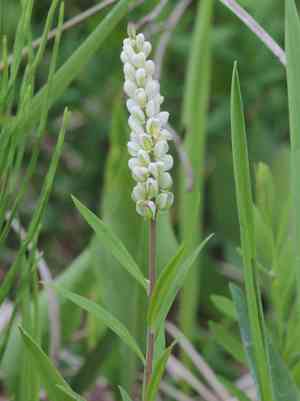
1
Seneca snakeroot flourishes when exposed to a minimum of 6 hours of direct sun each day.
2
Excessive sun exposure can lead to scorched leaves and diminished coloration in Seneca snakeroot.
3
Should your Seneca snakeroot exhibit elongated stems and decreased bloom production, it requires increased light.
Ideal Light Conditions for Seneca Snakeroot
Full Sun vs. Partial Shade
To provide the best illumination for your Seneca snakeroot, understanding the distinction between full sun and partial shade is crucial. Full sun means the plant receives at least six hours of direct sunlight daily. Conversely, partial shade indicates the plant gets sunlight for approximately three to six hours each day. For peak development, Seneca snakeroot prefers full sun but can endure partial shade. This adaptability offers gardeners various planting site options, simplifying its integration into diverse garden designs.
Duration of Light Exposure
The length of light exposure significantly impacts the vitality and health of your Seneca snakeroot. Ideally, this plant should absorb over six hours of sunlight daily to flourish. If you're in an area with intense afternoon sun, consider offering some light cover during peak times, perhaps using shade cloth or positioning it near taller plants. Consistent, sufficient sunlight ensures the Seneca snakeroot maintains its robust growth, vibrant foliage, and delicate blooms.
Indicators of Excessive Sunlight for Seneca Snakeroot
Leaf Scorch and Browning
One primary indication that your Seneca snakeroot might be getting too much sun is leaf burn or scorching. This typically manifests as brown or crispy edges on the leaves. If observed, it may signal a need to relocate the plant to an area with less intense sun exposure or provide it with partial shade, especially during the day's hottest periods.
Diminished Leaf Color
Another clear sign of too much sunlight is dulling leaf colors. If the once vivid leaves of your Seneca snakeroot begin to lose their rich green hue and appear faded or bleached, it's time to re-evaluate its light exposure. Moving the plant to a spot where it avoids harsh midday sun can help restore its natural, vibrant coloration.
Indicators of Insufficient Sunlight for Seneca Snakeroot
Stretched Growth
Stretched growth in your Seneca snakeroot suggests the plant is reaching for light, a clear sign of inadequate sunlight. This thin, elongated development is a survival mechanism and can result in a weaker plant structure. Ensuring your plant receives at least six hours of daily sunlight can prevent this issue and promote healthier, sturdier growth.
Reduced Bloom Production
If your Seneca snakeroot isn't blooming as profusely as expected, insufficient sunlight could be the cause. Flowers require ample light to develop properly, and reduced light exposure can lead to fewer and smaller blooms. To encourage abundant flowering, ensure the plant is positioned to receive adequate sunlight throughout the day.
Optimal Practices for Managing Sunlight for Seneca Snakeroot
Utilizing Shade Cloths
Employing shade cloths is an effective way to manage sunlight for your Seneca snakeroot. These cloths can filter out the most intense sun rays during peak hours, safeguarding the plant from potential sunburn while still allowing ample light for growth. Shade cloths come in various densities; select one that provides the right balance based on your plant's requirements and local climate conditions.
Strategic Placement
Strategic planting is another excellent method to ensure optimal sunlight for Seneca snakeroot. Consider placing the plant where it receives morning sunlight and is shaded during the hottest part of the afternoon. This approach can help prevent issues caused by excessive sunlight while still ensuring the plant gets enough light to thrive.
Seasonal Adjustments
As seasons change, so do the angle and intensity of sunlight. It's crucial to make seasonal adjustments to your Seneca snakeroot's positioning or protection. During summer, providing extra shade might be necessary, while in winter, ensuring maximum sun exposure can help compensate for lower light levels. Observing and responding to these seasonal changes can maintain your plant's health year-round.



