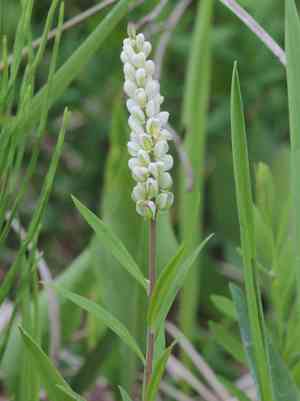
Seneca snakeroot (Polygala senega)
Also known as: Seneca snakeroot, snakeroot, mountain flax
The Seneca snakeroot (Polygala senega) is a plant traditionally important to the Seneca, an indigenous tribe in North America. Named after the Seneca people, this plant was valued for its medicinal uses, especially for treating respiratory issues. In some US states, it is considered endangered, and its cultivation needs are not well-documented.
In This Article
Attributes of Seneca snakeroot
Lifespan
Perennial
Plant Type
Herb
Plant Height
25 cm to 46 cm
Spread
Not applicable, as it is an herbaceous plant
Leaf Color
Green
Flower Size
2.5 cm
Flower Color
White Yellow Green
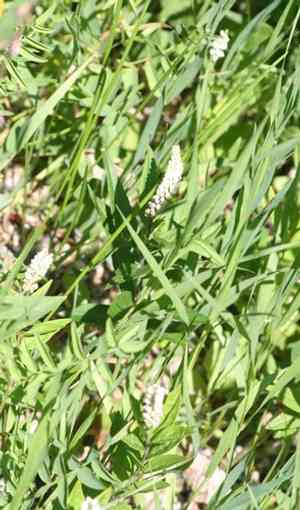
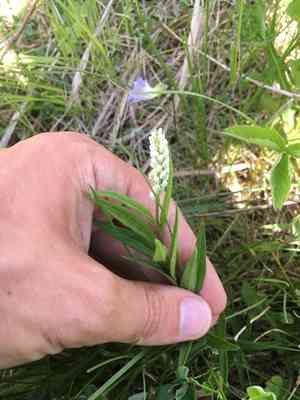
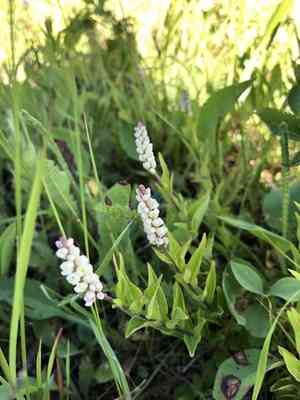
Images of Seneca snakeroot
Quickly Identify Seneca snakeroot
1
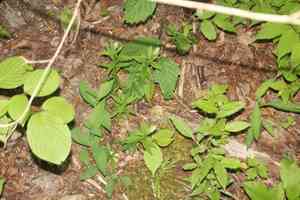
Polygala senega can be identified by its small, white to greenish-white flowers that form dense spikes. The plant has alternate, lance-shaped leaves and a slender, branched stem. The root system is characterized by its knotty, woody roots.
Scientific Classification of Seneca snakeroot
Phylum
Vascular plants
Class
Dicotyledons
Order
Fabales
Family
Milkwort
Genus
Milkworts
Species
Seneca snakeroot
Planting and Growing of Seneca snakeroot
Care Difficulty
Moderate
Watering Schedule
Every 3 days
Sunlight Requirements
Partial sun
Sunshine Duration
6-10 hours
Ideal Temperature
60-75℉
Soil Type
Potting Mix, Peat Mix
Soil pH
6.5-7.5
Fertilizer Type
Balanced
Pruning Season
Spring, Summer
Pruning Area
Branches, Leaves
Pruning Frequency
2 times a year
Repotting Season
Spring
Pot Type
Plastic, Ceramic
 How to Water Seneca snakeroot?
For Polygala senega, ensure the soil is thoroughly moistened to a depth of at least one inch. It’s important not to let the roots sit in water. This plant prefers moist but well-drained soil. When watering, pour approximately 200 ml of water until the topsoil layer feels damp but not waterlogged.
What are the symptoms of an underwatered Seneca snakeroot?
›
What should I do if my Seneca snakeroot is not getting enough water?
›
What are the symptoms of an overwatered Seneca snakeroot?
›
How to save an overwatered Seneca snakeroot?
›
 What Are the Sunlight Requirements for Seneca snakeroot?
Polygala senega ideally enjoys partial sun, thriving with 4-6 hours of sun interspersed with shade. Ideal lighting promotes vibrant blooms and healthy, full foliage, enhancing its natural beauty and resilience.
More About Sunlight Requirements Techniques→
What kind of sunlight does Polygala senega need?
›
How can one ensure Polygala senega receives optimal light?
›
What are the benefits of ideal light exposure for Polygala senega?
›
 What Is the Ideal Temperature Range for Seneca snakeroot?
The ideal temperature range for Polygala senega is between 60°F and 75°F. Maintaining temperatures within this range ensures optimal growth and health of the plant. It supports the biological processes such as photosynthesis and nutrient absorption, allowing the plant to thrive in conditions that mimic its native habitat.
 What Soil is Best for Seneca snakeroot?
Polygala senega requires soil that offers excellent drainage to prevent root rot. Ensuring the soil is neither too compact nor too loose will help maintain ideal moisture levels, promoting healthy growth. This plant thrives in soil that is moderately rich in nutrients. A balance of organic matter in the substrate provides essential nutrients, supporting effective growth and flowering. While good drainage is important, the soil should also be able to retain some moisture. This balance ensures that Polygala senega receives sufficient hydration without becoming waterlogged, supporting sustained development.
 How to Fertilize Seneca snakeroot?
For Polygala senega, the fertilizer amount should be moderate. Use about half the recommended strength on the package when applying liquid fertilizers. For slow-release fertilizers, a light sprinkle around the base of the plant is sufficient, avoiding direct contact with the stem to prevent potential burn.
 How to Prune Seneca snakeroot?
Start by removing dead or damaged stems. Use clean, sharp pruning shears to make clean cuts at an angle, just above a leaf node. This encourages healthy regrowth and a bushy, attractive plant. To shape your Polygala senega, trim back any overly long stems to maintain a compact form. Regular checking and trimming prevent the shrub from becoming leggy and encourages a well-balanced appearance.
More About Pruning Techniques→
 How to Propagate Seneca snakeroot plant?
1
Soak Polygala senega seeds in lukewarm water for 24 hours to soften the seed coat. This step enhances germination rates by facilitating water absorption through the seed coat.
2
Select a healthy, disease-free section of the plant and use pruning shears to cut a 4-6 inch section. Remove the lower leaves to leave a bare stem for planting.
3
For division, gently dig up the entire plant, ensuring you capture as much of the root system as possible. Divide the root ball into smaller sections, each with viable roots and shoots.
 How to Repot Seneca snakeroot plant?
1
Polygala senega shows signs of needing repotting with roots emerging from drainage holes, soil drying faster, or reduced growth. Early spring or autumn provides the best growing conditions for minimal stress and swift acclimatization.
2
Select a pot slightly larger than its current one, with adequate drainage holes. The larger pot prevents waterlogging, supports growth, and ensures roots can explore fresh soil, which is vital for Polygala senega's health and vitality.
3
Opt for well-draining, sandy soil to prevent root rot and facilitate optimal nutrient absorption. This blend mimics Polygala senega's natural habitat, promoting healthier root development and vibrant foliage.
Toxicity
Ingestion
WARNING
The judgment on toxicity and danger is for reference only. We DO NOT GUARANTEE any accuracy of such judgment. Therefore, you SHALL NOT rely on such judgment. It is IMPORTANT TO SEEK PROFESSIONAL ADVICE in advance when necessary.
Learn More About Seneca snakeroot Diseases
Anthracnose
Bacterial Leaf Spot
Bacterial Wilt
Crown Gall
Cyst Nematode
Damping-off
Downy Mildew
Drought Stress
Fusarium Wilt
Gray Mold
Leaf Spot
Mosaic
Nutrient Deficiency
Nutrient Toxicity
Powdery Mildew
Root Rot
Root-knot Nematode
Rusts
Sooty Mold
Spider Mites
Temperature Stress
Thrips Damage
White Mold



