How to Transplant Drumheads?
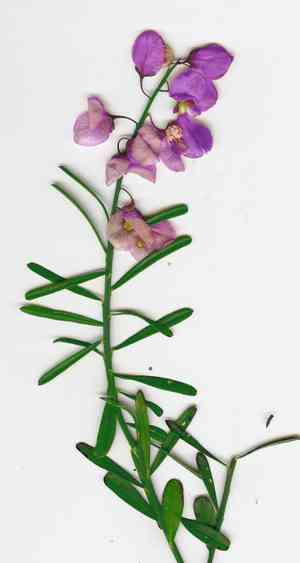
Relocate drumheads as the warmth of late spring transitions into early summer, guaranteeing successful establishment. Select a location offering ample humidity and dappled sunlight. To achieve optimal outcomes, manage drumheads gently to safeguard their fragile root systems during the transfer.
Necessary Preparations Before Relocating Drumheads
Optimal Period for Relocating Drumheads
For drumheads, the perfect time for relocation is during the transition from spring's warmth to early summer's gentle touch. This period offers drumheads the mild temperatures and stable conditions it needs, encouraging strong root development before the intense summer heat stresses the plant. Choosing this prime window provides drumheads with the vigor for robust growth, ensuring a vibrant and beautiful display throughout its life. Transplanting during this timeframe guarantees drumheads the best start in its new spot, under the most nurturing circumstances.
Required Spacing Between Drumheads Plants
To allow your drumheads ample room to thrive, space them approximately 10-12 inches (25-30 cm) apart. This spacing ensures each plant can develop fully without competing for essential nutrients or sunlight.
Ideal Soil Blend for Drumheads Relocation
Drumheads prefer a soil that drains well and is rich in organic material. Prior to transplanting, incorporate a balanced, slow-release fertilizer to give them an excellent start. Aim for a soil pH that is neutral to slightly acidic for best growth.
Choosing a New Location for Your Drumheads
Select a sunny location for your drumheads, as they enjoy ample sunlight. A spot receiving full to partial sun throughout the day will keep them healthy and content. Shield them from strong winds to prevent potential harm.
Equipment to Prepare Before Transplanting Drumheads
Gardening Gloves
To safeguard your hands while handling soil and plants.
Trowel
For digging and moving soil during the drumheads transplant process.
Watering Can
For moistening the soil before and after transplanting drumheads.
Spade or Shovel
To excavate drumheads if moving it from the ground or to prepare the transplant hole.
Pruning Shears
For trimming any damaged roots or foliage prior to relocation.
Wheelbarrow or Garden Cart
For transporting drumheads and soil, especially for larger specimens.
Garden Hose with Sprayer
For irrigating drumheads with adjustable water flow.
Measuring Tape
To ensure correct spacing when transplanting multiple plants.
Method for Extracting Drumheads from the Soil
Method for Extracting Drumheads from the Soil
From Ground: Start by watering the drumheads plant to soften the surrounding soil. Using a spade or shovel, dig a wide circle around the plant, leaving plenty of room to avoid cutting into the root system. Carefully insert the shovel beneath the root ball and gently lift to remove the plant from the ground.From Pot: Water the soil in the pot to facilitate easier removal of drumheads. Turn the pot on its side and tap the bottom to help loosen the root ball. Gently pull the plant out, supporting the base and roots to prevent damage.From Seedling Tray: Water the tray to help drumheads's roots slide out more easily. Use a trowel or your fingers to gently lift the plant from its cell, ensuring to keep as much soil around the roots as possible.
Detailed Guide for Transplanting Drumheads
Preparation
Thoroughly water drumheads before starting the transplant to minimize shock.
Digging the Hole
Excavate a hole in the chosen site that is twice the width of the root ball and of equal depth. Ensure the hole is spacious enough to accommodate the root system without compression.
Root Inspection
Examine the roots of drumheads, using pruning shears to trim any that are broken or damaged.
Placing drumheads
Position drumheads in the center of the hole. Spread the roots outward and adjust so the plant sits at the same depth it was previously growing.
Backfilling Soil
Carefully refill the hole with soil around the roots of drumheads, gently pressing down to eliminate air pockets.
Watering
Water the drumheads generously immediately after transplanting to settle the soil around the roots and aid recovery.
Supporting
If drumheads is a taller variety or appears unstable, gently stake the plant to ensure it remains upright and grows straight.
Post-Transplant Care for Drumheads
Monitoring
Observe drumheads daily to check its response to the transplant and address any signs of stress or wilting.
Regular Watering
Maintain a consistent watering schedule to keep the soil moist but well-drained, adjusting for rainfall as needed.
Mulching
Apply a layer of mulch around drumheads to retain moisture, stabilize soil temperature, and reduce weed growth.
Pruning
Remove any dead or yellowing leaves to help drumheads focus its energy on establishing new growth.
Support Check
If stakes or other supports were used, periodically check them to ensure they are secure and not harming drumheads.
Resolving Common Issues with Drumheads Transplantation.
How to determine the best time for transplanting drumheads?
The ideal period for relocating drumheads is when spring transitions to early summer, specifically late spring to early summer.
What is the recommended spacing for planting drumheads?
Allow each drumheads about 10-12 inches (25-30 cm) of space between them to thrive.
Does drumheads have a specific soil preference?
Indeed, drumheads flourishes in well-draining soil that is rich in organic matter.
What depth should drumheads seedlings be planted?
Plant drumheads's roots snugly, at the same depth they were growing in their previous container.
What if drumheads is wilting after transplanting?
Don't worry! Ensure sufficient water and provide shade for a couple of days to help drumheads recover.
How often should drumheads be watered after transplanting?
Keep the soil moist, but not waterlogged, with gentle watering until new growth appears.
Should I fertilize drumheads after transplanting?
Hold off on feeding. Wait 4-6 weeks before applying fertilizer to allow drumheads to establish itself.
Can drumheads tolerate full sun after being transplanted?
Yes, but gradually introduce drumheads to full sun over several days to prevent shock.
What indicates successful drumheads transplantation?
Look for new leaves or growth, which signifies that drumheads has successfully settled in.
How can I protect drumheads during transplanting?
Handle with care, support the root ball to prevent damage, and transplant on a cool, overcast day.



