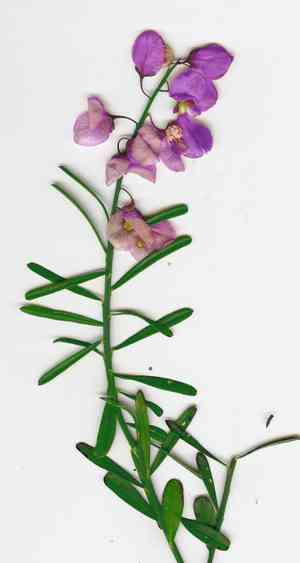
Drumheads (Polygala cruciata)
Also known as: Cross-leaved milkwort
Drumheads (Polygala cruciata) is an annual plant that thrives mainly in moist, sandy soils typically found in marshes, wet prairies, and near streams or ponds. Its distinctive flower clusters bloom from mid to late summer. While generally not endangered, it faces local threats in some northeastern U.S. regions. The species name "cruciata" refers to the cross-like arrangement of its leaf whorls.
In This Article
Attributes of Drumheads
Lifespan
Annual, Perennial
Plant Type
Herb
Plant Height
10 cm to 25 cm
Spread
N/A (herbaceous)
Leaf Color
Green
Flower Size
0.5-1 cm
Flower Color
White Pink Green Purple
Images of Drumheads
Quickly Identify Drumheads
1
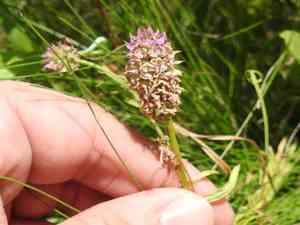
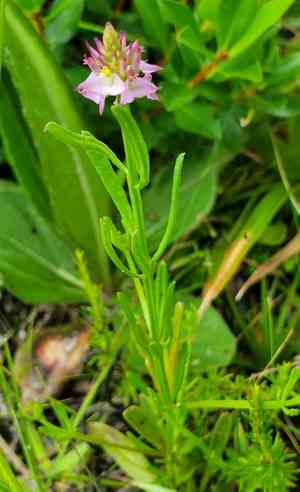
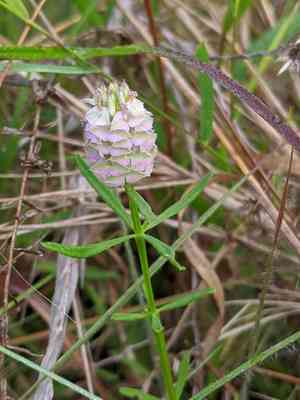
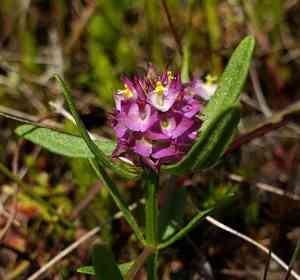
Polygala cruciata can be identified by its opposite leaves arranged in a cross pattern at each stem node, and its small, clustered flowers which are typically purple or pink. The flower clusters are often found at the top of the stems.
Scientific Classification of Drumheads
Phylum
Vascular plants
Class
Dicotyledons
Order
Fabales
Family
Milkwort
Genus
Milkworts
Species
Drumheads
Planting and Growing of Drumheads
Care Difficulty
Easy
Watering Schedule
Every 8 days
Sunlight Requirements
Partial sun
Sunshine Duration
6-10 hours
Ideal Temperature
65-75℉
Soil Type
Potting Mix, Peat Mix
Soil pH
6-7
Fertilizer Type
Balanced
Pruning Season
Spring, Summer
Pruning Area
Branches, Leaves
Pruning Frequency
2 times a year
Repotting Season
Spring
Pot Type
Plastic, Ceramic
 How to Water Drumheads?
Watering Polygala cruciata requires striking a balance; ensure the soil is moist but not waterlogged. Aim to water approximately 150ml each time, which should be enough to moisten the top layer of soil without causing excessive saturation.
What are the symptoms of an underwatered Drumheads?
›
What should I do if my Drumheads is not getting enough water?
›
What are the symptoms of an overwatered Drumheads?
›
How to save an overwatered Drumheads?
›
 What Are the Sunlight Requirements for Drumheads?
Partial sun exposure is preferred for this plant, providing balanced light that encourages healthy growth and flowering without the risk of sunburn seen in full sun conditions.
More About Sunlight Requirements Techniques→
Optimal Sunlight Hours
›
Solution for Best Lighting
›
Benefits of Ideal Light
›
 What Is the Ideal Temperature Range for Drumheads?
Polygala cruciata thrives best in temperatures ranging from 65°F to 75°F. This range ensures optimal enzymatic and metabolic activities, promoting robust growth and blooming. Consistent temperatures within this range also help in maintaining plant health and vigor.
 What Soil is Best for Drumheads?
Polygala cruciata thrives in well-drained soil, which prevents root rot by allowing excess water to escape. This ensures that the plant’s roots get the aeration needed for optimal growth. This plant prefers a nutrient-rich substrate to support its growth and flowering. Fertile soil provides the essential minerals and nutrients that Polygala cruciata needs for robust health. While well-drained, the soil should also retain adequate moisture, supporting consistent hydration without waterlogging. Maintaining this balance promotes vigorous growth and prevents stress from drought.
 How to Fertilize Drumheads?
For Polygala cruciata, use a balanced fertilizer with an N-P-K ratio of 10-10-10. When using liquid fertilizer, dilute it to half strength, as this plant prefers lighter feeding to prevent root burn.
 How to Prune Drumheads?
Always use sharp and clean pruning shears to make clean cuts, which promote faster healing and reduce the risk of infection. Dull or dirty tools can cause frayed cuts that may become entry points for pests and diseases. Make your cuts at a slight angle rather than straight across. This angle allows water to run off the cut surface, which helps to prevent rot and promotes quicker healing of the cut area.
More About Pruning Techniques→
 How to Propagate Drumheads plant?
1
Collect seeds from a mature Polygala cruciata plant. Ensure that the seeds are healthy and have been harvested from plants that exhibit desired traits. This is the first step to a successful propagation process.
2
Fill the seed tray with potting mix. Sow the seeds evenly across the surface and cover them lightly with a thin layer of soil. Proper spacing is needed to prevent overcrowding and encourage strong root growth.
3
Once sown, gently water the seeds with a fine mist to prevent displacement. Place the tray in a location with bright, indirect sunlight or under grow lights. Consistency in moisture and light helps ensure successful germination.
 How to Repot Drumheads plant?
1
Repot Polygala cruciata when you notice roots growing out of the drainage holes or the plant exhibiting slow growth. It’s crucial to provide ample space for the roots to grow, especially when growth becomes stunted.
2
Select a pot that is 1 to 2 inches larger in diameter than the current one. Ensure it has sufficient drainage holes to prevent root rot. A slightly bigger pot will provide room for growth without overwhelming the plant.
3
Opt for sandy, well-draining soil that mimics its natural environment. This type of soil prevents waterlogging and promotes healthy root development, essential for the plant’s stability and nourishment.



