How to Prune Drumheads?
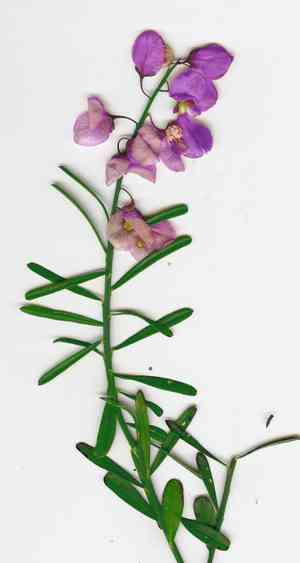
A distinctive perennial, drumheads exhibits vivid purple flower clusters. Trim spent blossoms to foster denser development and additional flowering. Perform light pruning in spring for shaping and to stimulate robust growth, more substantial pruning in summer following blooming for revitalization, and eliminate any lifeless or compromised stalks in autumn to ensure plant well-being. Refrain from winter pruning to avert harm from cold temperatures. Consistent trimming offers advantages such as enhanced blooming, protection against ailments, and the preservation of a compact structure.
What Are the Benefits of Pruning Drumheads?
What Are the Benefits of Pruning Drumheads?
Trimming drumheads promotes robust development and maintains its form, ensuring peak health and visual appeal.
What Is the Best Time for Pruning Drumheads?
What Is the Best Time for Pruning Drumheads?
Pruning drumheads in the Spring coincides with the start of its active growth phase, allowing for rapid healing and new growth. Early Summer trimming is optimal after the initial growth spurt and before flowering, enabling shaping and enhancing subsequent blooms while minimizing plant stress. Late Fall is suitable for removing dead or diseased parts after drumheads has bloomed and is entering dormancy, which helps prevent disease spread in wetter, cooler months. These timings ensure drumheads's strong health, vigor, and boost its flowering potential while respecting its natural growth and rest cycles.
What Tools Do I Need to Prune Drumheads?
Bypass Pruners
Drumheads is a relatively small and delicate plant, thus requiring precision when cutting. Bypass pruners are ideal because their curved, scissor-like blades make clean cuts that help prevent damage to the plant's stems.
Floral Snips
Given drumheads's petite form, floral snips are excellent for making precise cuts on thin stems. Their small blades allow for careful shaping and help minimize accidental removal of too much foliage.
Gardening Gloves
While not a cutting tool, gloves are essential for protecting the hands during pruning. They will help grip the tools securely and protect against any sharp edges or thorns.
Disinfectant
It is crucial to use a disinfectant on pruning tools before and after use on drumheads to avoid spreading diseases. A simple alcohol or bleach solution can be used to sterilize the blades.
How to Prune Drumheads
Clean tools
Before starting, ensure that all pruning tools are clean and sharp to avoid damaging drumheads or spreading disease.
Identify
Locate the withered leaves on drumheads, ensuring they are clearly distinguished from healthy growth to prevent accidental pruning of viable foliage.
Cut
Using a pair of small, sharp scissors or pruning shears, carefully cut the withered leaves at the base where they connect to the stem, taking care not to harm nearby healthy leaves or stems.
Dispose
Safely dispose of the removed withered leaves to prevent any potential disease spread among the other plants.
Monitor
Regularly monitor drumheads after pruning, to check for signs of stress or further withering that may require additional pruning.
Common Pruning Mistakes with Drumheads
Overpruning
Cutting back too much of drumheads's foliage at once can shock the plant and stunt its growth.
Improper cut stems
Making cuts too close to the main stem or too far from the bud on lateral branches leads to poor healing and an unbalanced shape.
Tearing limb
Manually ripping or tearing the stems instead of using clean, sharp tools can damage drumheads and expose it to disease.
Ignoring dead material
Failing to remove dead or diseased material from drumheads can hinder healthy growth and promote the spread of disease.
Common Pruning Tips for Drumheads
Sharp tools
Use clean, sharp pruning shears to make clean cuts on drumheads, reducing the risk of disease and promoting better healing.
Angle cuts
Cut at a 45-degree angle above a bud facing the outside of the plant to encourage outward growth for drumheads.
Consider plant health
Assess the overall health of drumheads before pruning; only remove dead or diseased branches, and any overgrowth impeding air circulation.
Prune inner growth
Thin the interior of drumheads to improve light penetration and air flow, which can help prevent fungal diseases.



