How to Transplant Polyalthia?
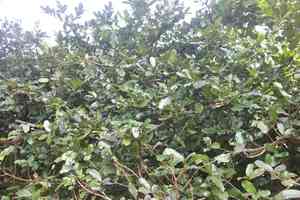
The ideal period for relocating polyalthia spans from the cool days of early winter through the mild temperatures of mid-spring, allowing roots to settle prior to harsh weather. Select a brightly illuminated spot that offers effective water drainage. Careful manipulation throughout the procedure is vital for polyalthia's thriving.
What Preparations are Needed Before Transplanting Polyalthia?
What is the Ideal Time for Transplanting Polyalthia?
The perfect time for moving polyalthia is from the start of winter's chill through the heart of spring. This period aligns with polyalthia's natural growth cycle, providing a smooth transition with cooler temperatures that lessen transplant shock and encourage root establishment. During this window, the soil is easy to work with, and moderate weather promotes strong root growth, allowing polyalthia to settle before summer's heat. By choosing this optimal season, you're giving polyalthia the best conditions to thrive in its new spot.
How Much Space Should You Leave Between Polyalthia Plants?
When planning to rehome your polyalthia, ensure they have ample room to grow. Aim for a spacing of approximately 15-20 feet (4.5-6 meters) apart. This prevents overcrowding and supports healthy development in your garden.
What is the Best Soil Mix for Polyalthia Transplanting?
Your beautiful polyalthia will flourish best in rich, well-draining soil. Before transplanting, incorporate some organic compost to provide a nutritious beginning. Adding a balanced, slow-release fertilizer will also aid in developing strong roots.
Where Should You Relocate Your Polyalthia?
Select a location where your polyalthia will receive partial to full sunlight, as they appreciate plenty of sun but can tolerate some shade. This sun-related placement will ensure your polyalthia gets just the right amount of light to grow happily.
What Equipments Should You Prepare Before Transplantation Polyalthia?
Shovel or Spade
For digging around and beneath the root ball when extracting polyalthia from its original spot.
Gardening Gloves
To safeguard your hands while handling soil and the plant.
Watering Can or Hose
To hydrate the plant before and after transplanting to minimize stress.
Pruning Shears
For trimming any damaged roots or branches prior to transplanting.
Wheelbarrow or Garden Cart
To move polyalthia from its initial location to the new planting site.
Support Stakes
To offer stability for polyalthia in its new position if needed.
Mulch
To help maintain soil moisture and regulate soil temperature around the new planting area.
How Do You Remove Polyalthia from the Soil?
How Do You Remove Polyalthia from the Soil?
From Ground: First, water polyalthia to moisten the soil. Then, dig a wide trench around it using a shovel or spade, ensuring the root ball stays intact. Carefully work the spade under the root ball to lift polyalthia from its original location.From Pot: Thoroughly water the pot to facilitate the removal of polyalthia. Gently tilt the pot on its side and tap the bottom to loosen the plant. Pull the plant by its base, not the stem, to prevent damage.From Seedling Tray: Water the tray to ensure the soil is damp. Use a spoon or a small garden tool to loosen the soil around and gently lift the seedling of polyalthia out without disturbing the roots.
Step-by-Step Guide for Transplanting Polyalthia
Prepare the New Site
Dig a hole in the new spot that is twice as wide and equally deep as the root ball of polyalthia.
Root Pruning
Examine the root ball of polyalthia for any dead or damaged roots and trim them away with pruning shears.
Placement in New Site
Position polyalthia in the center of the newly dug hole, gently spreading the roots if they are pot-bound.
Refilling the Hole
Fill the hole around polyalthia's root ball with soil, gently pressing down to remove air pockets.
Watering
Water polyalthia thoroughly after planting to settle the soil and provide hydration.
Staking and Supporting
If polyalthia is tall or unstable, use support stakes to keep it upright. Ensure the stakes are driven into the ground outside the root zone.
Applying Mulch
Apply a layer of mulch around the base of polyalthia, keeping it away from the stem to prevent rot.
How Do You Care For Polyalthia After Transplanting?
Regular Watering
Water polyalthia consistently to maintain uniform soil moisture. Monitor the soil and adjust watering as needed, especially during the initial weeks post-transplant.
Observation
Keep a close watch on polyalthia for signs of stress or damage and address any issues promptly.
Troubleshooting Common Issues with Polyalthia Transplantation.
When's the ideal time to transplant polyalthia?
Relocate polyalthia during the cooler months from early winter to mid-spring for optimal root establishment.
How far apart should I space multiple polyalthia plants?
Allow polyalthia ample room to grow by spacing them 15-20 feet (4.6-6 meters) apart, providing sufficient space for root development.
Can polyalthia survive transplanting in extreme temperatures?
Avoid extreme temperatures; polyalthia thrives best when transplanted in mild weather, steering clear of the stress from freezes or heatwaves.
What's the best way to prepare the soil for polyalthia transplant?
Prepare a rich, well-draining soil with organic compost to give polyalthia the best start in its new location.
Should I prune polyalthia before transplanting?
Light pruning can help reduce transplant shock, but avoid heavy pruning which can further stress polyalthia.
How deep should the hole be for transplanting polyalthia?
Dig a hole twice as wide as the root ball and equal in depth, ensuring polyalthia's roots can spread easily.
What is the proper technique for removing polyalthia from its current spot?
Carefully dig a wide circle around polyalthia to avoid damaging the root system, then gently lift it out.
How do I water polyalthia after transplanting?
Water polyalthia generously after transplanting to settle the soil and then provide consistent moisture until established.
Is it necessary to use fertilizers immediately after transplanting polyalthia?
Refrain from fertilizing immediately; let polyalthia adapt to its new environment and apply fertilizer after a few weeks.
What signs of transplant shock should I look out for in polyalthia?
Observe polyalthia for wilting leaves, stunted growth, or leaf drop, which are signs of transplant shock, and provide appropriate care.



