How to Prune Polyalthia?
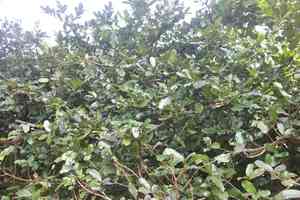
Distinguished by its lustrous foliage and vertical development, polyalthia thrives with judicious trimming to preserve its form and stimulate robust leaves. Trimming ought to be conducted in the colder months, while the plant is inactive, to lessen strain and prevent fluid leakage. Essential methods involve reducing congested branches and severing just above leaf junctions to foster fresh development. This not only improves polyalthia's aesthetic but also deters pests and illnesses by enhancing air circulation.
What Are the Benefits of Pruning Polyalthia?
What Are the Benefits of Pruning Polyalthia?
Trimming polyalthia encourages vigorous development and maintains its desired form. Strategic cuts promote new leaf growth, contributing to strong vitality, while shaping helps preserve a neat landscape appearance.
What Is the Best Time for Pruning Polyalthia?
What Is the Best Time for Pruning Polyalthia?
Trimming polyalthia in late winter is advantageous for several reasons. Primarily, polyalthia is dormant then, meaning less plant stress, and disease transmission risk is minimized as pathogens are less active in cold weather. This timing also allows removal of dead or damaged branches before new growth, improving polyalthia's overall health and look. Additionally, pruning before the spring growth spurt lets polyalthia recover quickly and direct energy into producing new, healthy growth once the season begins.
What Tools Do I Need to Prune Polyalthia?
Hand Pruners
Polyalthia is a small to medium-sized evergreen tree or shrub, meaning routine care may involve cutting small branches. Hand pruners are ideal for making clean cuts on branches typically up to 1/2 to 3/4 inches in diameter.
Lopping Shears
When trimming thicker polyalthia branches, which can be up to about 1 1/2 to 2 inches thick, lopping shears provide the necessary leverage and cutting power without harming the plant.
Pruning Saw
For mature polyalthia trees, it might be necessary to remove branches thicker than what hand pruners or lopping shears can handle. A pruning saw is designed to cut through branches over 2 inches in diameter.
Hedge Shears
If polyalthia is being shaped into a formal design or hedge, hedge shears can be used for shaping and maintaining even lines.
How to Prune Polyalthia
Sanitization
Sterilize all trimming tools before starting to prevent the spread of disease to polyalthia. Use a bleach or alcohol solution to clean the blades of your pruners or shears.
Removal of Withered Leaves
Carefully remove any withered leaves from polyalthia by hand if they detach easily or use pruners to snip them off where they meet the stem. This helps prevent potential fungal infections and promotes better air circulation.
Removal of Dead Branches
Cut dead branches back to the point where they connect with healthy wood. Make the cut just above a bud, branch, or main trunk, ensuring not to leave a stub that could attract pests or diseases.
Removal of Diseased Branches
Identify and remove any diseased branches from polyalthia. Make cuts at least several inches below the infected areas to ensure all contaminated material is removed. Disinfect pruning tools after cutting diseased material to prevent contamination.
Post Pruning Care
After trimming polyalthia, apply a water-based sealant to larger cut surfaces to protect against pests and diseases. Follow up with appropriate watering and fertilization to support the plant's recovery and regrowth.
Common Pruning Mistakes with Polyalthia
Over-pruning
Removing too much foliage at once can stress polyalthia, leading to stunted growth or a weakened state that could attract pests and diseases.
Improper cutting technique
Using dull tools or incorrect cutting angles can damage polyalthia's branches, hindering healing and potentially causing dieback or infection.
Disregarding the plant's natural shape
Trimming polyalthia without considering its growth habit can result in an unnatural appearance and may impede its overall health and flowering capabilities.
Pruning too frequently
Cutting polyalthia back too often can hinder its ability to photosynthesize efficiently, affecting growth and vitality.
Common Pruning Tips for Polyalthia
Use sharp tools
Ensure tools are clean and sharp to make precise cuts that heal quickly, reducing stress and the risk of disease for polyalthia.
Cut at the right place
Trim just above leaf nodes or branching points to encourage polyalthia to grow in the desired direction and promote fuller, healthier growth.
Follow natural form
When shaping polyalthia, adhere to its natural structure to maintain a balanced and aesthetically pleasing shape while promoting robust health.
Selective thinning
Remove only the necessary amount of growth to improve air circulation and light penetration, which boosts polyalthia's overall health and flowering capacity.



