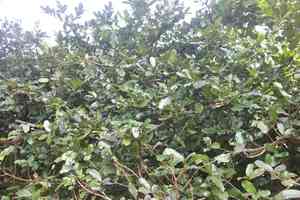
Polyalthia (Polyalthia suberosa)
Also known as: Corky-stemmed Polyalthia
Polyalthia suberosa, a species native to open forests, is commonly planted as an ornamental in tropical regions. Despite its aesthetic appeal, it has become aggressive and is now considered invasive in Cuba.
In This Article
Attributes of Polyalthia
Lifespan
Perennial
Plant Type
Shrub
Plant Height
4 m to 6 m
Spread
1-1.5 meters
Leaf Color
Dark green
Flower Size
Less than 1 cm
Flower Color
Yellow Green
Images of Polyalthia
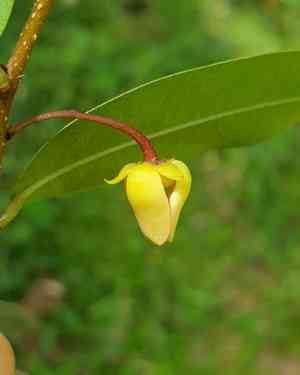
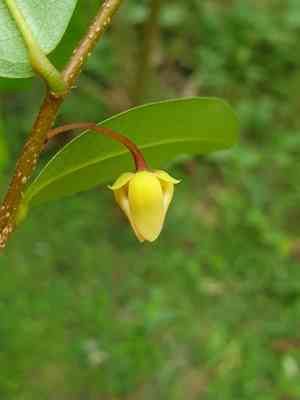
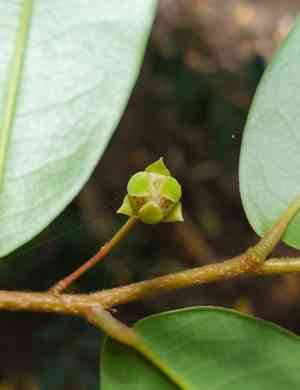
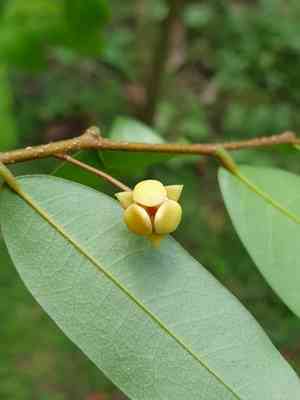
Quickly Identify Polyalthia
1
Identifiable by its corky, fissured bark and small, dark green leaves. Flowers are small and greenish-white, while the fruit is a small, black drupe.
Scientific Classification of Polyalthia
Phylum
Vascular plants
Class
Dicotyledons
Order
Magnoliales
Family
Custard apple
Genus
Polyalthia
Species
Polyalthia
Planting and Growing of Polyalthia
Care Difficulty
Easy
Watering Schedule
Every 2 days
Sunlight Requirements
Partial sun
Sunshine Duration
6-10 hours
Ideal Temperature
70-85℉
Soil Type
Potting Mix, Peat Mix
Soil pH
6.5-7.5
Fertilizer Type
Balanced
Pruning Season
Spring, Summer
Pruning Area
Branches, Leaves
Pruning Frequency
2 times a year
Repotting Season
Spring
Pot Type
Plastic, Terracotta
 How to Water Polyalthia?
For Polyalthia suberosa, aim to water until the top 2-3 inches of soil are consistently moist, providing about 500 ml each time. This approach ensures that the water reaches the roots without oversaturating the soil.
What are the symptoms of an underwatered Polyalthia?
›
What should I do if my Polyalthia is not getting enough water?
›
What are the symptoms of an overwatered Polyalthia?
›
How to save an overwatered Polyalthia?
›
 What Are the Sunlight Requirements for Polyalthia?
Polyalthia suberosa thrives best in partial sun or full shade. Access to filtered light during the day facilitates healthy growth, robust foliage, and efficient energy absorption, ensuring the plant's overall health.
Ideal Light Intensity
›
Optimal Light Duration
›
Location for Ideal Lighting
›
 What Is the Ideal Temperature Range for Polyalthia?
The ideal temperature range for Polyalthia suberosa is between 70°F and 85°F. Within this range, the plant can thrive and exhibit optimal growth. This temperature range supports strong photosynthesis and helps maintain the structural integrity of cellular components, enhancing the plant's overall health.
 What Soil is Best for Polyalthia?
Polyalthia suberosa thrives best in soil that drains well, preventing waterlogging which can suffocate roots. Ensuring adequate drainage enhances root aeration and nutrient uptake, promoting robust plant growth. This plant prefers soil with moderate fertility, providing essential nutrients without over-fertilization. Balanced soil fertility supports healthy development and flowering, enhancing the plant’s aesthetic appeal. Maintaining consistent moisture in the soil is crucial for Polyalthia suberosa. Regular watering, without over-saturating, ensures the plant remains hydrated, supporting optimal physiological functions and growth.
 How to Fertilize Polyalthia?
For Polyalthia suberosa, it is crucial to strike a balance in fertilizing. When using liquid fertilizer, apply about half the recommended dose mentioned on the label to ensure the plant receives essential nutrients without risking damage to the roots. This will help maintain the plant's vigor and promote healthy foliage growth.
 How to Prune Polyalthia?
Always use clean and sharp pruning shears or loppers to make clean cuts. Dull tools can crush plant tissue, leading to a higher chance of diseases and pests. Sterilize tools before use to prevent disease transmission between plants. Avoid removing more than one-third of the plant at a time. Over-pruning can stress the plant and inhibit its ability to properly photosynthesize. A gradual approach to pruning helps keep the Polyalthia suberosa healthy and resilient.
More About Pruning Techniques→
 How to Propagate Polyalthia plant?
1
Collect mature seeds from the plant in late autumn and clean them to remove any pulp. Soak the seeds in warm water for 24 hours to help soften the seed coat and improve germination rates.
2
Select a healthy, non-flowering stem from the parent plant. Using sharp pruning shears, cut a 5- to 7-inch section just below a node to encourage root growth from the cutting.
3
Identify a low-growing branch from the main plant that can be easily bent to the ground. Remove the leaves from a 3-inch section, make a slight incision on the stem, and bury it in soil while still attached to the parent plant.
 How to Repot Polyalthia plant?
1
The best time to repot Polyalthia suberosa is when you notice the plant becoming root-bound or showing stunted growth. If roots start poking out of drainage holes, or if water drains very quickly, it might be a sign to repot. Repotting during Spring or early Summer allows for recovery during active growth periods.
2
Select a pot that is one size larger than the current one, with good drainage holes. A slightly larger pot ensures ample space for root growth and proper drainage, which prevents root rot and encourages healthy plant development. Clay pots are recommended for their porosity, allowing the soil to breathe.
3
Choose a well-draining potting mix, such as a combination of peat moss, perlite, and sand. This type of soil prevents waterlogging, provides essential aeration, and supports root respiration. A well-draining mix is crucial for Polyalthia suberosa to thrive, as it mimics its natural habitat.
Toxicity
Ingestion of plant parts such as leaves or fruits
WARNING
The judgment on toxicity and danger is for reference only. We DO NOT GUARANTEE any accuracy of such judgment. Therefore, you SHALL NOT rely on such judgment. It is IMPORTANT TO SEEK PROFESSIONAL ADVICE in advance when necessary.



