How to Transplant Thymeleaf mesa mint?
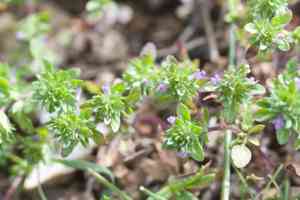
Thymeleaf mesa mint thrives when transplanted in the blossoming months of early to mid-spring, ensuring optimal growth. Choose a sunny, well-draining location. Avoid disturbance; only transplant if necessary, ensuring roots remain moist to reduce stress.
What Preparations are Needed Before Transplanting Thymeleaf Mesa Mint?
What is the Ideal Time for Transplanting Thymeleaf Mesa Mint?
Transplanting thymeleaf mesa mint in early to mid-spring offers optimal conditions, as the warming soil promotes root establishment and growth. This timing avoids the stress of summer heat and gives the plant a full growing season. Early spring transplants benefit from increased soil moisture and moderate temperatures, enhancing the plant's resilience and bloom success.
How Much Space Should You Leave Between Thymeleaf Mesa Mint Plants?
Ensure you space your thymeleaf mesa mint plants about 12-18 inches (30-45 cm) apart. This will provide them with enough room to grow and thrive without competing for resources.
What is the Best Soil Mix for Thymeleaf Mesa Mint Transplanting?
For thymeleaf mesa mint, use well-draining soil rich in organic matter. Mix in a balanced base fertilizer like a 10-10-10 (NPK) to give the plants a nutrient boost right from the start.
Where Should You Relocate Your Thymeleaf Mesa Mint?
Plant your thymeleaf mesa mint in a spot that gets full sun, ideally 6-8 hours of sunlight per day. This ensures they get all the light they need to flourish.
What Equipments Should You Prepare Before Transplantation Thymeleaf Mesa Mint?
Gardening Gloves
To protect your hands while working with the soil and plant.
Shovel or Spade
For digging out the plant and its root ball from the ground.
Trowel
For working in smaller areas and fine adjustments.
Watering Can or Hose
To water the plant before and after transplanting.
Mulch
To help retain soil moisture and regulate temperature after transplanting.
Bucket or Container
To transport the plant from its original location to the transplant site.
Rooting Hormone (optional)
To encourage the growth of strong roots in the new location.
How Do You Remove Thymeleaf Mesa Mint from the Soil?
How Do You Remove Thymeleaf Mesa Mint from the Soil?
From Ground: First, water the thymeleaf mesa mint plant to dampen the soil. Then, dig a wide trench around the plant using a shovel or spade, ensuring the plant's root ball remains intact. Carefully work the spade under the root ball to lift the plant from its original location.From Pot: Gently water the thymeleaf mesa mint plant to loosen the soil. Tilt the pot and tap the sides to loosen the root ball, then slide the plant out, supporting the base to avoid damaging roots.From Seedling Tray: Water the soil in the tray to make it easier to remove the seedlings. Use a trowel or your fingers to carefully lift each thymeleaf mesa mint plant, being careful to keep as much soil around the roots as possible.
Step-by-Step Guide for Transplanting Thymeleaf Mesa Mint
Prepare the Site
Ensure your selected site is ready for transplanting with the correct environmental conditions for thymeleaf mesa mint.
Dig the Hole
Make a hole in the ground that is slightly larger than the root ball of thymeleaf mesa mint plant.
Add Water
Water the hole before placing the plant to make the soil moist.
Transplant the Plant
Place the thymeleaf mesa mint plant gently into the hole, making sure it sits at the same depth as it was in its original location.
Fill the Hole
Fill in the hole with the displaced soil, gently pressing around the plant to remove air pockets.
Water Again
Water the plant thoroughly to help settle the soil around the roots.
Apply Mulch
Apply a layer of mulch around the base of the thymeleaf mesa mint plant to retain moisture and control weed growth.
How Do You Care For Thymeleaf Mesa Mint After Transplanting?
Watering
Keep the soil around the thymeleaf mesa mint consistently moist, but not soggy, for the first few weeks after transplanting to help establish strong roots.
Mulching
Maintain mulch around the base of the thymeleaf mesa mint plant to keep the soil moist and cool.
Monitoring
Keep an eye on the plant for signs of transplant shock, such as wilting or yellowing leaves, and take corrective actions like proper watering or shading if necessary.
Feeding
After about 4-6 weeks, consider applying a balanced organic fertilizer to support growth.
Troubleshooting Common Issues with Thymeleaf Mesa Mint Transplantation.
When is the ideal time to transplant thymeleaf mesa mint?
Early to mid-spring is the best time to transplant thymeleaf mesa mint.
How much space should I leave between thymeleaf mesa mint plants?
Space thymeleaf mesa mint plants 12â18 inches (30â45 cm) apart for optimal growth.
What soil type is best for thymeleaf mesa mint?
Thymeleaf mesa mint prefers well-draining, sandy or loamy soil.
How should I prepare the soil before transplanting thymeleaf mesa mint?
Loosen soil and mix in compost to improve drainage and nutrient content.
How much water should thymeleaf mesa mint receive after transplanting?
Water thymeleaf mesa mint regularly, ensuring the soil is moist but not soggy.
Should I use mulch around thymeleaf mesa mint after transplanting?
Applying mulch can help retain moisture and suppress weeds around thymeleaf mesa mint.
What is the best way to avoid transplant shock in thymeleaf mesa mint?
Transplant on a cloudy day, water well, and avoid disturbing roots too much.
How deep should I plant thymeleaf mesa mint when transplanting?
Plant thymeleaf mesa mint at the same depth it was growing in its original container.
What should I do if thymeleaf mesa mint appears wilted after transplanting?
Ensure adequate watering and provide temporary shade if needed.
Can I transplant thymeleaf mesa mint during hot weather?
Avoid transplanting thymeleaf mesa mint in hot weather; early to mid-spring is ideal.



