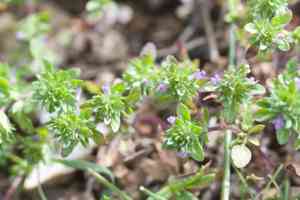
Thymeleaf mesa mint (Pogogyne serpylloides)
Also known as: Thyme-leaved pogogyne
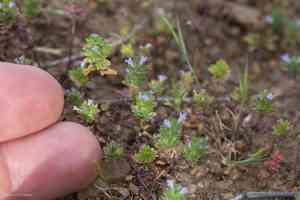
Thymeleaf mesa mint, a hardy perennial herb, showcases compact clusters of small, purple flowers similar to thyme. It forms a low, dense carpet with slender leaves, making it well-suited for Mediterranean-like climates. This resilient plant flourishes in the sunny, well-drained soils found in California's coastal regions, particularly favoring serpentine soils that are challenging for many other species.
In This Article
Attributes of Thymeleaf mesa mint
Lifespan
Annual
Plant Type
Herb
Plant Height
5-15 cm
Spread
15-30 cm
Leaf Color
Green
Flower Size
0.5-1 cm
Flower Color
Purple
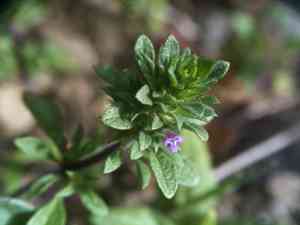
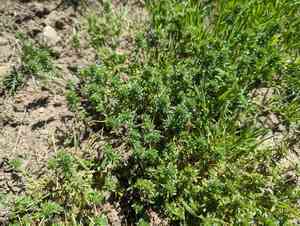
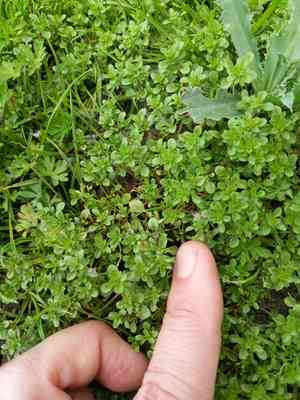
Images of Thymeleaf mesa mint
Quickly Identify Thymeleaf mesa mint
1
Look for low-growing, mat-forming plants with small, aromatic leaves and clusters of tiny purple flowers. The plant emits a minty smell when crushed.
Scientific Classification of Thymeleaf mesa mint
Phylum
Vascular plants
Class
Dicotyledons
Order
Lamiales
Family
Mint
Genus
Mesamint
Species
Thymeleaf mesa mint
Planting and Growing of Thymeleaf mesa mint
Care Difficulty
Hard
Watering Schedule
Every 3 days
Sunlight Requirements
Partial sun
Sunshine Duration
6-10 hours
Ideal Temperature
60-75℉
Soil Type
Potting Mix, Peat Mix
Soil pH
6.5-7.5
Fertilizer Type
Balanced
Pruning Season
Spring, Summer
Pruning Area
Branches, Leaves
Pruning Frequency
2 times a year
Repotting Season
Spring
Pot Type
Terracotta, Plastic
 How to Water Thymeleaf mesa mint?
Pogogyne serpylloides appreciates a moderate watering schedule, keeping the soil consistently moist but not waterlogged. Water thoroughly but ensure the soil drains well, allowing 150 ml for each watering session. Check the top inch of soil; it should be lightly moist before the next watering.
What are the symptoms of an underwatered Thymeleaf mesa mint?
›
What should I do if my Thymeleaf mesa mint is not getting enough water?
›
What are the symptoms of an overwatered Thymeleaf mesa mint?
›
How to save an overwatered Thymeleaf mesa mint?
›
 What Are the Sunlight Requirements for Thymeleaf mesa mint?
Partial sun is favorable, especially during the early morning. Full sun can be beneficial if indirect or filtered to prevent burn. Maintaining this balance ensures sustained growth and robust aromatic characteristics.
What is the best lighting angle for Pogogyne serpylloides?
›
How can one optimize light for Pogogyne serpylloides indoors?
›
What benefits arise from Pogogyne serpylloides receiving optimal sunlight?
›
 What Is the Ideal Temperature Range for Thymeleaf mesa mint?
The ideal temperature range for Pogogyne serpylloides is between 60°F and 75°F. This range ensures optimal growth and development. Maintaining these temperatures helps prevent stress, promotes healthy metabolism, and supports robust flowering. This range is suitable for both day and night conditions, allowing the plant to thrive throughout its growing cycle.
 What Soil is Best for Thymeleaf mesa mint?
Pogogyne serpylloides prefers well-drained soil to prevent root rot, allowing excess water to escape easily. This is beneficial as it prevents the roots from sitting in water, leading to a healthier plant growth. The soil should be loose and airy to enable oxygen to reach the roots. Adequate aeration in the soil promotes healthy root development and helps in absorbing nutrients efficiently. The plant thrives in soil with moderate levels of nutrients. Over-fertilizing is unnecessary and can even be detrimental. Maintaining balanced soil fertility ensures steady growth without the risk of nutrient burn.
 How to Fertilize Thymeleaf mesa mint?
Pogogyne serpylloides requires a balanced approach when it comes to fertilization. A modest application with a 20-20-20 NPK liquid fertilizer diluted to half strength is generally sufficient. For solid fertilizers, use a slow-release type with equal proportions of nitrogen, phosphorus, and potassium, ensuring that the soil does not become excessively nutrient-rich that can harm the plant's health.
 How to Prune Thymeleaf mesa mint?
Regularly inspect Pogogyne serpylloides for any signs of pests or disease before pruning. If you notice any, treat the plant before proceeding to avoid spreading issues during the pruning process. Early detection and prevention are key to maintaining a healthy plant. Avoid cutting back more than one-third of the plant at once, as excessive pruning can stress the plant. A gentle approach allows the plant to recover quickly and continue thriving. It's better to prune moderately and consistently throughout the growing season.
More About Pruning Techniques→
 How to Propagate Thymeleaf mesa mint plant?
1
Start by mixing a well-draining soil medium, incorporating sand and peat. Ensure it's sterile to reduce disease risk. Fill trays or pots with this mixture, leaving room for seeds or cuttings.
2
Place seeds evenly spaced on the prepared soil. Cover lightly with a thin layer of soil or vermiculite. Mist thoroughly and cover with a plastic lid to maintain humidity.
3
Select healthy, non-flowering Pogogyne serpylloides stems about 4-6 inches long. Cut just below a node, remove lower leaves, and dip the end in rooting hormone before placing in soil.
 How to Repot Thymeleaf mesa mint plant?
1
Signs your Pogogyne serpylloides needs repotting include roots growing out of the drainage holes or soil that dries out too quickly after watering. Typically, late spring or early summer is optimal for repotting, allowing the plant to acclimate with abundant sunshine and vigorous growth periods ahead.
2
Select a pot that is one size larger than the current one, with good drainage holes. This allows the roots to spread comfortably without waterlogging, preventing root rot and encouraging healthy growth.
3
Opt for a well-draining sandy soil mix, ideally with added perlite or coarse sand. This ensures excellent drainage, mimicking the plant's native environment and reducing the risk of root rot by preventing excess moisture retention.
Learn More About Thymeleaf mesa mint Diseases
Bacterial Leaf Spot
Bacterial Soft Rot
Crown Gall
Cyst Nematode
Damping-off
Downy Mildew
Drought Stress
Fusarium Wilt
Gray Mold
Leaf Curl
Leaf Spot
Mosaic
Nutrient Deficiency
Nutrient Toxicity
Powdery Mildew
Root Rot
Root-knot Nematode
Rusts
Sooty Mold
Spider Mites
Temperature Stress
Thrips Damage
White Mold
Chemical Injury



