How to Propagate Thymeleaf mesa mint?
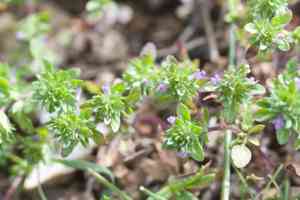
Thymeleaf mesa mint flourishes effectively when propagated from seeds. Make certain that seeds are planted in soil that drains properly to regulate moisture levels. Peak development is achieved with abundant sunlight and limited disturbance. Gently blanket the seeds with earth and keep the site damp until young plants are rooted, subsequently decreasing irrigation progressively. Employing a fine mist or soft stream aids in preventing seed displacement. Endurance is crucial since sprouting may require a period. Consult cultivation methods for related species within its genus for further understanding.
Optimal Time for Thymeleaf Mesa Mint Propagation
Propagation Type
Sowing
Propagation Season
Spring
Tools for Thymeleaf Mesa Mint Propagation
Seed Tray
Utilized for germinating seeds in a controlled setting, ensuring consistent moisture and temperature vital for thymeleaf mesa mint seed sprouting.
Seedling Heat Mat
Positioned beneath the seed tray to provide steady warmth, enhancing germination rates by mimicking natural conditions essential for thymeleaf mesa mint.
Fine Mist Sprayer
Aids in maintaining proper moisture levels without disturbing or dislodging seeds in the soil mix, keeping young thymeleaf mesa mint seedlings optimally hydrated.
Humidity Dome
Placed over the seed tray to create a moist micro-environment, promoting faster germination and reducing seedling desiccation, crucial for thymeleaf mesa mint.
Seedling Potting Mix
A light, well-draining blend offering the correct balance of aeration and moisture retention, essential for the delicate root systems of thymeleaf mesa mint.
Labels and Markers
Ensures precise identification of various species or types within a propagation area, preventing confusion and allowing accurate monitoring of thymeleaf mesa mint growth stages.
Sterilized Tools
Clean implements (such as tweezers or small trowels) assist in transplanting seedlings to prevent introducing pathogens that could harm the fragile thymeleaf mesa mint seedlings.
Shading Net
Used to shield young seedlings from intense sunlight, ensuring they receive sufficient light while preventing scorching or drying out during critical thymeleaf mesa mint growth phases.
Propagating Thymeleaf Mesa Mint
Propagation Type
Easy
Caring for Newly Propagated Thymeleaf Mesa Mint
Caring for Newly Propagated Thymeleaf Mesa Mint
Once seedlings are established, gradually introduce them to direct sunlight by increasing exposure over several days. Transplant them to their permanent spot in a garden bed or larger pot, ensuring well-drained soil and full to partial sun. Water regularly to keep the soil moist but avoid overwatering. Apply a balanced, diluted fertilizer during the growing season for healthy growth. Monitor for pests and diseases, and prune as needed to encourage bushier growth and prevent overcrowding.
Common Errors to Avoid When Propagating Thymeleaf Mesa Mint
Overwatering
Excessive water can lead to root rot and fungal infections, compromising the plant's health and successful propagation.
Insufficient light
A lack of adequate sunlight can impede growth, as thymeleaf mesa mint thrives in bright conditions.
Improper soil mix
Using the wrong type of soil, especially one that retains too much moisture, can cause root suffocation.
Poor drainage
Planting in containers or areas with inadequate drainage can result in waterlogged roots, leading to poor root development.
Incorrect cutting technique
Damaging the stem or leaves when taking cuttings can hinder successful root formation.
Tips for Propagating Thymeleaf Mesa Mint
Use well-draining soil
Ensure the soil is specifically formulated for herbs or succulents, providing good drainage and aeration.
Moderate watering
Water sparingly, allowing the soil to dry out between waterings to prevent root rot.
Provide ample sunlight
Place the plant in an area where it will receive full sun for most of the day to encourage healthy growth.
Ensure good air circulation
Avoid overcrowding and provide adequate space between plants to reduce the risk of fungal infections.
Proper cutting technique
When taking cuttings, use a sharp, sterilized tool to make clean cuts just below a node, and remove any lower leaves to promote root development.



