How to Transplant Sweetscent?
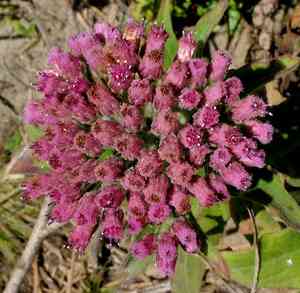
For best results, transplant sweetscent once the ground heats up in early spring, facilitating an easy adjustment. Select a location bathed in sunlight with moist earth. A helpful tip: careful handling safeguards sweetscent's root system, enhancing its vitality after relocation.
What Preparations are Needed Before Transplanting Sweetscent?
What is the Ideal Time for Transplanting Sweetscent?
The perfect time for moving sweetscent is at the beginning of summer. Transplanting sweetscent then ensures mild temperatures and stable conditions, promoting strong root development and plant establishment. Choosing this period for your gardening efforts allows sweetscent to benefit from extended daylight and seasonal rainfall, optimizing their transition and subsequent thriving in their new spot.
How Much Space Should You Leave Between Sweetscent Plants?
When you're ready to move your sweetscent, ensure each plant has ample room to thrive. A good guideline is to aim for about 2-3 feet (0.6-0.9 meters) of space between each plant. They will appreciate the room!
What is the Best Soil Mix for Sweetscent Transplanting?
For sweetscent, it's crucial to select a nutrient-rich soil. A loamy or sandy soil can be highly beneficial. Apply a base fertilizer before your transplanting efforts for an additional nutritional boost!
Where Should You Relocate Your Sweetscent?
When selecting a site for sweetscent, choose a location that receives full sunlight. This plant loves to absorb the sun's rays, so a spot where it can bask in light for most of the day would be absolutely ideal!
What Equipments Should You Prepare Before Transplantation Sweetscent?
Gardening Gloves
To safeguard your hands while working with the soil and sweetscent.
Garden Spade or Shovel
Crucial for digging holes and moving earth during the transplanting process.
Trowel
Useful for extracting smaller plants or seedlings, as it minimizes root damage.
Garden Hose or Watering Can
For hydrating the plant both before and after its relocation.
Wheelbarrow
Can be utilized to transport the plant from its original spot to its new one.
Organic Mulch
This will aid in retaining soil moisture once the plant has been moved.
Compost
To supply nutrients to the sweetscent and enrich the soil at the new planting site.
How Do You Remove Sweetscent from the Soil?
How Do You Remove Sweetscent from the Soil?
From ground: Start by watering the sweetscent plant to soften the earth. Using your garden spade or shovel, carefully dig a wide circle around the plant to avoid harming the root ball. Once you've dug a sufficient trench, work the spade beneath the plant and lift it from the ground. Keep the root ball intact for successful transplanting.From pot: First, water the sweetscent to ensure the soil and root ball remain cohesive. Turn the pot sideways, gently hold the plant by its base, and ease it out. If it resists, tap the bottom of the pot to loosen it; avoid pulling the plant as this can damage the roots.From seedling tray: The best method to remove seedlings is by using a trowel or a small spoon. Gently lift the sweetscent seedling from underneath, supporting the root ball, not the stem of the seedling. Ensure minimal contact with the plant to reduce transplant shock.
Step-by-Step Guide for Transplanting Sweetscent
Hydrating
Water the sweetscent several hours before moving it. This ensures the plant is well-hydrated and less stressed for the relocation.
Digging New Hole
The new planting hole should be twice as wide, but no deeper than the root ball. This provides ample space for root expansion.
Placing the Plant
Carefully position the sweetscent in the hole. Ensure it is not planted deeper than its original location. The top of the root ball should be level with the ground surface.
Filling the Hole
Gradually backfill the hole with soil, gently firming the soil around the plant with your hands. Avoid compacting the soil too much, which can hinder root growth.
Watering
Thoroughly water the sweetscent after transplanting. This helps the soil settle around the roots and lessens transplant shock.
Mulching
Apply compost and organic mulch around the plant's base, leaving a small gap near the stem. This helps maintain moisture and regulate soil temperature.
How Do You Care For Sweetscent After Transplanting?
Watering
Maintain consistently moist soil, but avoid waterlogging. Excessive water can lead to root rot.
Weed control
Sweetscent struggles against weeds, especially in its early stages. Regularly remove weeds near the plant for at least the first few weeks.
Checking
Periodically inspect the sweetscent to confirm it has settled properly and is healthy. Yellowing leaves or stunted growth can signal transplant shock, indicating the plant might need more care or protection from harsh conditions.
Prune
Not all sweetscent plants require pruning, but if yours does, remember to prune as needed to maintain its shape and remove any dead or diseased branches or leaves.
Troubleshooting Common Issues with Sweetscent Transplantation.
What's the most suitable time to transplant sweetscent?
The optimal time to move sweetscent is during S3, allowing the plant sufficient time to establish roots before periods of active growth.
How far apart should sweetscent be planted for optimal growth?
Sweetscent should ideally be spaced approximately 2-3 feet (60-90 cm) apart. This ensures adequate air circulation and room for development.
Is it necessary to water sweetscent immediately after transplanting them?
Absolutely! Providing sweetscent with a good watering right after transplanting helps minimize transplant shock, supports root establishment, and promotes healthy growth.
Should I prune sweetscent during transplanting?
Light pruning of sweetscent during transplant can help balance the loss of roots, reduce further dehydration, and aid recovery after transplanting.
How should I prepare the transplant hole for sweetscent?
Before transplanting sweetscent, make the transplant hole twice the width of the root ball and just as deep. This encourages healthy root spread.
What soil type is best for sweetscent during transplanting?
Sweetscent thrives in well-draining soil. Therefore, ensure the transplanting site has rich, fertile soil that drains effectively to keep your sweetscent healthy.
Should I add compost or fertilizer while transplanting sweetscent?
Yes, incorporating slow-release organic compost or fertilizer when transplanting sweetscent can supply essential nutrients and help the plant establish more quickly in its new location.
What should be the depth of planting sweetscent during transplanting?
Plant sweetscent at the same depth it was growing in its previous spot. This prevents the plant from suffocating or being deprived of vital nutrients.
How to minimize transplant shock in sweetscent?
Minimizing root disturbance, keeping roots moist during transplanting, and watering immediately afterward can help reduce transplant shock in sweetscent.
What type of pot or container should I use for transplanting sweetscent?
Choose a pot that is wider and deeper than the root ball of sweetscent. Ensure it has drainage holes to prevent waterlogging.



