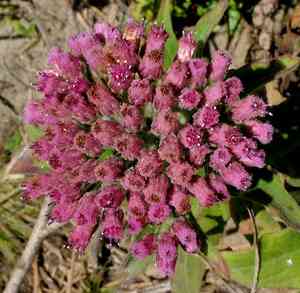
Sweetscent (Pluchea odorata)
Also known as: Saltmarsh fleabane, Spurbush, Marsh fleabane, Bitter tobacco
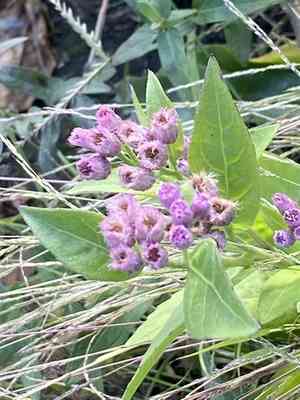
**Pluchea odorata**, commonly known as sweetscent, is a herb characterized by its purple flower heads and a pleasant camphor-like fragrance. It typically grows in wetlands across the Americas. In Hawaii, this introduced species is considered a noxious weed.
In This Article
Attributes of Sweetscent
Lifespan
Annual, Perennial
Plant Type
Herb
Plant Height
20 cm to 2 m
Spread
45 cm to 60 cm
Leaf Color
Green
Flower Size
6 mm to 1.6 cm
Flower Color
Pink Purple Red
Images of Sweetscent
Quickly Identify Sweetscent
1
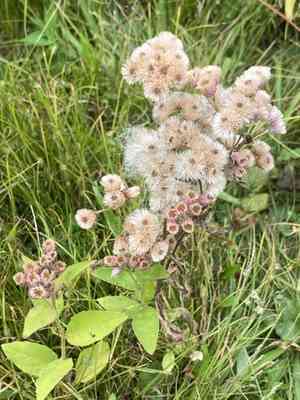
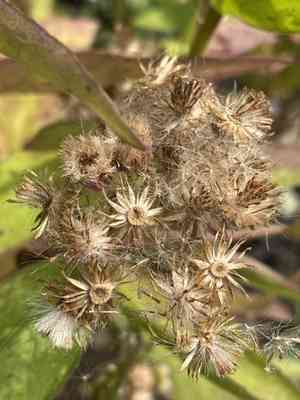
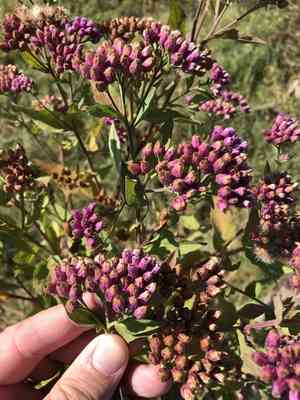
Pluchea odorata can be identified by its lance-shaped leaves with toothed margins, often covered in fine hairs, and clusters of small, pink to purple flowers that emit a pleasant fragrance.
Scientific Classification of Sweetscent
Phylum
Vascular plants
Class
Dicotyledons
Order
Asterales
Family
Daisy
Genus
Camphorweeds
Species
Sweetscent
Planting and Growing of Sweetscent
Care Difficulty
Easy
Watering Schedule
Every 4 days
Sunlight Requirements
Partial sun
Sunshine Duration
6-10 hours
Ideal Temperature
65-75℉
Soil Type
Potting Mix, Peat Mix
Soil pH
6.5-7.5
Fertilizer Type
Balanced
Pruning Season
Spring, Summer
Pruning Area
Branches, Leaves
Pruning Frequency
2 times a year
Repotting Season
Spring
Pot Type
Plastic, Terracotta
 How to Water Sweetscent?
The Pluchea odorata thrives when watered thoroughly, ensuring the soil remains moist but not waterlogged. Aim for about 250 ml each time, soaking the soil evenly and allowing excess water to drain away.
What are the symptoms of an underwatered Sweetscent?
›
What should I do if my Sweetscent is not getting enough water?
›
What are the symptoms of an overwatered Sweetscent?
›
How to save an overwatered Sweetscent?
›
 What Are the Sunlight Requirements for Sweetscent?
Pluchea odorata ideally flourishes in partial to full sun, favoring about 4 to 6 hours of direct sunlight. This balance supports healthy growth phases and prolific flowering, along with a more rich and vibrant appearance through its lifecycle.
More About Sunlight Requirements Techniques→
How much sun does Pluchea odorata need?
›
What if the plant receives insufficient sunlight?
›
Why is appropriate lighting important for Pluchea odorata?
›
 What Is the Ideal Temperature Range for Sweetscent?
The ideal temperature range for Pluchea odorata is between 65°F and 75°F. This range provides optimal conditions for their metabolic processes and growth, allowing the plant to thrive.
 What Soil is Best for Sweetscent?
Pluchea odorata thrives in well-drained soils that allow excess water to escape easily. This prevents root rot and supports healthy plant growth, ensuring that the roots receive ample oxygen. The plant requires moderately fertile soil to supply essential nutrients needed for vigorous growth. Ensuring a balance of nutrients aids in the plant's flowering and overall health. While Pluchea odorata requires drainage, it also benefits from soil that can retain adequate moisture. This combination helps sustain the plant during dry spells, maintaining optimal hydration levels.
 How to Fertilize Sweetscent?
Pluchea odorata thrives with a balanced feeding regimen. During the growing season, use a balanced 10-10-10 NPK fertilizer at half the recommended strength for liquid fertilizers. For slow-release fertilizers, aim for around 5 grams per plant, ensuring the nutrients are gradually absorbed without overwhelming the soil.
 How to Prune Sweetscent?
Begin by examining the plant for any dead or diseased branches, which should be your priority for removal. Use sterilized pruning shears to make clean cuts just above a healthy node. Focus on thinning out any overly dense areas to allow sunlight and air to penetrate the plant's interior, which helps in reducing fungal infections. Always prune back to the main stem or to a lateral bud to promote healthy growth.
More About Pruning Techniques→
 How to Propagate Sweetscent plant?
1
Harvest seeds from mature Pluchea odorata flowers when they turn brown and become dry. Make sure to collect during the morning hours to ensure maximum viability.
2
Select healthy, semi-hardwood branches for cuttings. Cut sections that are about 6 inches long, ensuring the cut is clean and use rooting hormone to encourage root growth.
3
When dividing the plant, carefully extract the rootball and separate it into smaller sections, each having roots and shoots. Ensure minimal root damage to maintain vigor.
 How to Repot Sweetscent plant?
1
You should consider repotting Pluchea odorata when you notice that roots are coming out of the drainage holes, or if the growth has significantly slowed down. Another signal is the soil drying out faster than usual, indicating root bound conditions. Choose to repot during its growing season for best results.
2
Select a pot that's one size larger than the current one with ample drainage holes. This ensures that excess water won't accumulate at the bottom, preventing root rot. A slightly larger pot encourages better root expansion without overwhelming the plant with too much soil.
3
A well-draining potting mix is essential for Pluchea odorata. Such soil consists of components like perlite or sand, providing optimal aeration and preventing root suffocation. This mix supports healthy plant growth by maintaining proper moisture balance and nutrient availability.



