How to Prune Sweetscent?
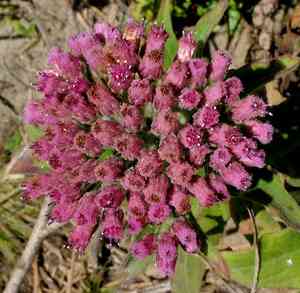
This resilient perennial, featuring pink-purple blossoms, flourishes in wetland environments and tolerates saline conditions. To preserve its form and vitality, remove any withered or compromised stalks, preferably in spring prior to the emergence of new shoots. Consistent trimming throughout the summer months fosters a denser growth habit. Autumnal pruning readies the plant for the colder season, eliminating faded flowers to inhibit unwanted self-propagation. These practices contribute to robust development and a greater abundance of blooms. Always employ sanitized, sharp implements to avert the spread of pathogens.
What Are the Benefits of Pruning Sweetscent?
What Are the Benefits of Pruning Sweetscent?
Trimming sweetscent promotes robust development and assists in preserving its desired form. By selectively eliminating plant sections, it can direct its energy towards generating new, healthy growth.
What Is the Best Time for Pruning Sweetscent?
What Is the Best Time for Pruning Sweetscent?
Late Spring is an optimal period for trimming sweetscent as the plant enters a vigorous growth phase post-dormancy, facilitating rapid healing of cuts and encouraging new growth to mature before winter. Early Fall, following the main blooming season, is another suitable time to prune sweetscent, allowing gardeners to shape the plant and remove spent flowers or growth before it prepares for winter dormancy. During these times, the risk of frost damage to new growth stimulated by pruning is minimal, and there are fewer active pests and diseases that could exploit pruning wounds. Pruning in Summer is not advised as it can stress the plant during its peak growing season, and hot weather may worsen the impact on sweetscent's health.
What Tools Do I Need to Prune Sweetscent?
Hand Pruners
Perfect for severing stems and branches up to 3/4 inch in diameter; ensures clean cuts, vital for maintaining sweetscent's well-being.
Pruning Saw
Essential for removing larger branches exceeding 3/4 inch in thickness; its serrated edge is ideal for cutting through woody stems without harming sweetscent.
Hedge Shears
Useful for shaping and managing the size of sweetscent, particularly for achieving a neat line when trimming numerous stems simultaneously.
Loppers
Offer leverage for cutting through branches between 3/4 inch and 2 inches in diameter; their long handles enable reaching into sweetscent without damaging other parts.
How to Prune Sweetscent
Clean Tools
Before beginning, ensure all pruning implements are clean and sharp to prevent disease transmission and to make precise cuts that sweetscent can recover from more effectively.
Inspect
Carefully examine sweetscent to identify withered foliage. Look for any indications of damage, discoloration, or illness that may also require attention during the pruning process.
Remove Withered
Using your pruning tools, gently detach the withered leaves at the base of their stems. Be cautious not to harm nearby healthy leaves and stems.
Dispose
After removing the withered leaves, promptly discard them away from sweetscent to prevent any potential disease spread. Do not compost diseased or withered foliage.
Cleanup
Clear away any remaining plant material from the area around sweetscent to maintain a tidy environment, which can help in preventing pest infestations and fungal growth.
Common Pruning Mistakes with Sweetscent
Over Pruning
Removing excessive foliage at once can stress sweetscent, leading to weakened growth or reduced blooming. This is a frequent error that can significantly hinder the plant's vitality.
Improper Cut Locations
Cutting too far from a node, or into old, woody growth without considering future shoots, can result in unattractive plants and poor regrowth.
Using Blunt Tools
Pruning with dull or unclean tools can cause unnecessary damage to sweetscent's stems, making the plant more vulnerable to diseases.
Neglecting Diseased Material
Failure to eliminate all diseased or dying foliage can allow infections to spread throughout sweetscent, compromising the plant's overall vigor.
Pruning Without Plan
Randomly snipping stems without understanding sweetscent's growth patterns can lead to unbalanced, unappealing shapes, and impede potential growth.
Common Pruning Tips for Sweetscent
Clean Tools
Always use clean, sharp implements to make precise cuts. This ensures rapid healing and minimizes the risk of disease for sweetscent.
Target Dead Diseased Foliage
Regularly remove dead or diseased foliage to maintain sweetscent's health and to encourage fresh growth and flowering.
Cut Above Nodes
Make cuts just above outward-facing nodes or leaf axils to promote a fuller shape and to direct new growth outward.
Thinning Crowded Areas
Thin out congested areas to improve air circulation and light penetration throughout sweetscent, which benefits overall plant health and blooming.
Maintain Natural Shape
Aim to preserve sweetscent's natural form by selectively pruning overgrown regions and shaping gently, rather than shearing back indiscriminately.



