How to Transplant Pleurothallis canaligera?
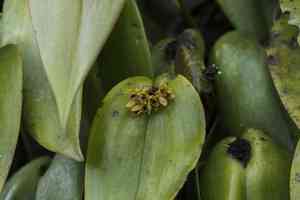
For pleurothallis canaligera, the most suitable period for repotting is during the changeover phases of early spring or late autumn. These intervals reduce transplant stress because of the more moderate temperatures. Verify that the new spot provides filtered light and elevated moisture levels for peak development.
What Preparations are Needed Before Transplanting Pleurothallis Canaligera?
What is the Ideal Time for Transplanting Pleurothallis Canaligera?
Moving pleurothallis canaligera in early to mid-spring is optimal as the ground begins to warm, promoting robust root development. This timing allows the plant to fully utilize the growing season, ensuring peak growth and blooming. Transplanting during this period also minimizes shock, giving pleurothallis canaligera a better chance to flourish.
How Much Space Should You Leave Between Pleurothallis Canaligera Plants?
When relocating pleurothallis canaligera, ensure a spacing of 5-8 inches (12-20 cm) between them. This provides ample room for expansion and air circulation, which helps prevent disease and encourages healthy development.
What is the Best Soil Mix for Pleurothallis Canaligera Transplanting?
For pleurothallis canaligera, utilize a well-draining orchid substrate or a blend of fine bark, perlite, and sphagnum moss. Incorporate a balanced base fertilizer, such as 20-20-20, to supply essential nutrients post-transplant.
Where Should You Relocate Your Pleurothallis Canaligera?
Position pleurothallis canaligera in a spot where it can receive bright, indirect illumination. Steer clear of direct sun, as it can scorch the foliage. North or east-facing windows are ideal locations.
What Equipments Should You Prepare Before Transplantation Pleurothallis Canaligera?
Gardening Gloves
To safeguard your hands while handling soil and the plant.
Shovel or Spade
To excavate the plant and prepare the ground for its new location.
Trowel
For more precise digging and to assist in removing smaller plants or working in confined areas.
Watering Can or Hose
To hydrate the plant before and after its move to lessen stress.
Wheelbarrow
To transport the plant if it is large or heavy.
Compost or Mulch
To enrich the soil quality and aid in moisture retention after the move.
How Do You Remove Pleurothallis Canaligera from the Soil?
How Do You Remove Pleurothallis Canaligera from the Soil?
From Ground: First, irrigate the pleurothallis canaligera plant to moisten the soil. Next, dig a wide trench around the plant using a shovel or spade, ensuring the plantâs root ball remains intact. Carefully work the spade beneath the root ball to lift the plant from its original spot.From Pot: Water the plant thoroughly, then gently turn the pot sideways while tapping the exterior to loosen the soil. Carefully slide the pleurothallis canaligera plant out, taking care not to harm the roots.From Seedling Tray: Water the seedlings and use a trowel or your hands to gently lift the young pleurothallis canaligera plants from the tray, taking as much soil as possible with the roots to minimize disruption.
Step-by-Step Guide for Transplanting Pleurothallis Canaligera
Site Preparation
Prepare the new planting site by digging a hole that is twice as wide and equally as deep as the pleurothallis canaligera plant's root ball.
Add Soil Amendments
Incorporate compost or organic material into the soil at the base of the hole to enhance drainage and nutrient content.
Plant Placement
Position the pleurothallis canaligera plant in the hole, ensuring it is upright and at the same depth as it was previously. Backfill around the roots with soil, pressing gently to eliminate air pockets.
Watering
Water the plant thoroughly immediately after transplanting to help settle the soil and reduce transplant shock.
Mulching
Apply a layer of mulch around the base of the pleurothallis canaligera plant to help maintain soil moisture and temperature.
How Do You Care For Pleurothallis Canaligera After Transplanting?
Watering
Keep the soil around the pleurothallis canaligera consistently moist, but not waterlogged, for the initial weeks post-transplant to aid in strong root establishment.
Monitoring
Regularly inspect the plant for indications of stress such as wilting or yellowing leaves, and adjust care as necessary.
Weeding
Keep the area surrounding the pleurothallis canaligera plant free of weeds to lessen competition for water and nutrients.
Troubleshooting Common Issues with Pleurothallis Canaligera Transplantation.
When is the best time to transplant pleurothallis canaligera?
The ideal periods are early spring, mid-spring, and from early winter to late winter.
What spacing should I use for transplanting pleurothallis canaligera?
Space plants 5-8 inches (13-20 cm) apart to ensure proper growth and airflow.
How do I prepare the soil for pleurothallis canaligera transplanting?
Ensure the soil drains well and is enriched with organic matter for optimal growth.
What are the signs pleurothallis canaligera need to be transplanted?
Look for congested roots, slower development, or the plant outgrowing its current container.
Should I water pleurothallis canaligera immediately after transplanting?
Yes, water thoroughly after planting to help settle the soil and reduce transplant shock.
How deep should I plant pleurothallis canaligera during transplanting?
Plant pleurothallis canaligera at the same depth it was growing previously to avoid stress.
What should I do if pleurothallis canaligera appears stressed after transplanting?
Ensure adequate watering, avoid direct sunlight initially, and provide a stable environment.
Can I use fertilizer when transplanting pleurothallis canaligera?
Avoid strong fertilizers immediately; a mild, balanced fertilizer can be applied after a few weeks.
How do I handle pleurothallis canaligera roots during transplanting?
Handle roots gently, trim any damaged sections, and spread them out in the new location.
What is the biggest mistake to avoid when transplanting pleurothallis canaligera?
Do not transplant during extreme weather, as this can lead to transplant shock and failure.



