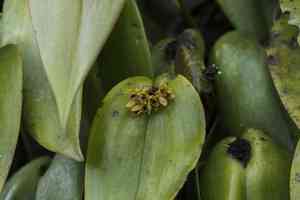
Pleurothallis canaligera (Pleurothallis canaligera)
Also known as: N/A
Pleurothallis canaligera is a captivating orchid with slender, ribbed stems, adorned by small, leathery leaves that exhibit a lush, green hue. The plant's flowers are its crowning glory, distinguished by a delicate, funnel-shaped lip. Thriving in misty, high-altitude habitats, pleurothallis canaligera has evolved to maximize water capture from the air, a testament to its resilience in the wild.
In This Article
Attributes of Pleurothallis canaligera
Lifespan
Perennial
Plant Type
Herb
Plant Height
10-15 cm
Spread
N/A
Leaf Color
Green
Flower Size
0.5-1 cm
Flower Color
Various (often yellow, red, or purple)
Images of Pleurothallis canaligera
Quickly Identify Pleurothallis canaligera
1
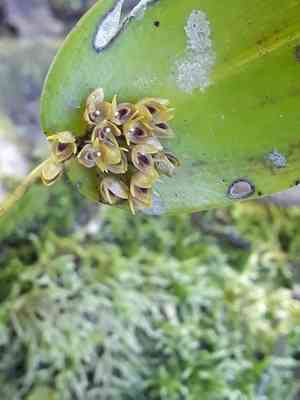
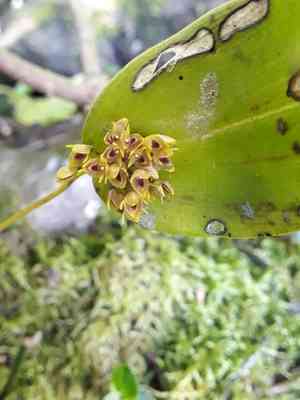
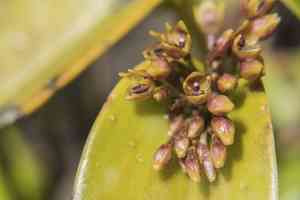
Pleurothallis canaligera can be identified by its slender, reed-like stems and small, intricately shaped flowers that are often a distinguishing feature of this species.
Scientific Classification of Pleurothallis canaligera
Phylum
Vascular plants
Class
Monocotyledons
Order
Asparagales
Family
Orchid
Genus
Bonnet orchid
Species
Pleurothallis canaligera
Planting and Growing of Pleurothallis canaligera
Care Difficulty
Hard
Watering Schedule
Every 3 days
Sunlight Requirements
Partial sun
Sunshine Duration
6-8 hours
Ideal Temperature
65-75℉
Soil Type
Potting Mix, Peat Mix
Soil pH
6.5-7.5
Fertilizer Type
Balanced
Pruning Season
Spring, Summer
Pruning Area
Branches, Leaves
Pruning Frequency
2 times a year
Repotting Season
Spring
Pot Type
Plastic, Ceramic
 How to Water Pleurothallis canaligera?
For Pleurothallis canaligera, the key is to always keep the soil slightly moist. You should aim to water thoroughly until about 100 milliliters have been absorbed into the soil, ensuring that the pot allows excess to drain away freely to avoid water-logging.
What are the symptoms of an underwatered Pleurothallis canaligera?
›
What should I do if my Pleurothallis canaligera is not getting enough water?
›
What are the symptoms of an overwatered Pleurothallis canaligera?
›
How to save an overwatered Pleurothallis canaligera?
›
 What Are the Sunlight Requirements for Pleurothallis canaligera?
Pleurothallis canaligera prefers partial sun exposure which simulates its natural environment. This balance allows it to sustain a healthy chlorophyll production rate, leading to vibrant growth and healthy foliage.
How much light does it need?
›
What if it receives too little light?
›
How to mimic ideal light conditions indoors?
›
 What Is the Ideal Temperature Range for Pleurothallis canaligera?
Pleurothallis canaligera thrives in temperatures ranging from 65°F to 75°F. This range mimics the temperate conditions found in its natural habitat, facilitating optimal growth and blooming. Maintaining these conditions helps ensure healthy plant development and prevents stress-induced issues.
 What Soil is Best for Pleurothallis canaligera?
Pleurothallis canaligera thrives in soil that maintains consistent moisture. Such soils prevent dehydration of the plant, supporting healthy growth and vibrant blooms. Proper aeration is crucial for this orchid species as it prevents root rot and ensures the roots have access to necessary oxygen. Well-aerated soil promotes thriving root systems and robust plant health. The plant benefits from soils enriched with organic matter, providing essential nutrients that boost growth and enhance foliage vibrancy.
 How to Fertilize Pleurothallis canaligera?
Pleurothallis canaligera requires a delicate balance when it comes to fertilization. Use a weak concentration, about 1/4 of the recommended strength, to avoid root burn and ensure healthy growth. Applying too much can lead to salt build-up, negatively impacting the plant's health. Always dilute liquid fertilizers properly and monitor the plant's response carefully.
 How to Prune Pleurothallis canaligera?
Opt for pruning in the spring and summer when the plant is actively growing. This is the best time to encourage new growth and repair damage from previous seasons. Begin by locating the unwanted parts of the plant and cut back to the base of the stem, ensuring you do not leave any stubs, which can invite pests or diseases. Post-pruning, ensure the plant is watered adequately and receives appropriate light. Keep an eye out for any signs of stress or disease, as pruned areas are more susceptible. Applying a fungicide or antibacterial solution to cut areas can help prevent infections, and maintaining good air circulation will help the plant recover and thrive.
More About Pruning Techniques→
 How to Propagate Pleurothallis canaligera plant?
1
Before starting the division, identify healthy sections of the plant that can be divided. Each section should have a good amount of roots and healthy leaves for successful propagation.
2
Water the plant a day before dividing to ensure roots are well hydrated. This helps to reduce stress during the division process and aids in the establishment of divided sections.
3
Using the sharp knife, carefully divide the plant into sections. Each section should have a good amount of roots. Ensure that the cuts are clean to minimize the risk of infection or rot.
 How to Repot Pleurothallis canaligera plant?
1
Repot Pleurothallis canaligera when you notice roots circling the pot or growing out of it, indicating they are becoming pot-bound. Other signals include a noticeable decline in plant vigor or when the potting medium becomes overly compacted, impacting drainage and aeration. Ideally, aim for repotting at the start of the growing season, to facilitate rapid recovery and new growth.
2
Select a pot that is only slightly larger than the current one to avoid excess soil that can retain too much moisture. Choose pots with excellent drainage holes to prevent waterlogging, a common issue with orchids. A breathable material like terracotta can help regulate moisture levels, promoting a healthy root environment and reducing the risk of rot.
3
Pleurothallis canaligera thrives in an orchid bark mix that provides ample aeration and drainage. This mix mimics its natural epiphytic environment, promoting root health by preventing excess moisture build-up. The inclusion of materials such as perlite or charcoal further enhances drainage and prevents soil compacting, which is crucial for orchid health.



