How to Prune Pleurothallis canaligera?
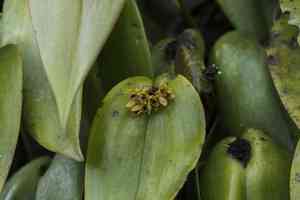
Pleurothallis canaligera exhibits distinctively formed foliage, rendering it a favored specimen among enthusiasts. Perform trimming from late winter through early spring, focusing on lifeless or ailing sections to stimulate fresh sprouts. Employ sanitized implements to prevent disease and shorten overly extended stalks to preserve its form. Consistent trimming improves air movement and light exposure, fostering the plant's general well-being. Since pleurothallis canaligera flourishes in particular environmental conditions, synchronize pruning with its developmental phase for peak outcomes.
What Are the Benefits of Pruning Pleurothallis Canaligera?
What Are the Benefits of Pruning Pleurothallis Canaligera?
Pruning Pleurothallis canaligera helps it grow strong and maintain its shape by encouraging healthy development, boosting blooms, managing size, improving looks, and fending off pests and diseases, leading to a more robust and attractive plant.
What Is the Best Time for Pruning Pleurothallis Canaligera?
What Is the Best Time for Pruning Pleurothallis Canaligera?
Trimming Pleurothallis canaligera in early spring or late winter is ideal, as it allows the plant to recover as it enters its active growth period. Pruning during these times helps control the plant's size and form without harming its health or delaying its flowering. It also reduces the risk of disease and pest issues, which are more common in warmer, growing months.
What Tools Do I Need to Prune Pleurothallis Canaligera?
Bypass Pruners
These are perfect for cutting live plant material without causing much harm. Their scissor-like action creates clean cuts, which is vital for Pleurothallis canaligera to prevent infections.
Precision Pruners
Smaller versions of bypass pruners, these tools are excellent for detailed tasks and reaching tight spots, which is crucial given Pleurothallis canaligera's compact growth habit.
Sterilization Supplies (Rubbing Alcohol or Bleach Solution)
Essential for sanitizing tools between cuts to stop the spread of disease, which is especially important for keeping Pleurothallis canaligera healthy.
Sharpener
Keeping blades sharp is important for clean cuts, promoting quick healing and reducing plant stress.
Gloves
While not a pruning tool itself, gloves protect the gardener's hands when working with Pleurothallis canaligera, particularly if handling other plants or irritants.
How to Prune Pleurothallis Canaligera
Inspect
Carefully check Pleurothallis canaligera for any diseased or withered leaves. Identify and mark the leaves that need to be removed to ensure you don't miss or damage healthy parts.
Tool Sterilization
Sanitize your pruning tools with isopropyl alcohol or a mild bleach solution to prevent any disease spread before beginning the actual trimming process.
Cut Diseased Leaves
Using sterilized scissors or pruning shears, make clean cuts at the base of the diseased leaves where they meet the main stem. Be careful not to damage the stem or other surrounding leaves.
Cut Withered Leaves
Remove the withered leaves by cutting them off at their base, similar to the diseased leaves. Ensure the cuts are clean to encourage healthy regrowth.
Disposal and Cleanup
Dispose of the trimmed diseased and withered leaves away from the plant area to avoid potential contamination. Clean your tools again, and check the plant for any remaining trimmings or debris.
Common Pruning Mistakes with Pleurothallis Canaligera
Improper Cutting Techniques
Many gardeners cut stems incorrectly, leading to uneven edges prone to disease. Use sterilized pruning shears and make clean, straight cuts.
Over-Pruning
Some gardeners tend to trim too much of the plant, which can stress Pleurothallis canaligera and negatively impact its growth. Avoid removing more than 25% of the plant at once.
Removing Flowering Stems
Inexperienced gardeners might mistakenly remove stems about to flower, reducing the plant's overall blooming potential. Understand which parts of Pleurothallis canaligera are flowering and avoid cutting those.
Pruning Too Close to the Base
Cutting too near the plant's base can harm vital growth nodes, hindering future growth and flowering.
Ignoring Dead and Diseased Parts
Sometimes, gardeners overlook removing dead or diseased parts, which can spread infections to healthy parts of Pleurothallis canaligera.
Common Pruning Tips for Pleurothallis Canaligera
Use Sharp and Clean Tools
Always use sharp, sterilized pruning shears to make clean cuts and prevent the spread of disease.
Identify the Flowering Stems
Recognize and avoid cutting stems that are about to flower to ensure Pleurothallis canaligera achieves its full blooming potential.
Focus on Dead and Diseased Parts First
Prioritize removing any dead, diseased, or damaged parts to promote overall plant health and prevent disease spread.
Avoid Over-Pruning
Limit pruning to no more than 25% of Pleurothallis canaligera to avoid stressing the plant and stunting its growth.
Make Cuts Above Growth Nodes
When cutting, ensure to make cuts just above the growth nodes rather than close to the base to encourage new growth.
Regular Maintenance
Regularly maintain and inspect Pleurothallis canaligera to catch any early signs of disease or dead parts that need removing. This helps keep the plant healthy throughout the year.



