How to Transplant Slender bog orchid?
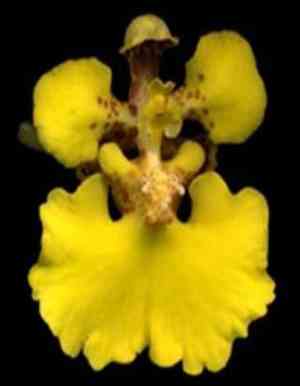
Slender bog orchid thrives when relocated during the middle to end of spring or the beginning to middle of autumn, since these seasons offer mild temperatures and consistent soil hydration. Select a spot with dappled sunlight and perpetually damp, adequately draining earth to foster robust development.
What Preparations are Needed Before Transplanting Slender Bog Orchid?
What is the Ideal Time for Transplanting Slender Bog Orchid?
For slender bog orchid, relocating in mid to late spring or early to mid-fall is optimal. These periods offer prime soil moisture and moderate temperatures, promoting successful root establishment. Moving them during these times reduces plant stress and leverages natural rainfall, leading to healthier development and better adaptation in the new spot.
How Much Space Should You Leave Between Slender Bog Orchid Plants?
When relocating slender bog orchid, maintain a distance of 12-15 inches (30-38 cm) between each specimen. This provides ample room for growth and prevents competition for resources.
What is the Best Soil Mix for Slender Bog Orchid Transplanting?
Ensure the soil is damp, rich in organic matter, and drains effectively. Incorporate a base layer of compost or a slow-release balanced fertilizer to supply essential nutrients for slender bog orchid. Aim for a pH level ranging from slightly acidic to neutral (5.5-7.0).
Where Should You Relocate Your Slender Bog Orchid?
Select a site for slender bog orchid that receives partial to full sun exposure. Ideally, the area should get at least 4-6 hours of sunlight daily, but avoid locations with excessive direct afternoon sun to prevent overheating and dehydration.
What Equipments Should You Prepare Before Transplantation Slender Bog Orchid?
Gardening Gloves
To safeguard your hands while handling soil and plants.
Shovel or Spade
To excavate the plant and create a new planting hole.
Watering Can or Hose
To hydrate the plant before and after relocation.
Trowel
To assist in loosening the soil surrounding the plant.
Bucket
For moving the plant with some soil from its original spot.
Pruning Shears
To trim any damaged or dead roots or foliage.
How Do You Remove Slender Bog Orchid from the Soil?
How Do You Remove Slender Bog Orchid from the Soil?
From Ground: First, moisten the slender bog orchid plant to dampen the soil. Then, dig a wide trench around the plant using a shovel or spade, ensuring the plant's root ball remains intact. Carefully work the spade beneath the root ball to lift the plant from its original location.From Pot: Water the slender bog orchid plant thoroughly. Gently invert the pot and tap the bottom to dislodge the plant. Carefully slide the plant out while supporting the root ball.From Seedling Tray: Water the plants in the tray. Use a trowel to gently lift each seedling by its root ball, taking care not to harm the delicate roots.
Step-by-Step Guide for Transplanting Slender Bog Orchid
Preparation
Ensure all tools are ready and the new site is prepared before extracting the slender bog orchid from its initial position.
Digging New Hole
At the new location, dig a hole that is twice as wide and the same depth as the slender bog orchid's root ball. This allows the roots ample room to spread.
Removal
Follow the appropriate extraction method for the slender bog orchid, whether it's from the ground, a pot, or a seedling tray.
Transplanting
Place the slender bog orchid into the hole, ensuring it is upright and at the same depth as it was previously. Backfill the hole with soil, gently pressing it around the plant's base.
Watering
Thoroughly water the slender bog orchid to help settle the soil around the roots and eliminate any air pockets.
How Do You Care For Slender Bog Orchid After Transplanting?
Watering
Keep the soil around the slender bog orchid consistently moist, but not waterlogged, for the initial weeks post-transplant to aid in strong root development.
Mulching
Apply a layer of mulch around the plant's base to help retain moisture and regulate soil temperature.
Monitoring
Regularly inspect the slender bog orchid for signs of stress, such as wilting or yellowing leaves, and confirm it is receiving adequate moisture.
Troubleshooting Common Issues with Slender Bog Orchid Transplantation.
When is the best time to transplant slender bog orchid?
Mid-spring, late spring, early fall, or mid-fall are ideal times for relocating slender bog orchid.
How much space should I leave between slender bog orchid plants?
Leave 12-15 inches (30-38 cm) between each slender bog orchid plant to ensure proper growth.
How do I prepare the soil for transplanting slender bog orchid?
Amend the soil with organic compost and ensure it drains well before relocating slender bog orchid.
What should I do if slender bog orchid leaves start yellowing after transplanting?
Ensure the soil is well-drained and not over-watered. Yellowing can indicate water stress.
How deep should I plant slender bog orchid during transplantation?
Plant slender bog orchid at the same depth it was growing in its original location.
How often should I water slender bog orchid after transplanting?
Water slender bog orchid thoroughly immediately after transplanting, then keep the soil consistently moist but not waterlogged.
What type of location is best for transplanting slender bog orchid?
Choose a location with partial shade to full sun and good air circulation for slender bog orchid.
Should I fertilize slender bog orchid after transplanting?
Use a balanced, water-soluble fertilizer lightly after slender bog orchid is established, not immediately after transplanting.
How to protect freshly transplanted slender bog orchid from pests?
Use organic pest repellents and keep the area around slender bog orchid clean to prevent pest issues.
What should I do if slender bog orchid wilts after transplanting?
Ensure it's not in direct harsh sunlight and keep the soil consistently moist but not soggy.



