How to Prune Slender bog orchid?
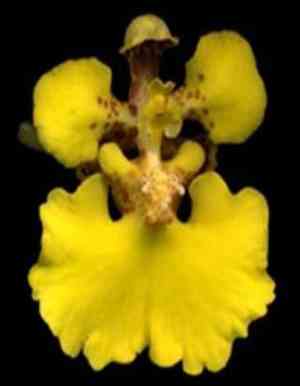
The graceful bog orchid, recognized for its delicate form and exquisite blossoms, thrives with judicious trimming to foster robust development and abundant flowering. The most suitable periods for pruning are in late winter or early spring, prior to the emergence of new shoots. Concentrate on excising any deceased or compromised stalks and reducing density in congested zones to enhance air movement. This practice aids in averting ailments and stimulates more prolific blooms. Consistent pruning not only preserves the plant's visual charm but also boosts its general vitality and well-being.
Advantages of Trimming Slender Bog Orchid
Advantages of Trimming Slender Bog Orchid
Trimming slender bog orchid encourages robust development, maintains its form, enhances its overall look, and boosts health by eliminating dead or diseased stems. Consistent trimming also promotes more abundant blooms, ensuring a healthier, more appealing plant.
Optimal Time for Trimming Slender Bog Orchid
Optimal Time for Trimming Slender Bog Orchid
Trimming slender bog orchid in early spring or late winter is ideal as it allows the plant to recover before its active growth period. During these times, slender bog orchid is typically dormant or less active, which minimizes infection and stress risks. Furthermore, pruning before new growth begins ensures the plant can focus energy on producing strong, healthy shoots and flowers during the growing season. Trimming at these times also helps maintain slender bog orchid's overall health and shape, encouraging vigorous flowering.
Necessary Tools for Trimming Slender Bog Orchid
Small Pruning Shears
Crucial for precise cuts and minimizing harm to slender bog orchid's delicate stems.
Fine Point Scissors
Useful for snipping small, tender parts without causing undue stress to slender bog orchid.
Sterilizing Solution
Important for preventing disease spread; always sanitize tools before and after use.
Gloves
Protective gear to prevent injury when handling slender bog orchid and to avoid plant contamination.
How to Trim Slender Bog Orchid
Inspect
Carefully examine slender bog orchid to identify diseased or withered leaves. Look for discoloration, spots, or signs of decay.
Sanitize
Clean your pruning scissors or shears with rubbing alcohol or a bleach solution to prevent disease spread.
Remove diseased
Trim off any diseased leaves at the base using sanitized tools. Ensure cuts are as close to the base as possible without harming the main stem.
Remove withered
Cut away withered leaves by clipping them near the base. Be careful not to remove any healthy, green parts of the plant.
Dispose
Discard removed leaves away from the plant area to prevent any potential disease spread. Consider burning or securely bagging them.
Common Trimming Errors with Slender Bog Orchid
Over-trimming
Removing too many leaves or stems can stress slender bog orchid, leading to poor growth and fewer blooms. Avoid drastic cuts that could hinder the plant's ability to photosynthesize and recover.
Improper Technique
Using dull or dirty trimming tools can cause jagged cuts, making slender bog orchid vulnerable to diseases and pests. Always use sharp, clean tools for a clean cut.
Incorrect Timing
Trimming at the wrong stage of slender bog orchid's growth cycle may interfere with its natural development, especially its flowering phase. Ensure timing aligns with the plant's needs for optimal health.
Ignoring Dead or Damaged Parts
Failing to remove dead or damaged stems can attract pests and diseases, further compromising the plant's vitality. Regularly inspect and trim away any compromised parts.
General Trimming Advice for Slender Bog Orchid
Use Clean, Sharp Tools
Ensure your trimming shears or scissors are sharp and sanitized to prevent disease spread. Clean cuts promote faster healing for slender bog orchid.
Remove Spent Flower Stalks
After slender bog orchid has finished blooming, promptly remove the spent flower stalks. This practice can help redirect the plant's energy towards root and leaf development.
Target Dead or Damaged Growth
Regularly check for and eliminate any dead or damaged stems and leaves. This not only enhances slender bog orchid's appearance but also prevents disease and pest infestations.
Minimal Trimming for New Plants
When slender bog orchid is newly planted, avoid heavy trimming. Allow it time to establish a strong root system before performing significant cuts. Light trimming may be done only to shape the young plant.
Encourage Airflow
Trim to maintain a balanced, open structure that allows good airflow through slender bog orchid. This helps reduce the risk of fungal infections and supports healthy growth.
Observe and Adapt
Regularly monitor slender bog orchid's response to trimming. If you notice any adverse effects, adjust your trimming technique and approach accordingly to ensure continuous healthy growth.



