How to Transplant Hooker's orchid?
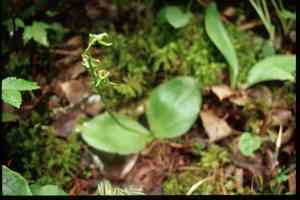
Hooker's orchid flourishes when relocated in mid-spring. Select a dim, damp spot to replicate its native forest environment. Guarantee proper water runoff to avert root decay. Handle with care to safeguard fragile roots.
What Preparations are Needed Before Transplanting Hooker's Orchid?
What is the Ideal Time for Transplanting Hooker's Orchid?
Hooker's orchid, a perennial plant, should ideally be moved in mid to late spring. This timing allows the plant to establish roots before the summer heat, leading to improved growth and blooming. Relocating during these periods also minimizes transplant shock, ensuring hooker's orchid adapts well to its new spot.
How Much Space Should You Leave Between Hooker's Orchid Plants?
When relocating hooker's orchid, ensure to position each plant 12-18 inches (30-45 cm) apart. This provides them with ample room to grow without competing for resources.
What is the Best Soil Mix for Hooker's Orchid Transplanting?
Prepare the soil by selecting a well-draining, loamy type. Enrich it with an organic base fertilizer to supply essential nutrients. Hooker's orchid thrives best in this kind of environment.
Where Should You Relocate Your Hooker's Orchid?
Choose a location that receives partial to full shade. Hooker's orchid prefers filtered sunlight rather than direct sun, mimicking its natural woodland habitat.
What Equipments Should You Prepare Before Transplantation Hooker's Orchid?
Gardening Gloves
To safeguard your hands while working with the soil and plant.
Shovel or Spade
To excavate the planting hole and to extract the plant from its original spot.
Hand Trowel
For more precise digging tasks and to assist in transferring soil.
Garden Fork
To loosen and aerate the soil surrounding the plant.
Pruning Shears
To trim any damaged roots or leaves.
Watering Can or Hose
To hydrate the plant before and after relocation.
Burlap or Old Sheet
To safely transport the plant without harming the roots.
Mulch
To help retain soil moisture and suppress weeds after transplanting.
How Do You Remove Hooker's Orchid from the Soil?
How Do You Remove Hooker's Orchid from the Soil?
From Ground: First, water the hooker's orchid plant to moisten the soil. Then, dig a wide trench around the plant using a shovel or spade, ensuring the plant's root ball remains intact. Carefully work the spade under the root ball to lift the plant from its original location.From Pot: Water the hooker's orchid plant thoroughly. Gently tip the pot on its side and tap the rim to loosen the soil. Carefully slide the plant out, supporting the root ball with your hands. If the plant is stuck, use the hand trowel to loosen the edges.From Seedling Tray: Water the hooker's orchid seedlings lightly. Use a hand trowel to gently lift each seedling, supporting the root ball and soil. Handle by the leaves, not the stem, to avoid damage.
Step-by-Step Guide for Transplanting Hooker's Orchid
Site Preparation
Choose a location with appropriate conditions for your hooker's orchid. Dig a hole twice as wide and deep as the plant's root ball to give the roots room to spread.
Root Examination
Gently shake off excess soil from the roots of the hooker's orchid plant. Trim any damaged or overly long roots with pruning shears.
Planting
Place the hooker's orchid plant in the center of the hole, ensuring it is at the same depth as it was in its original location. Start filling the hole with soil, gently pressing down to eliminate air pockets.
Watering In
Water the hooker's orchid plant thoroughly to help settle the soil and provide moisture to the roots. Ensure the water penetrates deeply into the soil.
Mulching
Apply a layer of mulch around the base of the hooker's orchid plant, avoiding direct contact with the stem. This helps retain moisture and suppress weeds.
How Do You Care For Hooker's Orchid After Transplanting?
Watering
Keep the soil around the hooker's orchid consistently moist, but not soggy, for the first few weeks after transplanting to help establish strong roots.
Monitoring
Check the hooker's orchid plant regularly for signs of transplant shock, such as wilting leaves or slowed growth, and provide additional water if needed.
Protection
Protect the hooker's orchid plant from extreme weather conditions by providing shade or shelter if necessary. A temporary windbreak or shade cloth can be helpful.
Troubleshooting Common Issues with Hooker's Orchid Transplantation.
What is the best time to transplant hooker's orchid?
The ideal time to transplant hooker's orchid is mid to late spring for optimal growth.
How much space should I give hooker's orchid during transplanting?
Ensure a spacing of 12-18 inches (30-45 cm) between each plant for healthy development.
Should I water hooker's orchid immediately after transplanting?
Yes, water hooker's orchid thoroughly after transplanting to help settle the soil around the roots.
What type of soil is best for hooker's orchid?
Well-draining soil rich in organic matter is ideal for hooker's orchid's roots.
How deep should I plant hooker's orchid?
Plant hooker's orchid at the same depth as it was growing previously to avoid stress.
Can I transplant hooker's orchid in full sun?
Transplant hooker's orchid in a shaded or partially shaded location to mimic its natural habitat.
How can I prevent transplant shock in hooker's orchid?
Handle the roots gently and keep them moist during the transplanting process to reduce shock.
Do I need to trim hooker's orchid's roots before transplanting?
No, avoid trimming the roots. Keep them intact and minimize disturbance for better establishment.
Should I fertilize hooker's orchid after transplanting?
Wait a few weeks before fertilizing hooker's orchid to allow the plant to adjust and establish first.
What should I do if hooker's orchid wilts after transplanting?
Ensure adequate watering and possibly provide temporary shade to help it recover from transplant stress.



