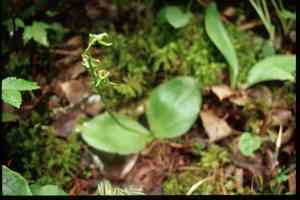
Hooker's orchid (Platanthera hookeri)
Also known as: Hooker's Orchid
Platanthera hookeri, commonly referred to as Hooker's orchid or Hooker's bog orchid, is a perennial wildflower native to temperate regions of North America, spanning from Iowa to Newfoundland.
In This Article
Attributes of Hooker's orchid
Lifespan
Perennial
Plant Type
Herb
Plant Height
20 cm to 41 cm
Spread
N/A
Leaf Color
Green
Flower Size
Approximately 1 cm
Flower Color
White Yellow Green
Images of Hooker's orchid
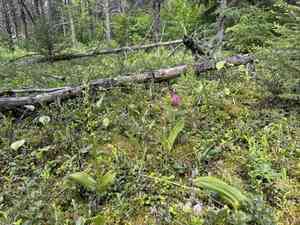
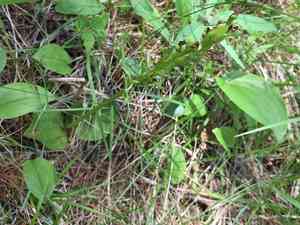
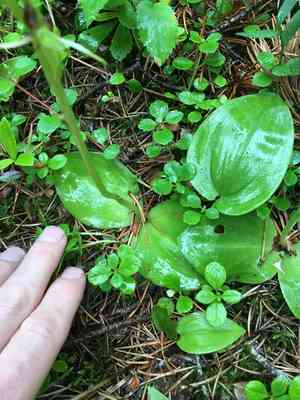
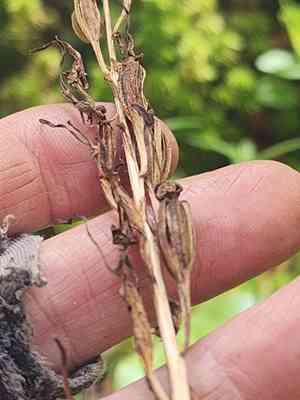
Quickly Identify Hooker's orchid
1
Platanthera hookeri can be identified by its broad, oval leaves at the base, and greenish-yellow flowers arranged in a dense spike. Its flowers have a distinct spur.
Scientific Classification of Hooker's orchid
Phylum
Vascular plants
Class
Monocotyledons
Order
Asparagales
Family
Orchid
Genus
Bog orchids
Species
Hooker's orchid
Planting and Growing of Hooker's orchid
Care Difficulty
Hard
Watering Schedule
Every 3 days
Sunlight Requirements
Partial sun
Sunshine Duration
4-8 hours
Ideal Temperature
60-75℉
Soil Type
Potting Mix, Peat Mix
Soil pH
6.5-7.5
Fertilizer Type
Balanced
Pruning Season
Spring, Summer
Pruning Area
Branches, Leaves
Pruning Frequency
2 times a year
Repotting Season
Spring
Pot Type
Plastic, Ceramic
 How to Water Hooker's orchid?
For Platanthera hookeri, each watering session should provide around 100 ml of water. The principle is to keep the soil consistently moist without causing stagnation, ensuring even distribution of moisture throughout the root system.
What are the symptoms of an underwatered Hooker's orchid?
›
What should I do if my Hooker's orchid is not getting enough water?
›
What are the symptoms of an overwatered Hooker's orchid?
›
How to save an overwatered Hooker's orchid?
›
 What Are the Sunlight Requirements for Hooker's orchid?
Partial sunlight ranging from dappled to light shade is ideal for Platanthera hookeri. Maintaining this balance supports enhanced photosynthesis, optimal growth, vibrant blooming, and fortified resilience against stressors.
How much sunlight should Platanthera hookeri receive?
›
Where is the ideal location to plant Platanthera hookeri?
›
What adjustments can be made for optimal lighting?
›
 What Is the Ideal Temperature Range for Hooker's orchid?
For Platanthera hookeri, the ideal temperature range is between 60°F and 75°F. Within this range, the plant can optimize its growth processes, from photosynthesis to nutrient absorption. Ensuring a stable environment within these temperatures helps in maintaining healthy foliage and encourages blooming.
 What Soil is Best for Hooker's orchid?
Platanthera hookeri thrives in soils that have adequate moisture retention. Loamy soils rich in organic matter can hold moisture effectively, ensuring that the roots of the plant remain hydrated without becoming waterlogged. This is crucial for maintaining the plant's health and promoting consistent growth. The plant benefits from soils rich in nutrients, which support its lush foliage and flowering needs. Soils that naturally contain organic matter, like peat and loam, provide essential nutrients that encourage robust growth and vibrant blooms. While moisture is important, Platanthera hookeri requires soils that provide good drainage to prevent root rot. Well-draining soils, such as a loamy soil mixed with some sand, allow excess water to escape, protecting the delicate root system.
 How to Fertilize Hooker's orchid?
For Platanthera hookeri, a delicate touch is required. When using liquid fertilizer, opt for a diluted solution, mixing it to half the suggested strength given on the package. This ensures the plant receives nutrients without the risk of root burn, which can be a concern for more sensitive orchids.
 How to Prune Hooker's orchid?
Begin by locating flowers that have already bloomed and started wilting. Cut these back using sterilized scissors to promote plant energy redistribution towards new growth. Before making any cuts, ensure your pruning tools are clean and sterilized. This practice limits the risk of transferring diseases or infections to the plant.
More About Pruning Techniques→
 How to Propagate Hooker's orchid plant?
1
Start by sowing the seeds evenly on the surface of the sterilized potting mix. Lightly cover them with a thin layer of mix, ensuring they are not buried too deeply, as light aids germination.
2
Mist the seed tray gently to avoid disturbing the seeds. Cover the tray with a plastic dome or place it inside a plastic bag to maintain high humidity without waterlogging the seeds.
3
Place the covered seed tray in a location with indirect sunlight, maintaining a temperature of around 18-22°C (65-72°F). Consistent light and warmth are key to successful germination.
 How to Repot Hooker's orchid plant?
1
Platanthera hookeri shows the need for repotting when you notice that the roots are outgrowing the pot or circling the bottom. Another signal is if the soil deteriorates, becoming hard or less effective at draining water. This usually happens after 2-3 years, so keep an eye out during early Spring or late Summer.
2
Opt for a pot that is just one size larger than the current one. This helps in preventing the plant from getting overwhelmed with too much soil, which can lead to waterlogging. A pot with drainage holes is necessary to ensure proper drainage, crucial for Platanthera hookeri's rhizomes.
3
Choose an acidic well-draining soil mix that mimics their natural woodland environment. This type of soil supports adequate aeration and moisture control, which is vital for the rhizomes' health and the plant's growth in its new home.
Learn More About Hooker's orchid Diseases
Anthracnose
Bacterial Leaf Spot
Bacterial Soft Rot
Bacterial Wilt
Chemical Injury
Crown Gall
Cyst Nematode
Damping-off
Downy Mildew
Drought Stress
Fusarium Wilt
Gray Mold
Leaf Spot
Mosaic
Nutrient Deficiency
Nutrient Toxicity
Powdery Mildew
Root Rot
Root-knot Nematode
Rusts
Sooty Mold
Spider Mites
Temperature Stress
Thrips Damage
White Mold



