How to Transplant Glandular plantain?
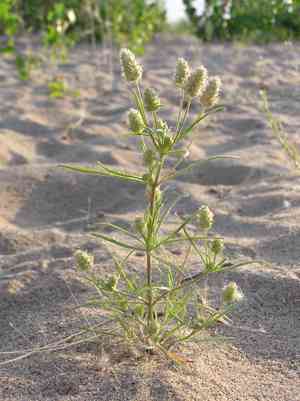
For an optimal beginning for glandular plantain, target the period when the ground becomes active – the ideal window between the conclusion of the blooming season and the onset of the initial warm period. Select a bright spot that offers effective water runoff. Bear in mind, delicate manipulation is crucial – treat its root system with the care due to a fragile young plant.
What Preparations are Needed Before Transplanting Glandular Plantain?
What is the Ideal Time for Transplanting Glandular Plantain?
The best time to move glandular plantain is in late spring, after winter's cold, and into early summer. This period allows for strong root growth in the warming soil, promoting vigorous development. This timing aligns the transplanting with glandular plantain's natural growth cycle, boosting its chances of thriving all summer.
How Much Space Should You Leave Between Glandular Plantain Plants?
Glandular plantain needs room to grow, so when moving them, aim for about 6-8 inches (15-20 cm) of space between each plant. This provides ample room for each plant to thrive!
What is the Best Soil Mix for Glandular Plantain Transplanting?
Before glandular plantain settles in, ensure their bed is comfortable! Well-draining soil, rich in organic matter, is perfect. A gentle mix of a balanced, slow-release fertilizer will help glandular plantain start strong.
Where Should You Relocate Your Glandular Plantain?
Your glandular plantain loves sunlight, so choose a sunny spot where they can get full sun for most of the day. This will help your glandular plantain grow healthy and strong. Remember, the sun is their best friend!
What Equipments Should You Prepare Before Transplantation Glandular Plantain?
Gardening Gloves
To safeguard your hands while handling soil and plants.
Spade or Shovel
For excavating the plant and preparing the new planting site.
Watering Can or Hose
To hydrate the plant before and after relocation.
Gardening Trowel
For delicate tasks involving plants and soil.
Pruning Shears
For trimming any dead or excess growth if necessary.
Wheelbarrow or Garden Cart
To move the plant and soil efficiently.
Measuring Tape
To correctly space plants according to their mature size.
Stakes or Supports
If glandular plantain requires assistance during its initial establishment phase.
How Do You Remove Glandular Plantain from the Soil?
How Do You Remove Glandular Plantain from the Soil?
From Ground: First, water glandular plantain to soften the soil. Use a shovel or spade to dig a wide trench around the plant, being careful to keep the root ball intact. Gently pry the spade under the root ball to lift the plant from its spot.From Pot: Water glandular plantain and allow it to drain. Turn the pot on its side and tap the bottom to loosen the root ball. Hold the stem's base and carefully slide the plant out, supporting the root ball with your other hand.From Seedling Tray: Moisten the soil in the tray for easier removal. Use a gardening trowel or a dibber to gently lift each seedling by pushing up from the cell's bottom, supporting the root ball.
Step-by-Step Guide for Transplanting Glandular Plantain
Prepare New Site
Choose a suitable location in the ground where glandular plantain can flourish, considering plant spacing.
Dig Hole
Use the spade to dig a hole large enough for glandular plantain's root ball. The hole should be as deep as the root ball and twice as wide.
Transfer Plant
Place glandular plantain in the hole's center. The root ball's top should be level with the surrounding soil surface.
Fill The Hole
Backfill the hole with native soil. Gently firm the soil around glandular plantain to remove air pockets without over-compacting.
Water Immediately
Ensure glandular plantain is thoroughly watered after planting to settle the soil and aid recovery from transplant shock.
Stabilize Plant
If needed, insert stakes or other supports into the ground to help glandular plantain stand upright without disturbing the root ball.
Mulch
Apply a layer of organic mulch around glandular plantain, keeping it away from the stem, to retain soil moisture and regulate temperature.
How Do You Care For Glandular Plantain After Transplanting?
Initial Watering
Provide ample water to help glandular plantain settle in its new spot, reducing frequency as it roots.
Weeding
Remove competing weeds to prevent them from taking nutrients and water needed by glandular plantain.
Observation
Watch glandular plantain for any signs of stress, such as wilting or discolored leaves, and address issues promptly.
Staking
Regularly check any supports used for glandular plantain to ensure they are effective and not harming the plant.
Seasonal Care
Be mindful of changing weather, like extreme heat or cold, and protect glandular plantain if necessary.
Troubleshooting Common Issues with Glandular Plantain Transplantation.
When's the best time to transplant glandular plantain?
The ideal period is late spring to early summer, once frost danger has passed.
How far apart should I space glandular plantain when transplanting?
Allow a generous 6-8 inches (15-20 cm) between each glandular plantain for ample growth.
What should I do if glandular plantain wilts after transplanting?
Ensure the soil is consistently moist and that glandular plantain isn't exposed to direct sun immediately after transplanting.
Why are my transplanted glandular plantains turning yellow?
Yellowing may indicate overwatering or poor drainage. Check moisture levels and adjust as needed.
How deep should I plant glandular plantain seedlings?
Plant seedlings so the root ball is level with the soil surface, not deeper.
Can I transplant glandular plantain on an overcast day?
Yes, cloudy days are perfect as they lessen transplant shock by reducing sun exposure.
Should I water glandular plantain immediately after transplanting?
Absolutely! Water gently to settle the soil around the roots and hydrate the plant.
What type of soil is best for transplanting glandular plantain?
Well-draining soil rich in organic matter provides an excellent home for glandular plantain.
How can I tell if glandular plantain has transplant shock?
Signs include drooping leaves, wilting, and stunted growth. Minimize stress with consistent care.
Can mulch benefit glandular plantain after transplanting?
Indeed! Mulch helps retain moisture, regulate soil temperature, and reduce weed competition.



