How to Prune Glandular plantain?
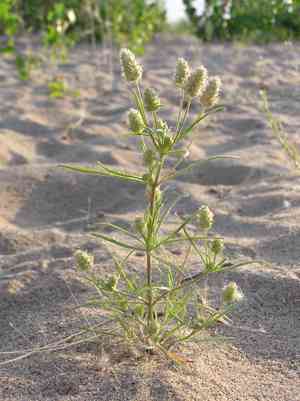
A resilient herb characterized by prominent glandular trichomes, glandular plantain flourishes with consistent trimming. Optimal trimming periods extend from spring to autumn to foster denser development and eliminate withered flower stalks, thereby boosting the subsequent season's vitality. Remove discolored leaves to preserve an appealing shape. Trimming aids in better air movement, potentially increasing resilience against infestations and ailments. Execute timely cuts for garden beauty and plant strength without intricate pruning requirements.
Advantages of Trimming Glandular Plantain
Advantages of Trimming Glandular Plantain
Trimming glandular plantain promotes robust development and helps maintain its desired form, which is crucial for the plant's appearance and well-being.
Optimal Timing for Pruning Glandular Plantain
Optimal Timing for Pruning Glandular Plantain
Pruning glandular plantain in spring coincides with the start of its active growth phase, allowing the plant to recover and produce new growth quickly. Early summer pruning benefits glandular plantain by removing spent flower stalks, thereby encouraging a potential second bloom and preventing unwanted seed dispersal. Fall pruning facilitates the removal of old or dead foliage, which prepares glandular plantain for dormancy, reduces disease risks, and promotes healthier regrowth the following spring. These recommendations are based on glandular plantain's life cycle, which involves active growth during warmer months and dormancy in colder periods. By adhering to these guidelines, gardeners can ensure glandular plantain's vitality and blooming potential are sustained or enhanced.
Necessary Tools for Pruning Glandular Plantain
Hand Pruners
Perfect for making clean cuts on glandular plantain's thinner stems and leaves. Hand pruners, also known as secateurs, offer precise control, essential for maintaining the plant's shape without causing undue harm.
Garden Scissors
Garden scissors are suitable for snipping off glandular plantain's faded flower heads or trimming smaller, softer foliage. Their sharp blades allow for swift, accurate cutting, minimizing stress on the plant.
Pruning Shears
Pruning shears, especially those with a bypass blade design, are effective for cutting through glandular plantain's slightly thicker stems. They create a clean cut that helps prevent disease entry points.
How to Prune Glandular Plantain
Clean tools
Ensure all pruning tools are clean and sanitized to prevent the spread of disease when trimming glandular plantain.
Identify
Carefully inspect glandular plantain to locate withered leaves that are brown, dry, or visibly damaged.
Cut
Using sharp scissors or pruners, make a clean cut to remove the withered leaves at the stem's base, avoiding damage to healthy tissue.
Dispose
Promptly discard the removed withered leaves to prevent any potential disease spread in the garden area.
Sanitize
After pruning, cleanse the tools again to prevent cross-contamination before their next use.
Common Pruning Errors with Glandular Plantain
Overpruning
Removing too much foliage from glandular plantain at once can weaken the plant and disrupt its growth cycle. Aim to cut back no more than one-third of the plant at a time.
Improper tool use
Using dull or dirty pruning shears can damage the stems of glandular plantain and introduce diseases. Always use clean, sharp tools to make clean cuts.
Random cuts
Avoid indiscriminate cutting, which can result in poor growth patterns and reduce the plant's overall vitality. Prune with intention, understanding the growth habits of glandular plantain.
Neglecting dead material
Failing to remove dead or diseased foliage prevents glandular plantain from directing its energy towards healthy growth and may invite pests or diseases.
Same spot pruning
Repeatedly cutting glandular plantain in the same spot can cause stress and stunt growth. Instead, vary the pruning locations to promote even growth and more robust plants.
Immediate pruning of new plants
Pruning glandular plantain too soon after planting can hinder establishment in its new environment. Allow young plants to develop a strong root system before initiating pruning.
General Pruning Advice for Glandular Plantain
Disinfect tools
Before and after pruning glandular plantain, disinfect your tools to prevent the spread of diseases. Use a solution of bleach or rubbing alcohol for effective disinfection.
Focus on shape
Prune glandular plantain to maintain its natural shape, encouraging a pleasing form and strong structure. This will also improve airflow and light penetration.
Gradual pruning
Spread pruning over a season to minimize stress on glandular plantain. For mature plants requiring substantial shaping or size reduction, prune gradually over a few years.
Identify growth points
Glandular plantain responds well when pruned above outward-facing leaves or buds. This encourages outward growth and avoids congestion at the center of the plant.
Rejuvenation trimming
For older or overgrown specimens of glandular plantain, consider rejuvenation pruning. Remove the oldest stems to ground level to stimulate new, vigorous growth from the base.
Judicious thinning
Thin out crowded stems of glandular plantain to increase light penetration and air circulation within the plant, reducing the risk of fungal infections and encouraging even growth.



