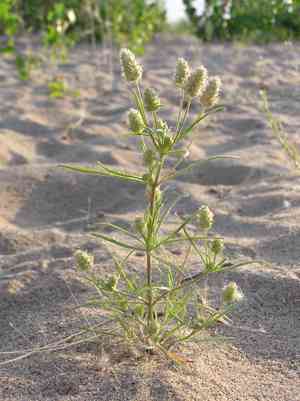
Glandular plantain (Plantago afra)
Also known as: Fleaseed plantain, Psyllion
Glandular plantain is present in Malta and nearby areas. However, it is not included in the Red Data Book of the Maltese Islands. This plant resembles other species in its genus, distinguished by its broader leaves.
In This Article
Attributes of Glandular plantain
Lifespan
Annual
Plant Type
Herb
Plant Height
30 cm
Spread
10-20 cm
Leaf Color
Green
Flower Size
2.5 cm
Flower Color
Yellow Green Purple
Images of Glandular plantain
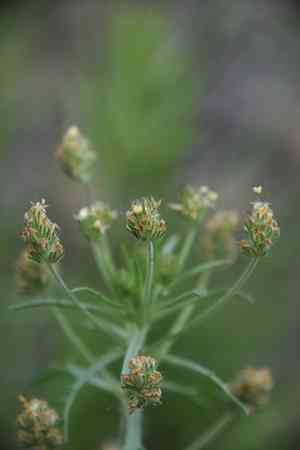
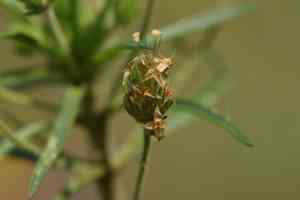
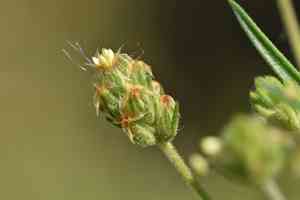
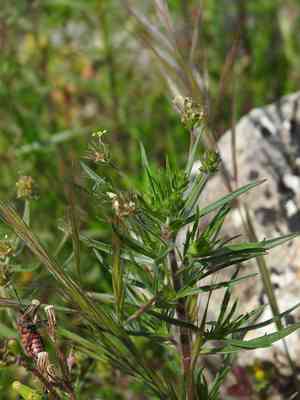
Quickly Identify Glandular plantain
1
Plantago afra can be identified by its narrow, lanceolate leaves arranged in a rosette pattern. The plant produces small, inconspicuous flowers on long, slender spikes. The seeds are shiny, black or dark brown, and are encased in husks.
Scientific Classification of Glandular plantain
Phylum
Vascular plants
Class
Dicotyledons
Order
Lamiales
Family
Plantain
Genus
Plantains
Species
Glandular plantain
Planting and Growing of Glandular plantain
Care Difficulty
Easy
Watering Schedule
Every 2 days
Sunlight Requirements
Full sun
Sunshine Duration
4-8 hours
Ideal Temperature
59-77℉
Soil Type
Potting Mix, Peat Mix
Soil pH
6.5-7.5
Fertilizer Type
Balanced
Pruning Season
Spring, Summer
Pruning Area
Branches, Leaves
Pruning Frequency
2 times a year
Repotting Season
Spring
Pot Type
Plastic, Ceramic
 How to Water Glandular plantain?
When watering Plantago afra, aim to moisten the soil without making it soggy. Typically, 150 ml is sufficient to reach this balance, ensuring that the topsoil is damp but not drenched. This helps in maintaining an adequate moisture level for the roots without causing water logging.
What are the symptoms of an underwatered Glandular plantain?
›
What should I do if my Glandular plantain is not getting enough water?
›
What are the symptoms of an overwatered Glandular plantain?
›
How to save an overwatered Glandular plantain?
›
 What Are the Sunlight Requirements for Glandular plantain?
Plantago afra thrives best in full sun to partial sun settings, with an ideal daily exposure of 6-8 hours. Such conditions ensure vigorous growth, healthy foliage, and optimal flowering, harnessing energy from the sun effectively.
More About Sunlight Requirements Techniques→
Is full sun suitable for Plantago afra?
›
Can Plantago afra tolerate partial sun?
›
What measures ensure optimal light conditions for Plantago afra?
›
 What Is the Ideal Temperature Range for Glandular plantain?
The ideal temperature range for Plantago afra growth is between 59°F and 77°F. This range ensures optimal physiological processes, promoting healthy growth and maximizing reproduction rates. Maintaining this temperature range facilitates better enzyme activity and photosynthesis, crucial for the plant's development.
 What Soil is Best for Glandular plantain?
Plantago afra requires well-drained soil, a critical factor that prevents root rot and allows the plant to thrive. This plant appreciates the efficiency of water flow that well-drained soils offer, ensuring oxygen reaches the roots. The plant favors soil with moderate fertility. While overly rich soils can lead to excessive foliage growth, moderate fertility balances growth with essential nutrient uptake, encouraging a stronger, more resilient plant. Despite preferring well-drained soil, Plantago afra benefits from soils that can retain moisture without becoming waterlogged. This balance helps sustain the plant during dry spells while averting water stress.
 How to Fertilize Glandular plantain?
For Plantago afra, a moderate amount of fertilizer is recommended. Use a balanced liquid fertilizer, such as 10-10-10, at a dilution ratio of 1:10 with water. Apply 200 ml of this diluted solution per plant once per session to ensure optimal growth.
 How to Prune Glandular plantain?
Begin by examining the plant closely under good lighting to identify any brown, dead, or discolored leaves. These are the prime targets for pruning as they no longer contribute to the plant's overall health. Use your sharp, clean scissors to cut the dead leaves at the base where they attach to the stem. Make sure your cuts are clean and at a slight angle to facilitate water runoff and prevent mold growth. Next, look for any areas where the plant has grown too densely or is shading other parts of itself. Trim back these areas to ensure light can penetrate all parts of the plant evenly, promoting balanced growth.
More About Pruning Techniques→
 How to Propagate Glandular plantain plant?
1
Before sowing, it's beneficial to soak the seeds of Plantago afra in water for about 24 hours. This process helps soften the seed coat and often results in more uniform germination. Ensure the water is at room temperature to avoid shocking the seeds.
2
After preparing the seeds, sow them about 1/4 inch deep in the prepared seed tray. Lightly cover the seeds with soil and gently water them. This slight covering helps keep the seeds moist and protected until germination occurs.
3
Place the seed tray in a warm, well-lit location. Maintaining a consistent temperature between 18-24°C (64-75°F) is ideal for germination. Ensure that the soil remains moist but not overly wet during this period for optimal growing conditions.
 How to Repot Glandular plantain plant?
1
Plantago afra needs repotting when you observe roots growing out of the drainage holes, the plant's growth appears stunted, or the soil becomes compacted. Spring and autumn are ideal times, as these seasons allow the plant to recover quickly in the mild weather.
2
Select a pot that is one size larger than the current one, with sufficient drainage holes. A terracotta pot is preferable as it allows for better breathability and moisture control, helping prevent root rot.
3
Opt for a well-draining sandy soil mix that mimics the plant's natural habitat. The inclusion of sand assists with drainage, preventing waterlogging and ensuring the roots have the air circulation necessary for healthy growth.
Learn More About Glandular plantain Diseases
Anthracnose
Bacterial Leaf Spot
Bacterial Soft Rot
Bacterial Wilt
Black Spot
Chemical Injury
Cyst Nematode
Damping-off
Downy Mildew
Drought Stress
Fusarium Wilt
Gray Mold
Leaf Curl
Leaf Spot
Mosaic
Nutrient Deficiency
Nutrient Toxicity
Powdery Mildew
Root Rot
Root-knot Nematode
Rusts
Sooty Mold
Spider Mites
Temperature Stress
Thrips Damage
White Mold



