How to Transplant Lalaha?
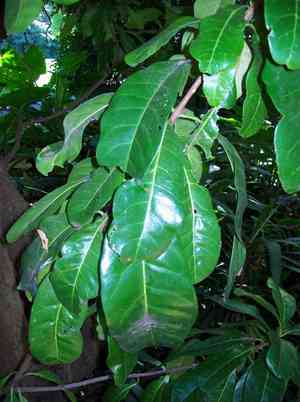
The ideal period for relocating lalaha is during nature's revival, spanning from early spring's emergence to the full bloom of late spring. Select a site featuring soil that drains effectively and receives filtered sunlight. Exercise caution; lalaha flourishes when handled delicately and with minimal disruption to its root system.
What Preparations are Needed Before Transplanting Lalaha?
What is the Ideal Time for Transplanting Lalaha?
The optimal period for relocating lalaha spans from early spring to the beginning of summer. This timing aligns with the plant's natural growth cycle, providing the gentle warmth and increasing daylight necessary for establishment. This window allows lalaha to get a head start, ensures root development prior to summer's heat, and utilizes spring moisture, thereby minimizing transplant stress and promoting a robust, healthy plant. Choosing this timeframe offers lalaha the best chance to flourish and enhance your garden.
How Much Space Should You Leave Between Lalaha Plants?
Hello! Before moving your lalaha to its new spot, you'll want to plan for adequate spacing between them. Aim to position them approximately 20-30 ft (6-9 m) apart to guarantee they have sufficient room to thrive and reach their full size.
What is the Best Soil Mix for Lalaha Transplanting?
To prepare the ground for your lalaha, you'll need soil that drains effectively and is abundant in organic material. A suitable blend would be loamy soil. Prior to planting, enrich the soil with a balanced, slow-release fertilizer to give your lalaha a healthy start.
Where Should You Relocate Your Lalaha?
Your lalaha thrives in sunlight, much like we enjoy a sunny day at the beach! Select a location in your garden where it can receive full sun to partial shade. Ensuring it gets its daily dose of light will result in a happy, flourishing lalaha.
What Equipments Should You Prepare Before Transplantation Lalaha?
Shovel or Spade
For excavating the lalaha plant and creating a new planting site.
Gardening Gloves
To safeguard your hands while handling soil and the plant.
Watering Can or Hose
To hydrate the plant before and after its relocation.
Wheelbarrow or Garden Cart
To move the lalaha plant and soil if required.
Pruning Shears
To trim any damaged or excessively long roots.
Stakes and Ties
To provide support for the lalaha plant in its new position if needed.
Mulch
To aid in retaining soil moisture and suppressing weeds around the newly transplanted lalaha.
How Do You Remove Lalaha from the Soil?
How Do You Remove Lalaha from the Soil?
From Ground: First, moisten the lalaha plant to soften the soil. Dig a wide trench around the plant using a shovel or spade, being careful not to harm the root ball. Gently work beneath the root ball and carefully lift the lalaha plant from the ground.From Pot: Hydrate the lalaha to loosen the soil. Turn the pot on its side, grasp the plant at its base, and tap the pot to release the lalaha along with the root ball. Carefully slide the plant out.From Seedling Tray: Dampen the soil in the tray. Use a spoon or a small tool to gently lift the seedling out, ensuring the root system remains intact.
Step-by-Step Guide for Transplanting Lalaha
Preparation
Identify the ideal spot in your garden where the lalaha plant will flourish. Ensure the transplanting area is free of weeds and debris, and that the soil has been prepared as detailed elsewhere in this guide. Also, thoroughly water your lalaha a few hours before beginning the transplant to minimize stress. Have all necessary tools ready to avoid interruptions during the process.
Removal
Following the instructions in the 'removal process' section, carefully extract the lalaha plant from its original location. Be sure to preserve as much of the root ball as possible to lessen shock and maximize the chances of successful transplantation.
Transplant Hole
Excavate a hole in the prepared area that is twice the width of the root ball, but no deeper. Digging too deep might cause the lalaha plant to settle lower than desired over time. The wider hole facilitates easy root expansion into the surrounding soil.
Placement
Position the lalaha in the center of the hole at the same depth it was previously growing. This is crucial to prevent stem rot or stunted growth. Backfill the hole with soil, gently firming it around the root ball to eliminate air pockets.
Staking
If your lalaha requires additional support, insert stakes into the ground and gently secure the plant to them. Be careful not to tie the materials too tightly, as this can cause damage to the plant.
Watering Immediately
Once the lalaha is in place, water it generously to settle the soil around the roots and help reduce transplant shock. Ensuring good soil-to-root contact is essential.
Mulching
Apply a layer of mulch around the base of the lalaha plant to help retain moisture and regulate soil temperature. Keep the mulch a few inches away from the stem to prevent moisture buildup that can lead to decay.
Observation
Over the next few days, closely monitor your lalaha to observe its adjustment to the new environment. Look for signs of stress such as wilting or discolored leaves.
How Do You Care For Lalaha After Transplanting?
Stabilization Support
If your lalaha is tall or top-heavy, ensure the stakes are firmly in place until the plant can support itself independently.
Regular Watering
Maintain a consistent watering schedule to aid the lalaha in establishing itself. Water deeply to encourage robust root growth, but allow the soil to dry slightly between waterings to prevent over-saturation.
Monitoring Growth
Observe for new growth as an indication that the lalaha is adapting well. A lack of new growth or visible decline may necessitate adjusting care or seeking advice from a local nursery.
Protection from Elements
Shield your lalaha from harsh conditions such as strong winds or unusually high temperatures during its initial establishment phase. Providing temporary shade or a windbreak can be beneficial.
Troubleshooting Common Issues with Lalaha Transplantation.
What's the best timing for transplanting lalaha?
For optimal growth, move lalaha from early to late spring, utilizing the mild temperatures for root establishment.
How far apart should lalaha be spaced when transplanting?
Space lalaha at least 20-30 feet (6-9 meters) apart to provide each plant ample room to mature.
Why is my lalaha wilting after transplanting?
Wilting may indicate transplant shock. Ensure careful handling, sufficient watering, and initial protection from intense sun.
How deep should I dig the hole for lalaha's roots?
Excavate a hole that's twice as wide and the same depth as lalaha's root ball for optimal growth.
Can I transplant lalaha in the summer?
It's preferable to transplant in spring to avoid heat stress. If necessary, provide extra water and shade in summer.
How much should I water lalaha after transplanting?
Water thoroughly after transplanting, then maintain consistent moisture without waterlogging the soil, promoting strong roots.
What kind of soil is best for transplanting lalaha?
Prefer well-draining soil, rich in organic matter. Adjust soil composition before transplanting if needed for best performance.
Should I fertilize lalaha immediately after transplanting?
Wait a few weeks before fertilizing lalaha to allow the roots to settle, then use a balanced fertilizer sparingly.
How do I protect lalaha from pests after transplanting?
Regularly check for pests, use non-invasive treatments if required, and maintain plant health to reduce vulnerability.
My lalaha looks stunted after transplanting, what should I do?
Ensure lalaha isn't root-bound, receives adequate sunlight, and is not over or under-watered. Proper care typically resolves stunting.



