How to Prune Lalaha?
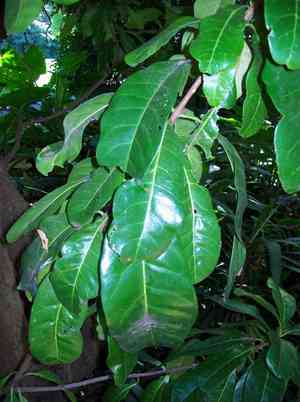
This variety, recognized for its palatable produce and lustrous foliage, thrives with trimming in winter, its inactive phase. Strategic cuts improve light access and air movement, fostering robust development. Eliminate deceased, ailing, or crossing limbs to preserve its form. Trimming lalaha stimulates blooming and fruit yield, concurrently affecting the plant's dimensions and contour. Yearly pruning is adequate, guaranteeing lalaha's vitality and visual charm.
What Are the Benefits of Pruning Lalaha?
What Are the Benefits of Pruning Lalaha?
Trimming lalaha encourages robust development, fostering a strong and thriving plant. It also aids in preserving its intended form and dimensions, enhancing the plant's visual appeal and ensuring it fits well within garden space allocations.
What Is the Best Time for Pruning Lalaha?
What Is the Best Time for Pruning Lalaha?
Late winter is the optimal period for trimming lalaha as it precedes the commencement of the spring growth surge. This timing leverages the plant's dormant phase when sap flow is diminished, minimizing stress and the likelihood of disease infection at cut sites. Pruning at this stage also allows for the removal of any frost damage that might have occurred during the winter, which helps in maintaining the overall health of lalaha. Since lalaha does not have any specific flowering or fruiting cycles that are crucial for determining pruning times, late winter pruning ensures the plant will have a robust start to its growing season, as it can quickly heal and put out new growth when warmer temperatures arrive.
What Tools Do I Need to Prune Lalaha?
Hand Pruners
Perfect for making precise cuts on lalaha's smaller branches, hand pruners facilitate a clean cut which promotes healthy regrowth.
Loppers
Equipped with long handles, loppers provide extra leverage needed for cutting through lalaha's thicker, more mature branches, typically up to 2 inches in diameter.
Pruning Saws
For branches that are too thick for hand pruners or loppers, a pruning saw is necessary. Its sharp, serrated blade allows for efficient cutting of lalaha's larger branches.
Hedge Shears
If shaping lalaha into hedges or specific forms, hedge shears are useful for trimming and shaping the foliage with uniformity.
Pole Pruners
For hard-to-reach branches of lalaha, pole pruners (or pole saws) offer extended reach without the need for a ladder, ensuring safe pruning practices.
How to Prune Lalaha
Clean tools
Before beginning, sterilize pruning tools using alcohol or a bleach solution to prevent the spread of disease to lalaha.
Inspect
Examine lalaha closely to identify all dead or diseased branches that require removal, assessing the plant from different angles for thoroughness.
Cut dead
Using proper pruning shears, make clean cuts to remove dead branches at the point where they meet healthy wood, ensuring cuts are angled to prevent water accumulation.
Remove diseased
Carefully excise diseased branches from lalaha, cutting well into the healthy tissue to eliminate all infected material, and dispose of them securely to prevent contamination.
Final check
Perform a final check to confirm all compromised branches are removed and make any necessary additional cuts for a clean, healthy appearance of lalaha.
Common Pruning Mistakes with Lalaha
Overpruning
Removing too much foliage from lalaha can stress the plant, lead to stunted growth or reduced flowering. Aim to prune no more than one-third of the plant at a time.
Improper cut location
Cutting either too close or too far from the node can result in unhealthy regrowth or damage to lalaha. Cuts should be made just above leaf nodes at a 45-degree angle.
Using dull tools
Dull pruning tools may result in jagged cuts that can harm lalaha and expose it to disease. Always use sharp, clean tools to make precise cuts.
Ignoring disease prevention
Failing to sterilize tools between cuts, especially when dealing with diseased parts of lalaha, can spread pathogens. Sterilize tools with alcohol or a bleach solution between cuts.
Neglecting to prune
Avoiding pruning entirely can lead to a dense canopy in lalaha, which can reduce air circulation and light penetration, potentially affecting plant health.
Pruning without a plan
Lalaha requires thoughtful pruning. Cutting without a clear idea of the desired shape or health objective can lead to undesirable results.
Common Pruning Tips for Lalaha
Selective pruning
Focus on removing only dead, diseased, or crossing branches to maintain lalaha's natural shape and promote better air circulation and light exposure.
Thinning cuts
Utilize thinning cuts by removing entire branches or stems at their origin to open up lalaha and encourage new growth without stimulating excessive new branching.
Heading cuts
In areas where you want to encourage branching, make heading cuts on lalaha just above a node or lateral bud. This stimulates growth of side branches, which can result in a fuller plant.
Clean cut surface
Ensure that the cut surfaces are clean and smooth to promote quicker healing in lalaha and reduce the risk of disease entering the pruning wounds.
Hydrozone consideration
After pruning lalaha, adjust watering as necessary since the reduced plant mass may require less water, reducing the risk of overwatering.
Post-prune care
After pruning, provide lalaha with proper care, including adequate water and light, to support recovery and new growth.



